Evening snack shoppers
If you want a packaged bar with a TV dinner, the amount in one bar matters for the portion you eat. The per-100-g figure answers a different question: whether the product meets a low-fat claim condition.


For a cereal bar alongside a TV dinner, distinguish a fat claim from a small serving: under the UK nutrition-claims conditions published on legislation.gov.uk, a solid food labelled ‘low fat’ must have no more than 3 g fat per 100 g, while ‘reduced fat’ requires at least 30% less fat than a similar product. Compare fat both per 100 g and per bar, then check saturated fat, sugars and calories. Kellogg’s UK lists 1.7 g fat per 27 g Special K Red Berry Bar but 6.3 g per 100 g, so that example does not meet the low-fat condition.
If you want a packaged bar with a TV dinner, the amount in one bar matters for the portion you eat. The per-100-g figure answers a different question: whether the product meets a low-fat claim condition.
Oat, fruit, chocolate, nut and protein bars can differ in their declared fat, saturated fat, sugars and calories. Compare the exact flavours rather than relying on the type of bar.
Check the current ingredients and any ‘may contain’ statement for the exact bar. Relevant ingredients across cereal-bar ranges include wheat, barley, oats, milk, soya, peanuts and tree nuts.
Start with the fat claim you need the bar to meet, then compare the portion you would actually eat and the rest of its label.
| Priority | What to check | Your needs |
|---|---|---|
| Fat claim | For a solid food labelled ‘low fat’, check for no more than 3 g fat per 100 g. For ‘reduced fat’, check the similar product used for comparison and a reduction of at least 30%. These are UK nutrition-claims conditions published on legislation.gov.uk. | ‘I want a bar that meets a defined fat claim, not one that merely sounds lighter.’ |
| Serving size | Read the stated weight and fat per bar as well as per 100 g. Check how many wrapped bars you intend to eat. | ‘One bar is the portion I am considering alongside dinner; its serving figures help me compare that choice.’ |
| Other label figures | Compare saturated fat, sugars and calories alongside total fat. Where present, traffic-light labels show high, medium or low amounts of fat, saturated fat, sugars and salt, according to GOV.UK. | ‘A lower fat figure alone does not tell me what the rest of the bar’s label says.’ |
| Bar type | Check the exact nutrition declaration for oat, nut, chocolate and protein variants. Ingredient or protein wording does not establish a reduced-fat claim. | ‘I may prefer a particular flavour or format, but I still want to compare its fat declaration.’ |
| Ingredients | Read the current ingredient list and any precautionary allergen statement for the exact flavour, particularly when choosing a multipack for someone else. | ‘An ingredient or allergen can rule out a bar for me regardless of its fat figures.’ |
A small bar can have little fat per serving yet exceed the UK low-fat limit of 3 g per 100 g. Kellogg’s UK lists its Special K Red Berry Bar at 1.7 g fat per 27 g bar and 6.3 g per 100 g.
If a low-fat claim matters to you, use the exact product’s per-100-g declaration; use the per-bar figure to assess the portion instead.
In its 2025 review of supermarket snack bars, Action on Salt & Sugar reported that 37% would be high in sugars and 55% high in saturated fat under UK traffic-light thresholds. These figures describe products in that review, not shoppers’ preferences.
Compare saturated fat and sugars alongside total fat and calories on the bars you are considering.
Protein, wholegrain, vegan and gluten-free wording describes other attributes. It does not tell you whether a bar meets a reduced-fat condition.
Use those descriptors to choose a type of bar, then check the fat declaration and any comparison behind a reduced-fat claim.
Ingredients and allergen information matter independently of the nutrition figures. Cereal-bar examples include products containing cereals with gluten, milk, soya, peanuts or tree nuts.
Read the current pack’s ingredients and any ‘may contain’ statement for the flavour you plan to buy.
These brand examples describe particular bars or ranges, not a reduced-fat classification for every product they make.
Kellogg’s UK describes its Red Berry Bar as a cereal bar with cranberry pieces and a yoghurt-flavour topping.
Nature Valley UK lists Crunchy oat bars alongside protein and other bar varieties.
Waitrose & Partners lists Graze Cocoa Vanilla Oat Boosts as wholegrain oat flapjacks with cocoa, chocolate and vanilla flavouring.
Eat Natural UK lists fruit-and-nut and protein cereal bars, including a dark chocolate and peanut protein bar.
Tesco lists TREK Smooth Lemon Protein Flapjack as a plant-protein bar described as vegan and gluten free.
These cereal and protein bars offer different formats for an evening snack. Their inclusion does not make them low-fat or reduced-fat choices; check the current nutrition and ingredient labels against your priorities.
 No image available
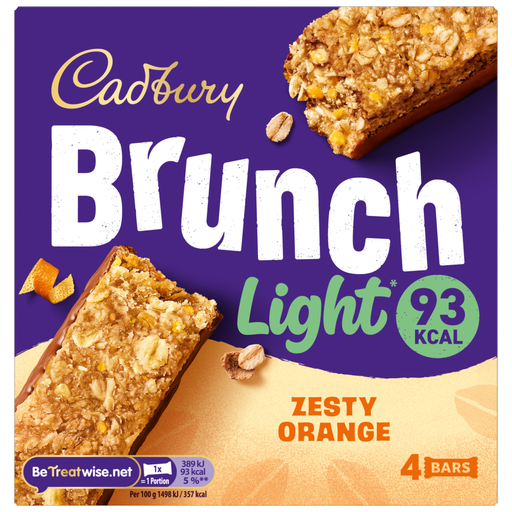
If you are considering one bar alongside dinner, compare its per-bar figures with its per-100-g declaration. This is a four-pack with a stated total weight of 104 g; ‘Light’ in the name is not a substitute for checking the fat claim and nutrition panel.
 No image available
The six individually sized bars provide a defined portion to consider with a TV dinner. Check this 21.5 g variant’s own per-bar and per-100-g labels; figures for a different Red Berry Bar pack should not be assumed to apply.
 No image available
If you prefer a chocolate-flavour bar for an evening snack, compare its fat, saturated fat and sugars with other bars of interest. The pack contains six 21.5 g bars; the portion size alone does not establish a low-fat claim.
 No image available
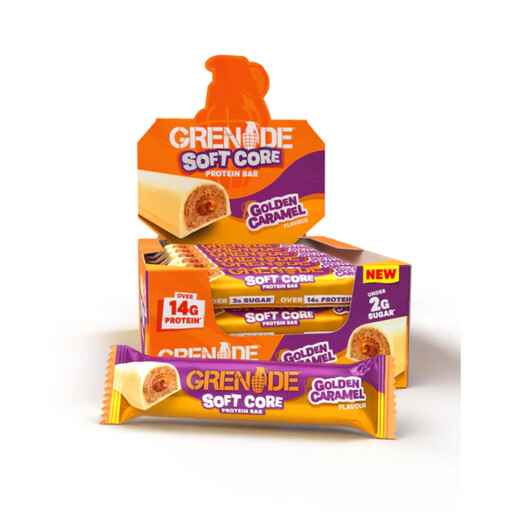
This protein-bar format is an alternative to a conventional cereal bar if that is the type of snack you want. The pack contains twelve 50 g bars; check the fat declaration and ingredients rather than treating protein wording as a reduced-fat claim.
 No image available
If this protein-bar format appeals more than a cereal bar, assess it against your fat requirement separately. The pack contains four 60 g bars; the protein and sugar wording in its name does not establish a low-fat or reduced-fat claim.
A solid food making a ‘low fat’ claim must contain no more than 3 g fat per 100 g under the UK nutrition-claims conditions published on legislation.gov.uk. Check the exact bar’s per-100-g declaration, not just its figure per serving.
No. Under the UK nutrition-claims conditions published on legislation.gov.uk, a reduced-fat claim requires at least 30% less fat than a similar product; it does not itself mean the bar meets the separate 3 g-per-100-g low-fat limit. Check the comparison behind the claim and the bar’s own fat declaration.
Use fat per bar to assess the portion you plan to eat, but use per-100-g figures to compare bars of different sizes and to assess a low-fat claim. Check saturated fat, sugars and calories too; GOV.UK explains that traffic-light labels, where present, describe amounts of fat, saturated fat, sugars and salt.
No. Oat and protein descriptions identify other product attributes, not a reduced-fat comparison. Check the nutrition declaration for the exact flavour and, if it makes a reduced-fat claim, the similar product used as its comparison.
Read the current ingredients and any precautionary ‘may contain’ statement for the exact bar. Cereal and protein-bar examples contain or may contain ingredients such as cereals with gluten, milk, soya, peanuts and tree nuts; do not assume that another flavour has the same recipe.