Hosts looking for a fruit-only nibble
If keeping total fat low is the priority, compare dried-fruit labels per 100g and check whether a mix includes nuts. A fruit-and-nut product is a different choice from a bowl of raisins or other dried fruit.


Do not rely on a “reduced-fat” claim alone: the plain dried-fruit products reviewed for this garden-party choice have low fat figures, while a fruit-and-nut mix has a much higher one. Compare fat per 100g on the packs you are considering, then check sweetening ingredients, allergen information and how you plan to serve the fruit.
If keeping total fat low is the priority, compare dried-fruit labels per 100g and check whether a mix includes nuts. A fruit-and-nut product is a different choice from a bowl of raisins or other dried fruit.
Check each current pack for ingredients, allergens and “may contain” warnings before putting fruit on a shared table. Keep the packaging where guests can consult it.
Plain fruit, sweetened berries and juice-infused fruit offer different ingredient lists. Choose the flavour you want separately from the fat figure, and check sugars per 100g when comparing packs.
Start with the type of platter you want, then compare nutrition panels on the same per-100g basis and read the ingredients and warnings before serving.
Choose when: You want a fruit-only bowl or an ingredient for party food, with total fat as a key consideration.
Bear in mind: A low fat figure does not tell you the product’s sugar content or whether its warnings suit every guest.
Choose when: You want that style of fruit for a dessert spread and are happy with its listed ingredients.
Bear in mind: Sugar or juice concentrate can appear in products that are also low in fat.
Choose when: Nuts are an intentional part of the menu and guests can check the allergen information.
Bear in mind: Nuts change both the fat figure and the allergen considerations; do not treat the mix as interchangeable with fruit-only dried fruit.
| Priority | What to check | Your needs |
|---|---|---|
| Total fat | Compare fat per 100g, not just front-of-pack wording. Check the ingredients to distinguish fruit-only products from mixes containing nuts. | I want dried fruit that fits a low-fat party spread, rather than choosing a fruit-and-nut mix by mistake. |
| Sweetening | Read the ingredients for added sugar or juice concentrate, then compare sugars per 100g on the nutrition panels. | For a dessert platter, I might choose a sweeter fruit product deliberately; otherwise, I would prefer a shorter ingredient list. |
| Allergens | Check the current pack for declared allergens and “may contain” warnings. Keep its label available alongside the serving dish. | Guests need to be able to check whether sulphites, nuts or other listed allergens affect their choice. |
| Serving | Check the pack’s serving and safety information. The NHS uses 30g of dried fruit as one 5 A Day portion and advises eating it at mealtimes rather than between meals to reduce tooth-decay risk. | I can put out smaller amounts with the party food and top them up, instead of leaving a large bowl for repeated grazing. |
ASDA Groceries lists sugar among the ingredients of Forest Feast Berries & Cherries. Sainsbury's lists apple juice concentrate in BEAR dried cherries, which declare 77g sugars per 100g.
Compare the ingredients and sugars per 100g as well as fat. Pick a sweetened product for its intended flavour, not because a low fat figure implies anything about sugar.
The Joybuy listing for BE&CHEERY Mixed Nuts and Dried Fruits declares 58.9g fat per 100g and lists walnuts, cashews, almonds and pecans as allergens.
If the brief is low-fat dried fruit, check that the mix does not contain nuts. If you serve nuts separately, keep their allergen information clear to guests.
ASDA Groceries lists sulphites and possible peanut and nut contact for its Three Raisin Mix; ingredient and warning details can differ between dried-fruit products.
Keep each current pack beside or near its serving dish, and use separate utensils so guests can identify what is being offered.
The NHS says 30g of dried fruit counts as one 5 A Day portion and advises eating dried fruit at mealtimes rather than between meals to reduce tooth-decay risk.
Serve smaller bowls with the main food and replenish them as needed.
These examples show why the particular product label matters more than a brand name when choosing fruit for a garden party.
Whitworths Fantastic Flame Raisins are a raisin option for a sharing bowl or party recipe.
Tesco Dried Mango is a different fruit format for a platter.
Sainsbury's lists BEAR Fruit Dried Cherries for a cherry option.
ASDA lists both Seedless Raisins and a Three Raisin Mix; check which pack suits the guests you are serving.
M&S Mixed Dried Fruit combines sultanas, raisins and currants for a baking ingredient or sharing bowl.
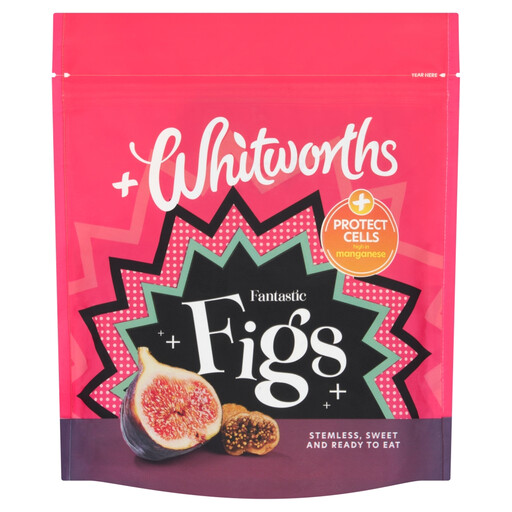
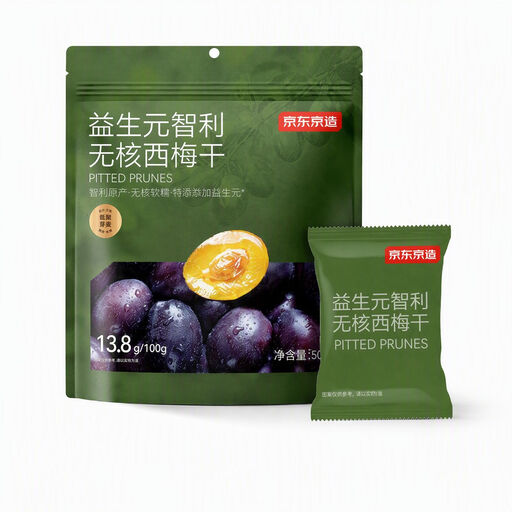
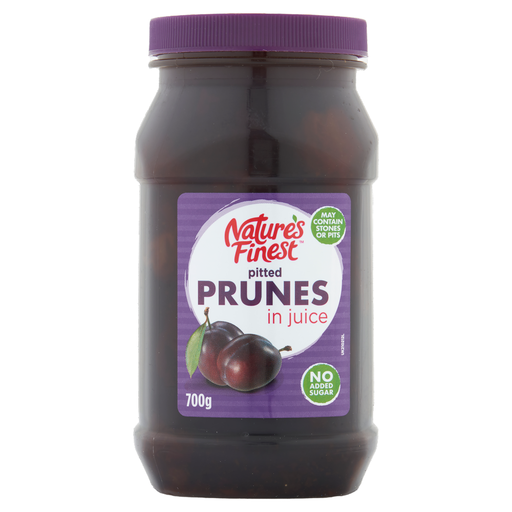
These Joybuy options cover figs and two styles of pitted prunes for a garden-party fruit platter. Compare their current labels and serving formats against the checks above.
 No image available
Figs are an alternative to raisins for a dried-fruit platter. Check the current pack for its nut and peanut handling warning before serving guests with allergies.
 No image available
Individual wrappers offer a way to set out the pitted prunes for guests to take. The product information lists low-polymer isomaltose; check the current ingredients if you want to avoid added sweeteners.
 No image available
Consider these pitted prunes for a served dessert dish rather than assuming they will suit a dry finger-food platter. They are packed in juice from concentrate; check the current pack’s ingredients and warning about possible stone fragments.
Compare the fat figure per 100g instead of using the claim as your main filter. The reviewed plain fruit products include M&S Mixed Dried Fruit at 0.4g and ASDA Seedless Raisins at 1.2g fat per 100g; the reviewed Joybuy BE&CHEERY fruit-and-nut mix declares 58.9g per 100g. Check that you are comparing fruit-only products with the kind of mix you actually want to serve.
Read the ingredients list rather than relying on a low fat figure. ASDA Groceries lists sugar in components of Forest Feast Berries & Cherries, while Sainsbury's lists apple juice concentrate in BEAR dried cherries. Compare sugars per 100g as a separate check.
The NHS uses 30g of dried fruit as one 5 A Day portion and advises eating dried fruit at mealtimes rather than between meals to reduce tooth-decay risk. For a party, you can set out smaller amounts with the main food and replenish them as needed.
Check every current pack for ingredients and “may contain” warnings. ASDA Three Raisin Mix declares sulphites and possible peanut and nut contact, while the reviewed Joybuy BE&CHEERY fruit-and-nut mix lists several tree nuts. Keep products identifiable and their packaging available to guests.
Yes, keep them available while you serve the fruit so guests can check the current ingredients, allergen declarations and safety warnings. This is particularly useful when several products are placed on the same table.