For an office packed lunch, a special reduced-fat variety need not be the deciding factor: the plain raisin and dried-fruit examples listed by Sainsbury’s and Marks & Spencer are already low in fat, but their sugar content and portion sizes differ. Compare fat and sugars on the same label basis, then choose a pack size and ingredient list that suit your lunch; the NHS advises having dried fruit at mealtimes rather than grazing on it between meals.
Who is this choice for?
Office workers looking at fat content
If you want dried fruit alongside lunch rather than a higher-fat snack, compare the product’s fat declaration with its sugars, ingredients and pack size. A reduced-fat phrase alone does not answer all of those questions.
People planning a defined lunch portion
Individual raisin packs give you a stated amount to put in your lunch bag. A larger bag offers a different format, but you will need to portion out what you intend to take.
Shoppers checking ingredients or allergens
Plain fruit and mixed-fruit products can have different ingredients. Check the exact pack for candied components, sulphites and any relevant nut or peanut warning.
What should you compare?
Start with the amount you would actually pack, then read fat and sugars on the same basis before checking the ingredients. GOV.UK notes that traffic-light labelling can help compare fat and sugar content across foods at a glance.
| Priority | What to check | Your needs |
|---|
| Fat content |
Read fat per 100g, then check the amount in the portion you plan to pack. Compare like with like rather than relying on a reduced-fat phrase. |
I’m choosing dried fruit partly for its fat content, so I want to know what the actual product and my lunch portion contain. |
| Sugars and meal timing |
Check sugars per 100g and per pack or serving separately from fat. The NHS advises limiting dried fruit to mealtimes because it contains free sugars. |
A low-fat label would not tell me how much sugar is in my portion. I’d pack the fruit with lunch rather than keep eating it at my desk. |
| Portion format |
Look at the weight of an individual pack or the stated serving for a larger bag. Check whether you will need a separate container. |
A ready-portioned pack is easier for me to add to lunch; with a larger bag, I can measure out the amount I want beforehand. |
| Ingredients and allergens |
Read the ingredient list for candied fruit, syrup-derived ingredients or added oils. Check the physical pack for sulphites and product-specific allergen warnings. |
If an ingredient or allergen matters to me, I need the declaration for this particular fruit or mix, not an assumption based on its name. |
Common buying mistakes
-
Making “reduced fat” the only test
Sainsbury’s mini raisins and Marks & Spencer Mixed Dried Fruit both list small amounts of fat, yet their pack formats, sugars and ingredients differ.
Compare the nutrition declarations on a consistent per-100g basis, then check the portion you will put in your lunch.
-
Assuming low fat also means low sugar
Sainsbury’s lists less than 0.5g fat and 9.7g sugars in a 14g mini raisin pack. A fat figure cannot stand in for the sugars figure.
Read both lines of the label. If you pack dried fruit, the NHS advises having it with a meal rather than repeatedly eating it between meals.
-
Treating every fruit mix as plain fruit
Sainsbury’s Mixed Dried Fruit includes candied peel made with glucose-fructose syrup; Marks & Spencer Orchard Fruits Medley lists sulphites and carries nut- and peanut-suitability warnings.
Check the ingredients and allergen information on the specific pack before choosing a mix.
-
Taking an open bag to the desk without a portion
Unlike an individual pack with a stated weight, a larger bag does not define how much you will eat at lunch.
Put the amount you intend to take into a separate container before packing your lunch.
Brand and retailer references
These examples show why the label on a particular product matters more than a general impression of its brand or fruit type.
Whitworths
The Whitworths Sunny Raisin listing at Sainsbury’s describes a multipack of 30g portions.
- The listing gives 1g fat per 100g, making it possible to compare fat on a per-100g basis.
- It also gives 62.6g sugars per 100g; check the sugars line separately from fat.
Sainsbury’s
Its listed dried-fruit formats include 14g mini raisin packs and a larger mixed-fruit bag.
- The mini raisin listing states less than 0.5g fat and 9.7g sugars per 14g pack.
- The Mixed Dried Fruit listing includes candied peel made with glucose-fructose syrup and states 20.3g sugars per 30g serving.
Tesco
Tesco Groceries lists several dried-fruit types, including dates, prunes, mango, raisins and sultanas.
- The range lets you consider different fruit types and pack formats for lunch.
- Use the individual product’s nutrition and ingredient label when comparing fat, sugars or allergens.
M&S
Marks & Spencer lists both Mixed Dried Fruit and Orchard Fruits Medley, with different ingredients and nutrition declarations.
- Their listings state 0.4g and 0.5g fat per 100g respectively.
- Orchard Fruits Medley lists sulphites and carries nut- and peanut-suitability warnings; check its pack if these affect your choice.
Dried fruit options on Joybuy
These options include portion-sized raisins and mango, plus larger formats of prunes, figs and red dates. Use the pack size and the individual product label to decide what fits your office lunch.
 No image available
Organix Goodies Raisins 12+ Months, 12 x 14g
The listed 12 x 14g format gives you a defined pack size for lunch. Check the nutrition declaration for each pack as well as per 100g when comparing raisins.
View on Joybuy
 No image available
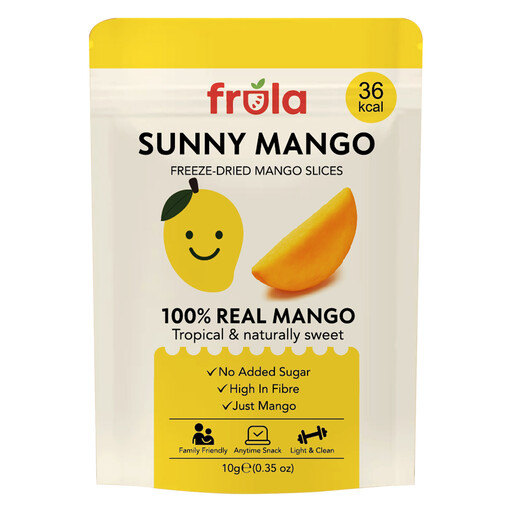
Frula Freeze Dried Mango 10g
The 10g pack is a defined amount to add to a packed lunch. Compare its fat and sugars declaration with other fruit using the same per-100g basis, as pack sizes differ.
View on Joybuy
 No image available
J.ZAO Prebiotic Pitted Chilean Prunes 500g
The 500g format calls for a decision about how much to pack for one lunch. Read the current ingredients and sugars declaration rather than assuming that wording on the front describes every ingredient.
View on Joybuy
 No image available
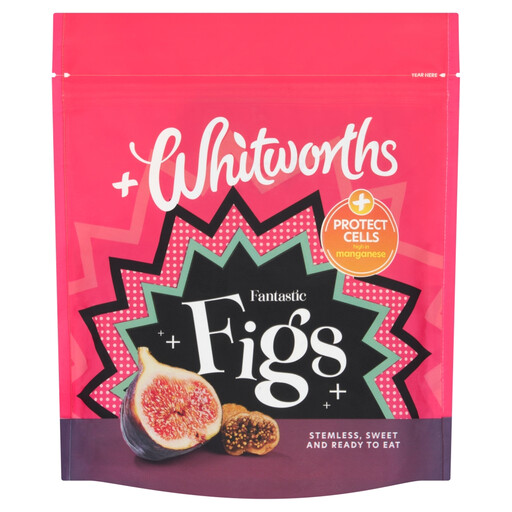
Whitworths Figs 175g
The 175g pack can be portioned into a smaller container for lunch. If nuts or peanuts are relevant to you, check the pack’s allergen and handling information.
View on Joybuy
 No image available
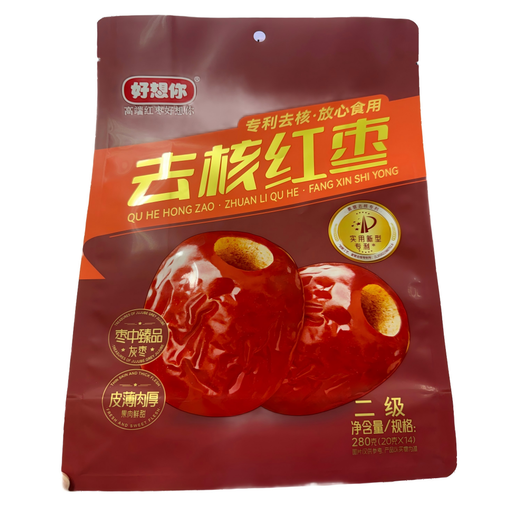
Haoxiangni Grade 2 Fresh-Locked Pitted Red Dates, Original Flavour, 280g
For a lunch portion from this 280g pack, separate the amount you intend to take. Check its fat, sugars and ingredients on the product label before comparing it with raisins or other dried fruit.
View on Joybuy
Questions about dried fruit for lunch
Do I need a special reduced-fat dried fruit?
Not necessarily for an office lunch. Sainsbury’s mini raisins list less than 0.5g fat per 14g pack, while Marks & Spencer Mixed Dried Fruit lists 0.4g per 100g. Check fat on the exact product and a comparable basis, then consider its sugars, ingredients and the amount you will pack.
Does low fat mean low sugar?
No. Sainsbury’s lists less than 0.5g fat but 9.7g sugars in a 14g mini raisin pack. Read the two figures separately, taking care not to compare one product’s per-pack value with another product’s per-100g value.
Should I keep dried fruit at my desk for grazing?
The NHS advises limiting dried fruit to mealtimes because it contains free sugars. If it is part of your office packed lunch, put a defined amount with that meal rather than repeatedly eating from a bag between meals.
What should I check on a mixed-fruit pack?
Read its ingredients and allergen information, as well as fat and sugars. Sainsbury’s Mixed Dried Fruit includes candied peel made with glucose-fructose syrup, while Marks & Spencer Orchard Fruits Medley lists sulphites and carries nut- and peanut-suitability warnings; those details cannot be assumed for every mix.


