For a mid-morning snack between meals, choose fresh fruit rather than dried fruit: NHS guidance says to keep dried fruit to mealtimes to reduce the risk of tooth decay. If you want dried fruit with breakfast or lunch, compare the exact product’s ingredients, sugars, portion size and allergens alongside its fat value.
Who is this choice for?
Between-meal fruit snack shoppers
If you are looking for a mid-morning fruit snack with little fat, the eating occasion matters more than a dried-fruit fat value. The NHS advises eating dried fruit at mealtimes, not between meals; fresh fruit is an alternative for your snack.
People adding dried fruit to meals
Raisins or other dried fruit can be planned as part of breakfast or lunch. Check the portion, sugars and ingredients on the product you intend to use rather than choosing by a reduced-fat description alone.
Shoppers checking allergens
If sulphites or nuts are a concern in your household, read the label of each product. The Food Standards Agency notes that sulphur dioxide and sulphites are often used in dried fruit, while fruit-and-nut mixes require a separate nut-allergen check.
What should you check?
Decide whether the fruit is for a between-meal snack or part of a meal before comparing packs. For dried fruit at mealtimes, use the exact label to compare portions and ingredients.
Fresh fruit between meals
Choose when: you want fruit as a standalone mid-morning snack.
Bear in mind: check the preparation and storage needs of the fruit you choose.
Dried fruit with a meal
Choose when: you plan to add it to breakfast, lunch or another meal, in line with NHS guidance on timing.
Bear in mind: a small fat value does not tell you the sugars in your portion; Tesco lists 18.8g sugars per 30g of its Seedless Raisins.
| Priority |
What to check |
Your needs |
| Eating occasion |
Check whether you will eat the fruit between meals or with a meal. The NHS advises keeping dried fruit to mealtimes to reduce tooth-decay risk. |
I want fruit mid-morning without making dried fruit a standalone between-meal snack. |
| Nutrition and ingredients |
Compare fat and sugars on the same per-100g or per-serving basis, then read the ingredients. For example, Sainsbury’s lists apple juice concentrate in BEAR dried cherries infused with apple juice. |
A small fat value alone will not tell me how much sugar is in my serving or what else is in the product. |
| Portion format |
Look at the pack size and stated serving. The NHS says 30g of dried fruit counts as one 5 A Day portion; a smaller pack may contain a different amount. |
For dried fruit with breakfast or lunch, I want to know how much I am adding, whether I use a larger bag or an individual pack. |
| Allergens and storage |
Read the current label for sulphites and any nuts. Follow the storage instructions for the particular fruit product, especially after opening. |
I need ingredients and handling instructions that suit my household, rather than assuming every dried-fruit format is alike. |
What is easy to overlook?
-
Choosing dried fruit by fat value alone
A small fat value does not settle whether dried fruit suits a mid-morning snack. The NHS advises eating dried fruit at mealtimes, not between meals, to reduce tooth-decay risk.
Choose fresh fruit for a between-meal fruit snack. If buying dried fruit for a meal, compare its serving size, sugars and ingredients as well as fat.
-
Assuming every fruit snack is plain dried fruit
Ingredients vary across fruit snacks. Sainsbury’s lists apple juice concentrate in its BEAR dried cherries, while M&S lists chocolate-coated raisins among its fruit snacks.
Read the ingredient list before comparing nutrition panels, and check that you are comparing the type of fruit product you intend to buy.
-
Buying a large bag without planning servings
A large pack does not divide itself into the amount you intend to use. The NHS defines 30g of dried fruit as one 5 A Day portion, while Tesco’s Seedless Raisins are sold in a 1kg bag.
Measure the amount you plan to add to a meal, or check the quantity in an individual pack. Portion packaging does not change the NHS advice on when to eat dried fruit.
-
Overlooking sulphites or nuts
The Food Standards Agency says sulphur dioxide and sulphites are often used in dried fruit and notes a higher risk of reaction for people with asthma. Fruit-and-nut mixes also need a nut-allergen check.
If either allergen matters to you, check the current label of the exact pack rather than relying on another product in the range.
Which brands offer relevant examples?
These brand examples show why the exact product matters; a brand’s wider fruit-snack range need not share one ingredient list or nutrition profile.
Tesco
Tesco Seedless Raisins come in a 1kg pack that can be portioned for cooking or meals.
- Tesco lists raisins and sunflower oil as ingredients, with 0.3g fat and 18.8g sugars per stated 30g serving.
- The large pack requires you to measure the amount you use; it does not change NHS advice to eat dried fruit at mealtimes.
Whitworths
Whitworths offers Sunny Raisins in individual 14g boxes alongside other raisin formats.
- Whitworths lists raisins (99%) and sunflower oil in Sunny Raisins, with 0.1g fat and 9.3g sugars per 14g box.
- An individual box makes its quantity clear but does not make dried raisins a between-meal choice under NHS guidance.
M&S
M&S sells plain raisins as well as other fruit snacks, including coated products.
- Its plain Raisins list raisins and sunflower oil, with 0.4g fat and 69.3g sugars per 100g.
- Do not apply the plain-raisin values to coated fruit or other products in the range; check each label.
Sainsbury’s
Sainsbury’s carries dried-fruit products with different ingredient lists, including dried mango and juice-infused cherries.
- Its listing for BEAR dried mango states 0.6g fat and 57g sugars per 100g.
- Its BEAR dried cherries list apple juice concentrate among the ingredients and 77g sugars per 100g. Check which product you are comparing.
Fruit options on Joybuy
These options include small packs of dried fruit for planned mealtime use and a blueberry product to consider when choosing fruit for mid-morning. For a between-meal snack, keep the NHS advice on dried fruit’s mealtime timing in mind; check how the blueberries are stored and prepared before choosing them for that occasion.
 No image available
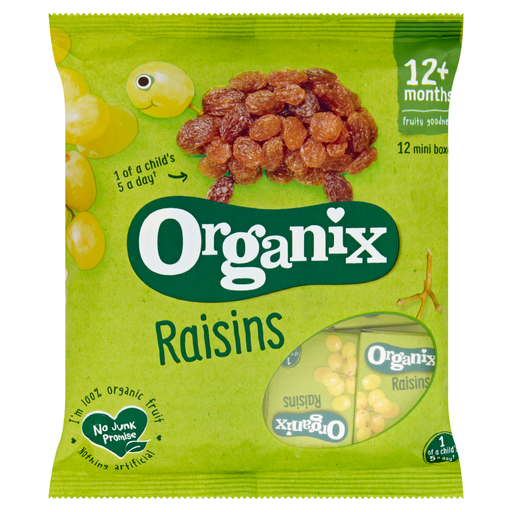
Organix Goodies Raisins 12+ Months, 12 x 14g
The 14g boxes show the quantity available to add to a meal. This is dried fruit, so keep it to mealtimes in line with NHS guidance; check the pack’s ingredients and allergen information.
View on Joybuy
 No image available
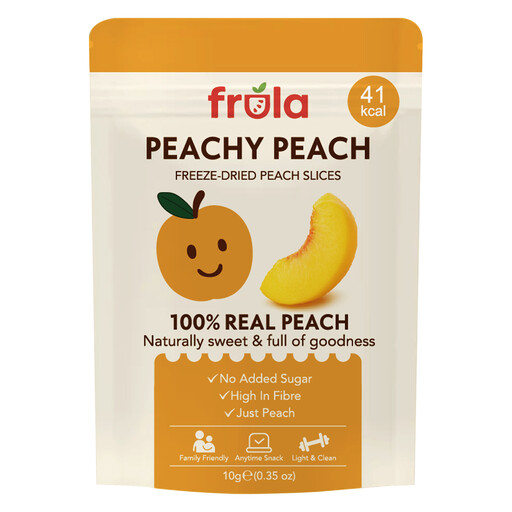
Frula Freeze-Dried Peach 10g
This 10g pack is an option for adding dried fruit to a meal. Check its nutrition panel and ingredients for the exact pack; NHS advice is to eat dried fruit at mealtimes rather than between meals.
View on Joybuy
 No image available
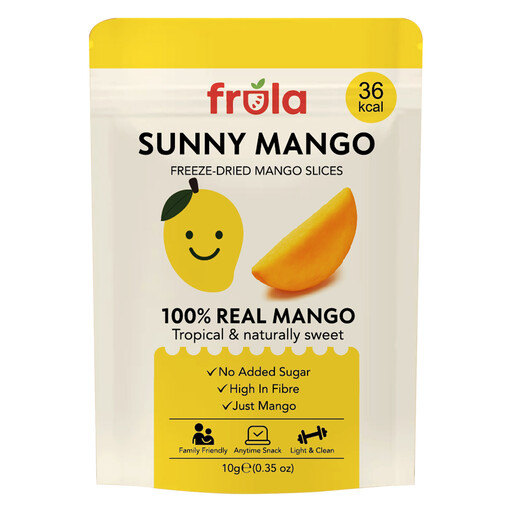
Frula Freeze-Dried Mango 10g
The 10g pack provides a stated quantity for planned mealtime use. Compare its own fat and sugars values with other products on the same label basis, and keep dried fruit to mealtimes as the NHS advises.
View on Joybuy
 No image available
Morrisons Blueberries 350g
Consider this blueberry product if you would prefer fruit to dried raisins or mango mid-morning. Check its storage and preparation instructions to see whether it suits the way you plan to eat it.
View on Joybuy
 No image available
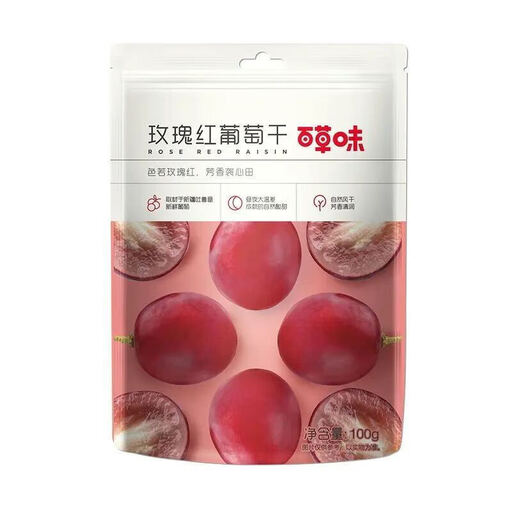
Be&Cheery Rose Red Raisins 100g
For adding raisins to a meal, the 100g pack lets you measure the amount you intend to use. Check its ingredients, nutrition panel and allergens rather than assuming its values match another raisin product.
View on Joybuy
Frequently asked questions
Should I choose dried fruit for a mid-morning snack because it has little fat?
Not for a standalone snack between meals. The NHS advises eating dried fruit at mealtimes to reduce tooth-decay risk, regardless of the fat value on the pack. Choose fresh fruit if you want fruit between meals.
How much dried fruit counts as one 5 A Day portion?
The NHS says 30g of dried fruit counts as one 5 A Day portion, equivalent to around 80g of fresh fruit. It still advises having dried fruit at mealtimes rather than as a between-meal snack.
Does “no added sugar” tell me the total sugars in dried fruit?
No. Check the nutrition panel for total sugars as well as the ingredient list. For example, Sainsbury’s lists its BEAR dried mango as “No Added Sugar” and gives 57g sugars per 100g.
Do I need to check dried fruit for sulphites?
Yes, particularly if sulphites are a concern for you. The Food Standards Agency says sulphur dioxide and sulphites are often used in dried fruit and notes a higher risk of reaction for people with asthma. Check the label of the exact pack.
Can I compare a fruit-and-nut mix with plain dried fruit by name alone?
No. Nuts change the ingredient and allergen profile, so compare the exact products’ nutrition panels on the same per-100g or per-serving basis. Check the mix’s nut declaration if it matters to your household.


