Shoppers seeking familiar comfort dishes with less fat
If you are comparing curries, pasta dishes or pie-style meals, use the nutrition figures rather than the appearance of the pack to judge fat and saturated fat.


Compare total fat and saturated fat per 100g across similar frozen dinners, then check the figures for the portion you intend to eat. A reduced-fat claim describes a comparison with another food, not necessarily a low fat content; meal size, flavour and cooking method matter to the choice too.
If you are comparing curries, pasta dishes or pie-style meals, use the nutrition figures rather than the appearance of the pack to judge fat and saturated fat.
Check both the per-100g figures and the amount you will eat. A smaller pack can have a lower whole-pack figure while containing more of a nutrient per 100g.
Retailer categories can narrow a busy shelf, but the name of a range does not tell you the total fat or saturated fat in a particular frozen meal.
Start with comparable nutrition figures, then check whether the pack provides the portion and preparation you want for dinner.
| Priority | What to check | Your needs |
|---|---|---|
| Total fat | Compare total fat per 100g in similar meals, then the figure for your portion. NHS guidance says a reduced-fat claim means at least 30% less fat than a similar product; it does not mean the food is low in fat. | I want a familiar comfort dish with less fat, but I do not want to rely on a claim without comparing the numbers. |
| Saturated fat | Read saturated fat per 100g and per portion separately from total fat. NHS food-label guidance classes more than 5g of saturated fat per 100g as high. | For a creamy, cheesy or pastry-topped dinner, saturated fat matters to my comparison as well as total fat. |
| Range and portion | Use a calorie-controlled or named range to find candidates, not to establish their fat content. Compare salt and energy per 100g too, then check pack weight and the stated serving size. | A convenient portion for one appeals to me, but I need to know how the amount I will eat relates to the nutrition figures. |
| Preparation | Check the cooking equipment, time and storage directions on the exact pack. Read its ingredients and highlighted allergens before choosing. | Whether I am heating a complete meal or cooking a component with sides, dinner needs to fit the time and equipment I have. |
A reduced-fat claim compares a food with a similar product. As NHS guidance explains, the reduction does not establish that its remaining fat content is low.
Compare total fat and saturated fat per 100g with a similar dinner, then check the portion you expect to eat.
A calorie-controlled category may make browsing quicker, but its name does not establish the fat or saturated-fat content of each meal.
Open the nutrition information for the exact recipe before deciding whether it meets your comparison.
Different pack sizes make whole-pack numbers a poor starting point for comparing the concentration of fat, saturated fat or salt.
Compare per 100g first; then use the per-portion or per-pack figures for the amount you plan to eat.
Ingredients and allergens matter to the exact meal you buy, while preparation directions can differ between frozen dishes.
Check the current ingredients list and follow that pack’s storage and cooking instructions. GOV.UK guidance says allergens must be highlighted in the ingredients list.
These retailer listings offer starting points for a comfort dinner; compare the nutrition panel of an individual meal before treating it as a reduced-fat choice.
Tesco Groceries lists an Under 500cal category within frozen ready meals and a separate calorie-controlled ready-meal selection.
The Marks & Spencer frozen ready-meal listing includes comfort-food formats such as pies and fish dishes.
Waitrose & Partners lists frozen chilli con carne with rice and chicken tikka masala with rice in 400g packs.
Iceland Foods describes a Slimming World frozen range containing ready meals and a MyProtein range it describes as including low-fat meals.
These options cover a chicken tikka meal and two frozen components that could form part of a comfort dinner. Their inclusion does not establish that any is reduced fat compared with a similar product; use the current pack to make that comparison.
 No image available
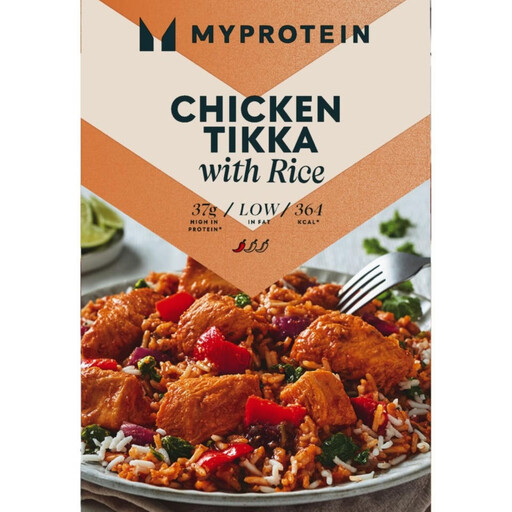
A frozen chicken tikka meal is an option if you want a curry-style comfort dinner. The listed pack is 350g; compare its current per-100g and whole-pack nutrition figures with a similar meal, and check the ingredients for your requirements.
 No image available
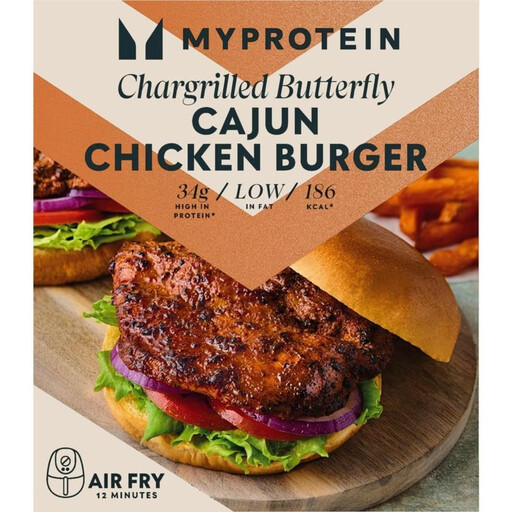
These frozen chicken burgers are a dinner component rather than a complete ready meal, so account for anything you serve with them. The listed pack contains two burgers and weighs 300g; check the portion you will cook, its nutrition information and the pack’s cooking directions.
 No image available
For a dumpling dinner or soup, decide how much of this frozen 540g pack you will use and what else will go into the meal. Compare nutrition for that portion, check the ingredients and follow the cooking directions on the current pack.
No. NHS guidance says a reduced-fat product must contain at least 30% less fat than a similar product, but it may still contain a substantial amount. Compare total fat and saturated fat per 100g and for the portion you will eat.
Start with total fat, saturated fat, salt and energy per 100g so different pack sizes are on the same basis. Then check the figures for your intended portion; the amount you eat may differ from the serving shown on the pack.
NHS food-label guidance classes more than 5g of saturated fat per 100g as high. Check the per-portion figure as well when comparing the frozen dinners you might actually eat.
No. Tesco’s calorie-controlled listing and other named retailer ranges can help you find candidates, but range placement does not establish the fat content of an individual meal. Read the exact product’s nutrition panel before choosing.
Check the current pack’s ingredients, highlighted allergens, storage directions and cooking instructions. GOV.UK guidance requires allergens to be highlighted in the ingredients list, and cooking directions can differ between meals.