Couples planning a freezer-to-table dinner
If you are choosing a frozen main for two, compare similar dishes per 100g before deciding whether the pack provides the portions you want to serve.


For a Valentine's dinner, compare similar frozen meals by total fat, saturated fat and salt per 100g, then check how much each person will eat. A reduced-fat claim is a comparison, not a guarantee that a meal is low in fat; calorie-controlled ranges and sharing packs need the same label checks.
If you are choosing a frozen main for two, compare similar dishes per 100g before deciding whether the pack provides the portions you want to serve.
If a reduced-fat claim catches your eye, check the meal's total fat and saturated fat figures as well. The claim alone does not describe the whole nutrition panel.
A calorie-controlled range may help you narrow your search, but check the exact frozen item and its fat figures before choosing it for a reduced-fat requirement.
Start with comparable frozen dishes, then move from the per-100g figures to the portion you plan to serve. The survey figures below come from Food Standards Agency and Ipsos Northern Ireland interviews with 611 adults in Northern Ireland between 16 September and 23 November 2024; they describe general food shopping, not frozen-meal choices.
| Priority | What to check | Your needs |
|---|---|---|
| Reduced-fat wording | Look for the exact claim, then compare total fat with a similar dish. Check saturated fat and salt separately; a comparative fat claim does not establish their levels. | I want to know what the claim tells me before relying on it. In the Food Standards Agency and Ipsos Northern Ireland's 2024 survey, 35% named nutritional claims on the back of packs as their primary source of nutritional information. |
| Comparable figures | Compare total fat, saturated fat and salt per 100g across similar meals. NHS guidance describes more than 17.5g fat, 5g saturated fat or 1.5g salt per 100g as high for each respective measure. | I want to compare meals on the same basis rather than judge different pack sizes. In the same Northern Ireland survey, 49% said they actively used traffic-light labelling when shopping for food. |
| Portion size | Check the stated serving size, servings per pack and nutrition per serving where shown. Compare those figures with the amount you intend to serve. | For dinner for two, I need to know whether one pack makes the portions I have in mind. |
| Frozen format | Confirm that the exact item is frozen. Treat calorie-controlled ranges and category filters as ways to find candidates, then read each item's nutrition panel. | I want a meal I can keep frozen without assuming a calorie label answers my question about fat. |
| Ingredients and use | Read the exact item's ingredient and allergen information. Follow its storage and cooking instructions when preparing it. | If someone joining dinner has an allergy or dietary restriction, I need to check the meal itself, not just its range name. |
A reduced-fat claim compares a product with a similar one. It does not, on its own, tell you whether the meal is low in total fat or what its saturated fat and salt figures are.
Use the claim to identify a candidate, then compare similar dishes per 100g and check the portion you will serve.
An under-500-calorie filter or calorie-controlled range does not establish that an individual meal is reduced in fat.
Check total fat, saturated fat and salt on the exact meal after using the filter.
Whole-pack figures are not a like-for-like comparison when pack weights and stated portions differ.
Compare similar meals per 100g first, then work out which pack portion suits your dinner.
A reduced-fat or calorie-controlled description does not establish that a meal meets someone's allergy or other dietary requirements.
Read the ingredient and allergen information for the exact item, and follow its pack instructions for storage and cooking.
These retailer categories can help you find meals to compare; a category or range label does not establish the nutrition of an individual frozen meal.
Tesco lists frozen ready meals and an “Under 500cal Meals” category filter.
Waitrose lists frozen ready meals, including a meal labelled for two.
Iceland has a frozen ready-meal category and a separate Slimming World frozen range that includes ready meals and lunch bowls.
M&S lists frozen ready meals and separately describes its Count On Us dishes as calorie controlled.
These dumpling and dim sum options suit a frozen meal or sharing spread. Check each pack's nutrition and intended portions if reduced fat is your deciding requirement.
 No image available
Soup dumplings are an option for a frozen meal or side. Compare the pack's fat, saturated fat and salt figures with a similar dish, and check how many portions you intend to serve; do not assume this is a reduced-fat product.
 No image available
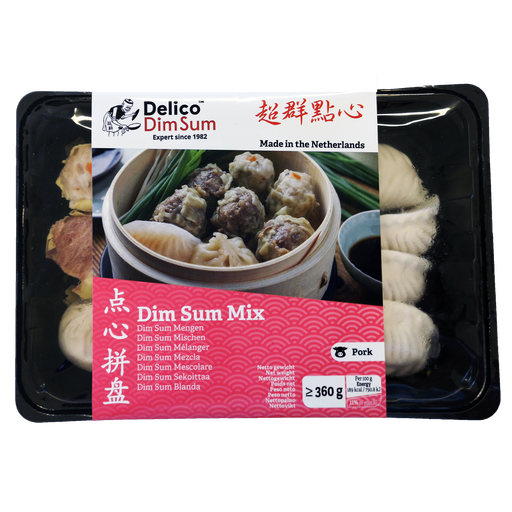
The 360g assortment offers a format for sharing. Check the portions you plan to serve and compare its nutrition with a similar dish; the assortment name does not establish a reduced-fat claim.
No. “Reduced fat” compares a product with a similar one; it does not by itself tell you whether the meal is low in total fat. Compare similar meals per 100g and check saturated fat, salt and the portion you will eat.
Compare total fat, saturated fat and salt per 100g across similar dishes, then check the figures for the portion you intend to serve. NHS guidance describes more than 17.5g total fat, 5g saturated fat or 1.5g salt per 100g as high for each respective measure.
No. A calorie-controlled range or filter can help you find candidates, but it does not establish a reduced-fat comparison. Read the exact frozen meal's nutrition panel if fat is the figure you want to compare.
Check the ingredient and allergen information for the exact meal before buying and again against the pack before cooking. Do not infer suitability from a reduced-fat claim or a range name.
Follow that meal's storage and cooking instructions, including any direction to keep it frozen until use. Check that it is piping hot before serving.