What should you check before packing nuts?
Start with the exact product’s nutrition and ingredients, then choose a portion and pack format that work for the trip. Salt, storage instructions and allergen statements need their own checks.
| Priority | What to check | Your needs |
|---|
| Fat and portion |
Compare fat and energy per 100g for products of the same type, then work out what your packed portion contains. ASDA Groceries lists 46g fat per 100g for ASDA Peanuts 200g; Sainsbury’s lists 58.2g per 100g for its Mixed Nuts 300g. That comparison does not make either product “reduced fat”. |
I want a portion I can pack deliberately, rather than eating from a large bag or assuming that plain nuts are low in fat. |
| Salt |
Read salt per 100g on the exact pack and check whether it is unsalted or seasoned. ASDA Groceries lists 0.03g salt per 100g for KP Unsalted Peanuts 250g and 1.6g per 100g for KP Dry Roasted Peanuts 1kg. |
For a savoury snack with less listed salt, I would compare an unsalted pack with the seasoned option I was considering. |
| Storage |
Check the unopened and after-opening instructions, plus whether you can reseal the pack or use an airtight container. ASDA Groceries says its KP Dry Roasted Peanuts 1kg should be kept cool and dry and consumed within seven days of opening. |
I need the pack to fit the length of my trip and to stay protected from moisture after opening. |
| Allergens |
Read the exact ingredients and any “may contain” statement. The Food Standards Agency explains that precautionary allergen labelling communicates possible unintended presence of regulated allergens; peanuts and tree nuts are distinct allergen categories. |
Before sharing food, I need to know which nuts are in it and whether the pack names other possible allergens. |
Which brands offer useful comparisons?
These are references for checking particular nut formats and labels, not a claim that every product from a brand has the same nutrition or is available on Joybuy.
KP
KP’s unsalted and dry-roasted peanut products provide a useful product-by-product salt comparison.
- ASDA Groceries lists 0.03g salt and 51g fat per 100g for KP Unsalted Peanuts 250g.
- Its listing for KP Dry Roasted Peanuts 1kg gives 1.6g salt and 48g fat per 100g; neither roasting nor an unsalted name establishes reduced-fat status.
ASDA
ASDA Peanuts 200g is a plain-peanut reference when comparing per-100g labels.
- ASDA Groceries lists jumbo blanched peanuts as the ingredient, with 46g fat and less than 0.01g salt per 100g.
- The listing says to keep the product cool and dry and use an airtight container once opened; check the actual pack’s allergen information before sharing.
Sainsbury’s
Sainsbury’s Mixed Nuts 300g is an example for shoppers choosing variety rather than a plain-peanut format.
- Sainsbury’s lists almonds, walnuts, cashews and Brazil nuts, with less than 0.01g salt per 100g.
- The same product lists 58.2g fat and 649kcal per 100g, so its low listed salt should not be mistaken for low fat or energy.
M&S
Marks & Spencer describes a natural-nut range that includes almonds, cashews, walnuts and nut medleys.
- The range offers several unflavoured nut formats to consider.
- Compare the nutrition panel of the particular pack you choose; a range description cannot establish its fat or salt values.
Tesco
Tesco’s peanut category lists both own-label formats and KP products, including unsalted and dry-roasted choices.
- The range gives shoppers different flavour and pack formats to compare.
- Use each product’s own nutrition, storage and allergen label rather than treating the category name as a nutrition comparison.
Joybuy nut options for camping
These options cover unsalted and salted peanuts, a chopped nut mix, and a nut-and-dried-fruit mix in sachets. Compare each exact pack with the fat, salt, storage and sharing needs that matter for your trip; the formats are not interchangeable nutrition comparisons.
 No image available
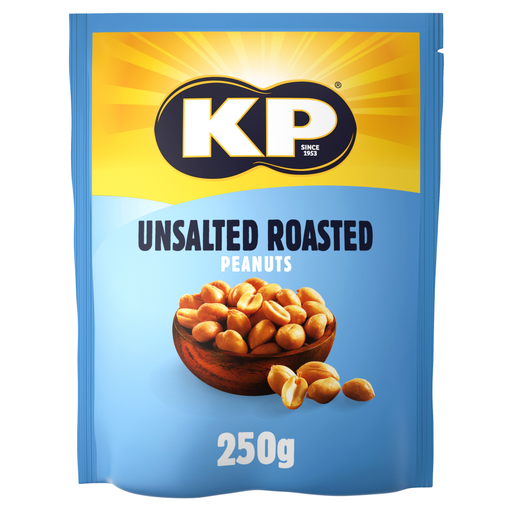
KP Snacks Unsalted Roasted Peanuts 250g
This is an unsalted peanut option if you want to compare salt separately from fat for a camping snack. ASDA Groceries lists 51g fat and 0.03g salt per 100g for KP Unsalted Peanuts 250g; check the current pack’s nutrition and allergen statements before packing it.
View on Joybuy
 No image available
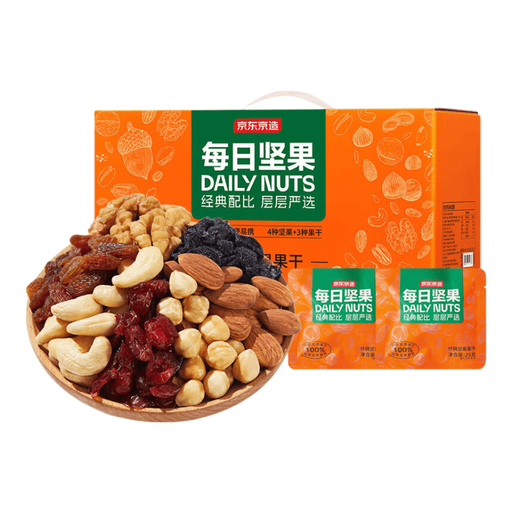
J.ZAO Classic Daily-Nut Mix 750g, 30 sachets
The individual sachets offer a way to pack this nut-and-dried-fruit mix for separate outings. It is not an all-nut product, so check its ingredients and per-100g nutrition before comparing it with plain peanuts.
View on Joybuy
 No image available
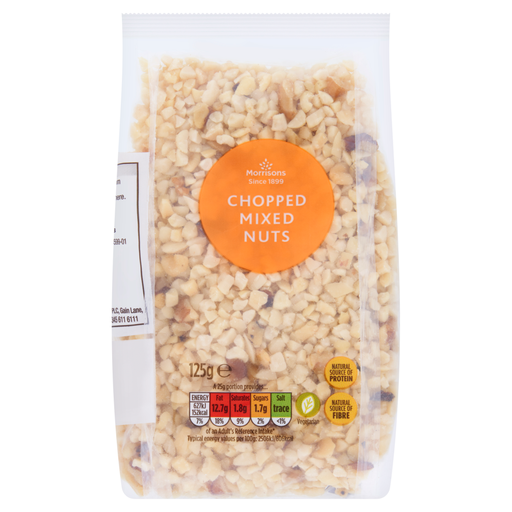
Morrisons Chopped Mixed Nuts 125g
The chopped format may suit a camping meal where you plan to add nuts rather than eat them whole. Check which nuts the pack contains, its nutrition panel and its instructions for storage after opening.
View on Joybuy
 No image available
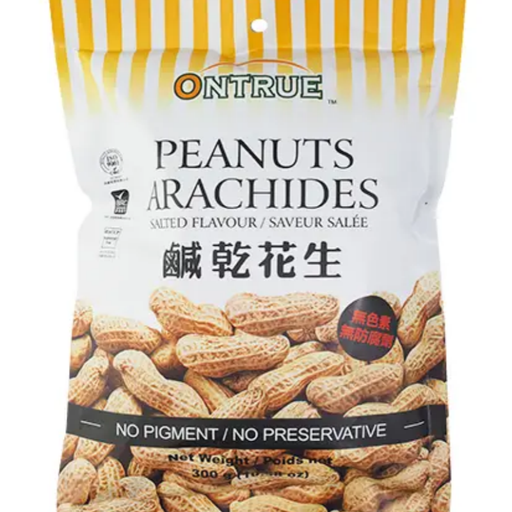
ONTRUE Roasted Salted Peanuts 300g
These roasted, salted peanuts fit a trip where you want a seasoned snack. If reducing salt is also part of your decision, compare the exact pack’s salt per 100g with an unsalted option rather than relying on its roasting description.
View on Joybuy
 No image available
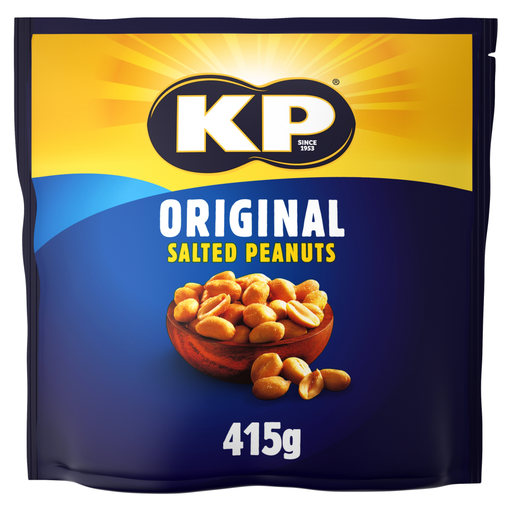
KP Snacks Original Salted Peanuts 415g
This larger salted-peanut pack is an option if you are planning portions for more than one outing or person. Check its fat and salt per 100g, allergen statement and after-opening instructions before using it as shared camping food.
View on Joybuy
Questions about packing nuts
Does dry roasting make nuts reduced fat?
No: “dry roasted” describes a preparation method, not the fat figure on the pack. ASDA Groceries lists 48g fat per 100g for KP Dry Roasted Peanuts 1kg and 46g per 100g for ASDA Peanuts 200g. Compare the exact products you are considering rather than assuming a roasting method settles the choice.
How can I decide how many nuts to pack?
Choose the amount you intend to eat and use the pack’s per-100g figures to understand that portion, rather than eating directly from a larger bag. The NHS notes that all types of fat are high in energy; a serving size is a planning tool, not evidence that the nuts are reduced fat.
How should I store nuts while camping?
Follow the instructions on the particular pack, including what to do after opening. Sainsbury’s says to keep its Mixed Nuts 300g cool and dry and reseal the pack; ASDA Groceries says its KP Dry Roasted Peanuts 1kg should be kept cool and dry and consumed within seven days of opening.
Are peanuts and tree nuts the same allergen?
No. The Food Standards Agency identifies peanuts as legumes and distinguishes them from tree nuts such as cashews and almonds. For a shared snack, read the exact pack’s ingredients and precautionary allergen statements rather than assuming that a peanut or mixed-nut name describes every possible allergen.
Is a nut-and-dried-fruit mix a lower-fat alternative to whole nuts?
Not necessarily. A mix contains different ingredients, so compare its fat and energy per 100g with the whole-nut product you would otherwise pack, and check the portion you will actually eat. The name or sachet format alone does not establish a lower-fat choice.


