Organisers asked for reduced-fat nuts
You need to establish whether the brief requires a reduced-fat claim, rather than simply a plain or unsalted snack. Roasting method and salt level do not answer the fat question.


If the conference brief specifically calls for reduced-fat nuts, check the claim and its comparison product on the exact pack or supplier specification; unsalted and roasted do not mean reduced fat. Plain nuts may suit a different brief when portions and allergen information can be managed, while delegates who cannot have the nuts on offer need a separately planned snack.
You need to establish whether the brief requires a reduced-fat claim, rather than simply a plain or unsalted snack. Roasting method and salt level do not answer the fat question.
You need ingredients and allergen information that delegates can access before choosing food, alongside a service plan that manages allergen cross-contact.
If some delegates cannot have the nuts being served, plan and check a separate option rather than treating one bowl of nuts as suitable for everyone.
Decide whether the request is for a substantiated reduced-fat product, a plain nut snack or an alternative to the nuts on offer. Then check the exact product and how it will be served.
Consider when: The catering brief specifically requires a reduced-fat claim on the product being served.
Trade-off: A plain, unsalted or roasted description cannot stand in for that claim; check the stated comparison product.
Consider when: The request is for a simply flavoured nut snack, not a reduced-fat claim.
Trade-off: Portioning changes how much is served, not the product’s fat value per 100g.
Consider when: Delegates cannot have those nuts or the caterer cannot manage their service appropriately.
Trade-off: Check the alternative’s own ingredients and allergen information; it does not fulfil a request specifically for nuts.
| Priority | What to check | Your needs |
|---|---|---|
| Reduced-fat claim | Look for the claim on the exact pack or supplier specification. Check its comparison product and compare fat figures on the same per-100g basis. | I need the snack described as reduced fat, not merely unsalted or roasted. |
| Fat and portions | Read total fat per 100g and the proposed serving size. Tesco Groceries lists 48.2g fat per 100g and 12.1g per 25g serving for Tesco Cashews 500g; Marks & Spencer lists 58.4g per 100g for Oven Roasted Mixed Nuts. These are product-specific figures. | I want to know what each delegate will be offered, as well as how the product is labelled. |
| Allergens and service | Check ingredients and declared allergens for the exact product. Make information available before delegates select food, and plan how staff will manage cross-contact during service. | Delegates must be able to check whether a snack suits them before taking it, including when food is served loose. |
| Salt and flavouring | Compare salt per 100g and read the ingredients for coatings, flavourings or added salt. Check the chosen variety rather than relying on the word “roasted”. | If I have been asked for a plain snack, I want to distinguish it from a salted or flavoured variety. |
Those terms describe salt or preparation, not a reduction in fat. Tesco Groceries lists 48.2g fat per 100g for Tesco Cashews 500g, while Marks & Spencer lists 58.4g per 100g for Oven Roasted Mixed Nuts.
Check the fat declaration and any reduced-fat claim on the exact product before using that wording on a conference menu.
Delegates need allergen information before selecting food. The Food Standards Agency and Food Standards Scotland both set out information and allergen-management duties for food businesses serving prepacked and non-prepacked food.
Arrange clear information for the food served, make sure staff can answer questions, and plan controls for preparation and service.
Coatings and seasonings vary between products. A conference order based only on “mixed” or “roasted” may not match a request concerning salt or ingredients.
Compare the exact products’ salt declarations and ingredient lists before choosing a flavour.
The food placed on the table is the product delegates must be able to assess.
Check its packaging and current supplier information before service, particularly the ingredients, nutrition declaration and allergens.
Brand names alone cannot establish whether a particular nut product is reduced fat or suitable for a conference menu.
Marks & Spencer’s Oven Roasted Mixed Nuts provide an example of why the exact variety matters.
Tesco Cashews 500g give caterers a product-specific per-100g and per-serving comparison.
Planters’ US product information includes unsalted dry-roasted peanuts, illustrating a salt and preparation choice rather than a reduced-fat claim.
These chestnut products offer different pack sizes for a conference snack. Their names do not establish a reduced-fat claim: check each delivered pack’s nutrition, ingredients and allergen information against the catering brief.
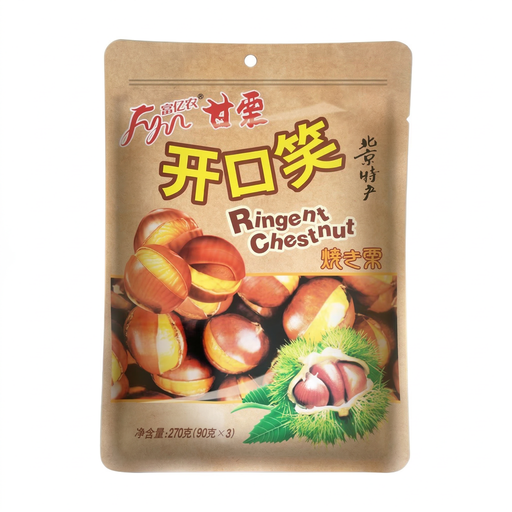 Image unavailable
The three-pack format may suit a refreshment table where packs are distributed separately. Confirm the amount in each pack and check the delivered product’s nutrition and allergen information before planning servings.
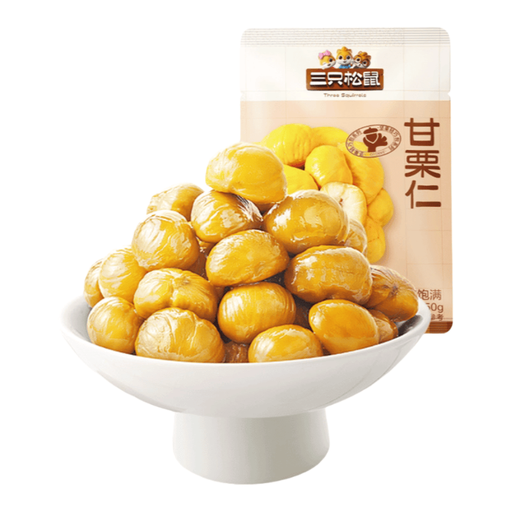 Image unavailable
The 50 g pack size gives caterers a defined pack amount to consider when planning service. Check the pack’s nutrition and ingredients rather than interpreting “Light Pack” as a reduced-fat claim.
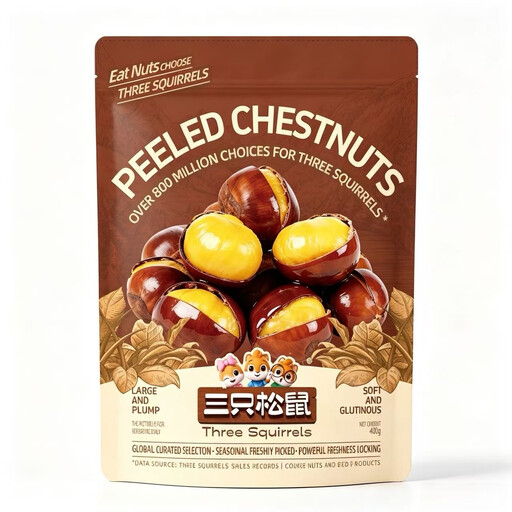 Image unavailable
For a conference order involving several servings, check how this 400g product is packed before deciding how to distribute it. Use the exact pack label to assess fat, ingredients and allergens.
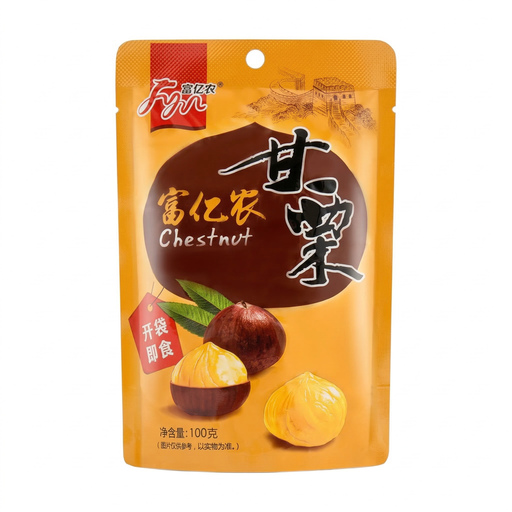 Image unavailable
The 100g size may be useful when working out how many packs a refreshment table requires; check whether the packaging suits the intended serving method. Confirm the nutrition and allergen details on the product supplied.
Not on the strength of those descriptions. Salt and roasting are separate from fat content, so check the exact product’s fat declaration and any reduced-fat claim against its stated comparison product.
Serving them loose does not remove the caterer’s allergen-information and management duties. Food Standards Agency guidance for England, Wales and Northern Ireland, and Food Standards Scotland guidance, address both prepacked and non-prepacked food; arrange information delegates can access before choosing and manage allergens during service.
Yes. UK food-allergen guidance treats peanuts and specified tree nuts as separate declarable categories. Check the exact product’s ingredients and allergen declaration rather than using “nuts” as the only description.
Keep the packaging or current product information available so staff and delegates can check the ingredients and allergens of the food being served. Recheck the delivered packs before service, especially if the menu was planned using an earlier listing.