A lower-fat nut product is not suitable if it contains an allergen the shopper must avoid; follow their individual nut-avoidance instructions before considering nutrition. If they can eat nuts but have another food allergy, check the current pack for ingredients and precautionary warnings first, then compare fat per 100g and per serving among suitable products.
Who needs which checks?
People avoiding peanuts or particular nuts
Check the exact avoidance instructions you have been given before considering any nut product. Cambridge University Hospitals NHS Foundation Trust notes that the nuts people are advised to avoid can differ; a lower fat figure does not change an ingredient allergy.
Shoppers managing a different food allergy
If nuts are permitted, check the current pack for your allergen in both the ingredients and any precautionary warning. The KP peanut listings at Asda and Sainsbury’s, for example, also warn of possible presence of other nuts, milk, soya and gluten.
Shoppers comparing fat content without a nut allergy
Compare equivalent products per 100g rather than assuming that roasting means reduced fat. Asda and Sainsbury’s list KP Dry Roasted Peanuts 250g at 48g fat per 100g; Sainsbury’s also gives 14g per 30g serving.
What to check before comparing fat
Establish which allergens must be avoided, read the exact pack’s warnings, and only then compare nutrition between products that remain suitable.
| Priority | What to check | Your needs |
|---|
| Ingredients |
Read the current ingredients and allergen declaration. Check the exact flavour, coating and pack variant rather than relying on a familiar product name. |
I need to know whether this pack contains a peanut or nut I have been told to avoid. |
| Precautionary warnings |
Look for relevant ‘may contain’ statements on the pack. The Food Standards Agency explains that precautionary allergen labelling communicates possible unintended presence of a regulated allergen. |
Even if my allergen is not an ingredient, I need to assess any warning against my individual avoidance instructions. |
| Fat comparison |
For suitable products, compare declared fat per 100g on the same basis, then check serving size and fat per serving. A small serving alone does not establish a reduced-fat product. |
Once the allergen checks are satisfied, I want to compare equivalent products without mistaking a smaller portion for a change in formulation. |
Mistakes that change the decision
-
Treating ‘reduced fat’ as an allergy claim
Fat content does not tell you whether a product contains an allergen you must avoid.
Check your individual nut-avoidance instructions and the pack’s ingredients before comparing nutrition.
-
Assuming similar packs have identical allergens
Flavours, coatings and pack variants can have different ingredients or warnings. Asda and Sainsbury’s list peanuts in KP Dry Roasted Peanuts 250g and warn that it may contain other nuts, milk, soya and gluten.
Read the ingredient list and allergy information on the exact pack you are buying.
-
Comparing portions instead of equivalent measures
Sainsbury’s lists KP Dry Roasted Peanuts 250g at 48g fat per 100g and 14g per 30g serving. Those figures answer different questions: one supports a product comparison, while the other describes a stated portion.
Compare suitable products per 100g, then check the serving information for the amount you intend to eat.
-
Relying on an older online listing
Asda and Sainsbury’s warn that product ingredients and allergy information can change.
Use a retailer page to shortlist products, but read the current physical pack before eating or serving them.
Brand and retailer references
These references describe specific listings or ranges, not an allergy-safety assessment of everything each brand or retailer sells.
KP
KP Dry Roasted Peanuts 250g is listed by Asda and Sainsbury’s.
- The listings give ingredients, allergen information and fat values; Sainsbury’s states 48g fat per 100g and 14g per 30g serving.
- This product contains peanuts and carries warnings for possible presence of other nuts, milk, soya and gluten. Its label cannot establish the allergen status of another KP product.
Sainsbury’s
Its KP Dry Roasted Peanuts 250g listing provides product-level ingredients, nutrition and allergy information.
- The listing gives both per-100g and per-serving fat figures for this product.
- Sainsbury’s advises reading the label before consumption because ingredients may change.
Asda
Its KP Dry Roasted Peanuts 250g listing includes ingredients, nutrition and allergen information.
- The listing identifies peanuts as an ingredient and states 48g fat per 100g.
- Asda advises checking the product label, as ingredients, nutrition and allergy advice may change.
M&S
Its nuts-and-seeds catalogue includes natural, roasted and mixed nuts.
- Assess the ingredients, warnings and nutrition of an individual pack before choosing it for an allergy-related or fat-content comparison.
Joybuy chestnut options
These chestnut packs are options to consider only if chestnuts fit your individual avoidance instructions. Check the current pack for all relevant allergens before comparing its nutrition with other suitable products.
 No image available
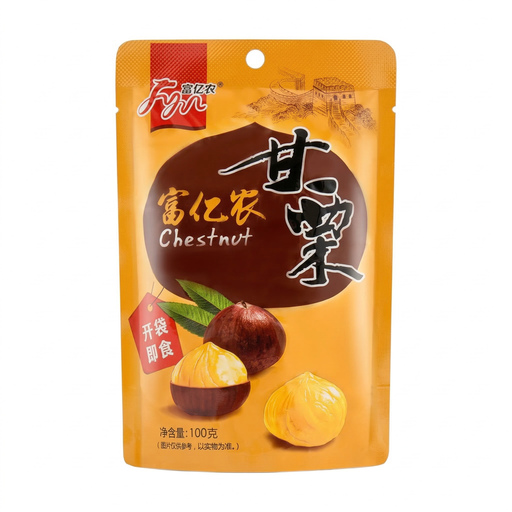
Fu Yi Nong Chestnut 100g
If chestnuts are permitted for you, check this pack’s current allergen information and declared fat per 100g before choosing it.
 No image available
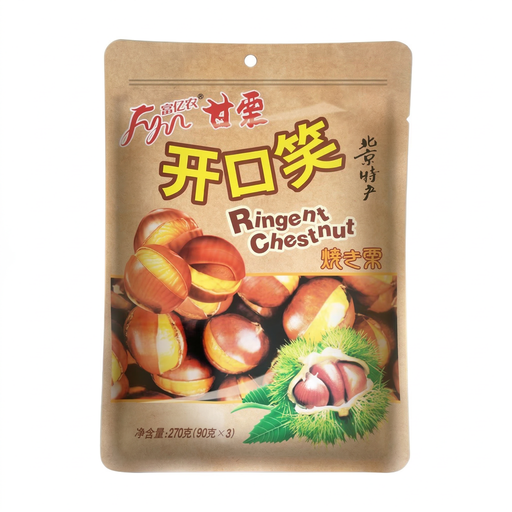
Fu Yi Nong Split-Shell Chestnuts 270g, 3 packs
The three-pack format may suit separate eating occasions if chestnuts are permitted for you. Check the exact pack’s allergen warnings and nutrition information.
 No image available
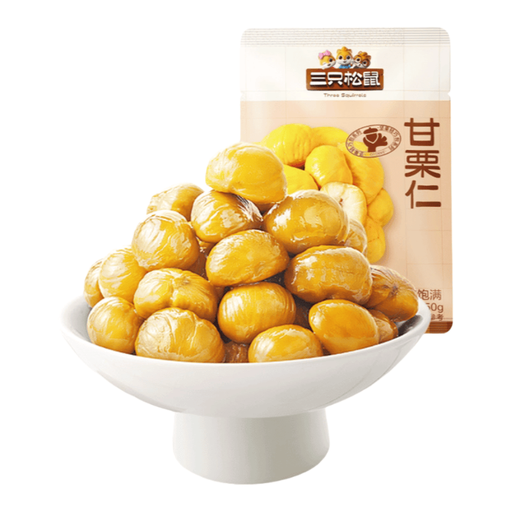
Three Squirrels Light Pack Sweet Chestnut Kernels 50g
If chestnuts fit your avoidance instructions, this 50g pack offers a smaller pack size. Read its current ingredient and precautionary information before eating.
 No image available
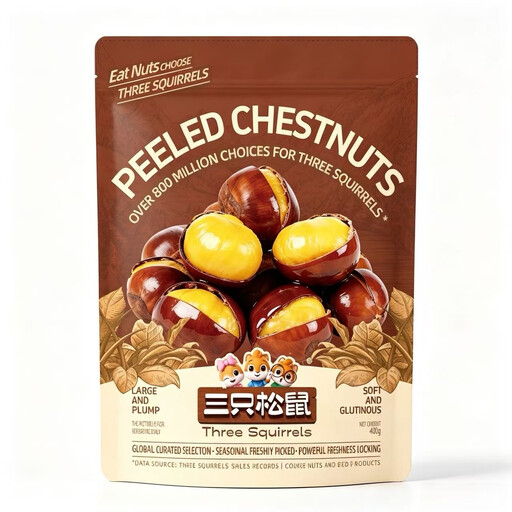
Three Squirrels New & Unique Sweet Chestnut Kernels 400g
For a larger chestnut pack, confirm that chestnuts are permitted for you, then check the physical label for other allergens and compare its declared fat per 100g.
 No image available
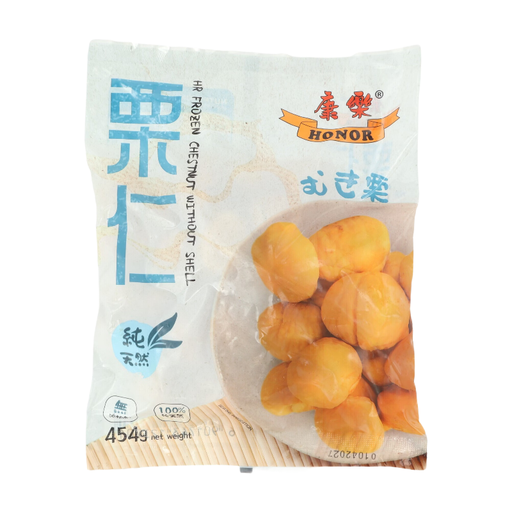
HONOR Chestnuts Without Shell 454g
These shell-free chestnuts are a cooking option only if chestnuts are permitted for you. They require cooking and frozen storage; check the pack’s allergen and preparation instructions.
Questions about nuts and allergy labels
Does ‘reduced fat’ make nuts suitable for a peanut or nut allergy?
No. A fat claim does not change whether the product contains an allergen you must avoid. Check your individual avoidance instructions and the current ingredient declaration before considering its nutrition.
Can I rely on online allergen details for later purchases?
Read the physical label each time. Cambridge University Hospitals NHS Foundation Trust advises this because recipes can change, and both Asda and Sainsbury’s caution shoppers to check the current pack.
What does ‘may contain’ mean on a UK food label?
It is a precautionary warning about possible unintended presence of an allergen, as explained by the Food Standards Agency. It is different from listing an ingredient; assess a relevant warning against your individual avoidance instructions.


