Picnic shoppers comparing fat content
If reduced fat is your aim, compare the wording and nutrition information on the exact packs. A difference between two standard nut products is not, on its own, a reduced-fat claim.


Do not treat “dry roasted” as a reduced-fat claim. KP Nuts lists 47g fat per 100g for its Dry Roasted Peanuts and 51g for its Original Salted Peanuts: the dry-roasted product has less fat in this pair, but that comparison alone does not establish a reduced-fat choice. For a picnic, check the exact pack’s nutrition label, portion size and allergen wording before deciding.
If reduced fat is your aim, compare the wording and nutrition information on the exact packs. A difference between two standard nut products is not, on its own, a reduced-fat claim.
An individually labelled pack makes it easier to see what one packed portion contains than serving nuts from a sharing bag. KP Nuts, for example, gives nutrition information for its 30g Dry Roasted snack pack.
Keep the original packet available so each person can check its ingredients and any “may contain” wording. The Food Standards Agency explains that precautionary allergen labelling communicates the possibility of unintended allergen presence.
Start with the claim you need the product to meet, then compare portions and the other label details that matter for your picnic.
| Priority | What to check | Your needs |
|---|---|---|
| Fat claim | Read the exact product’s claim and compare total fat per 100g on a like-for-like basis. KP Nuts lists 47g per 100g for Dry Roasted Peanuts and 51g for Original Salted Peanuts. | I want to know whether a pack actually makes a reduced-fat claim, rather than assuming its roasting method tells me. |
| Portion | Check pack size and nutrition per serving as well as per 100g. KP Nuts lists 179kcal and 14g fat for its 30g Dry Roasted snack pack. | A labelled individual pack would help me decide how much to bring for one person. |
| Salt | Compare salt on the same per-100g basis, then check the amount in the portion you plan to pack. KP Nuts lists 1.7g per 100g for Dry Roasted Peanuts and 1.3g for Original Salted Peanuts. | If salt matters to me too, I do not want to make the choice using fat figures alone. |
| Allergens | Read the ingredients and precautionary wording on every pack being shared. The Food Standards Agency distinguishes a possible unintended presence signalled by precautionary labelling from an ingredient declaration. | Other people will share the picnic, so they need access to each product’s own label before eating it. |
The cooking style does not establish a reduced-fat claim. KP Nuts lists 47g fat per 100g for Dry Roasted Peanuts, against 51g for its Original Salted Peanuts.
Check the exact pack’s claim and compare its nutrition panel with a similar product.
A large bag does not define how much each person will serve. KP Nuts gives figures per 30g pack for its Dry Roasted snack format: 179kcal and 14g fat.
If a defined amount matters, compare the individual pack with the portion you would take from a larger bag.
In KP Nuts’ figures, Dry Roasted Peanuts have less fat but more salt per 100g than Original Salted Peanuts.
Read both values on a consistent per-100g basis before checking your intended serving.
Once food is tipped into a shared container, guests may not have the ingredient and precautionary allergen information they need.
Keep each original labelled packet with the picnic food and let anyone with a relevant allergy assess that exact product before it is shared.
These references help put pack formats and nutrition figures in context; they do not imply that every product from a brand has the same properties.
KP Nuts lists Dry Roasted and Original Salted Peanuts, as well as a 30g Dry Roasted snack-pack format.
Tesco Groceries lists several nut formats, including KP Dry Roasted snack packs and unsalted peanuts.
Marks & Spencer’s Oven Roasted Mixed Nuts offer a mixed-nut format for shoppers who want an assortment.
Asda Walnuts 180g are an example of a plain walnut option.
These chestnut, peanut and nut-mix packs offer different picnic formats. Check each exact pack for nutrition figures, ingredients and any claim that matters to you; the selection is not a list of products established as reduced fat.
 No image available
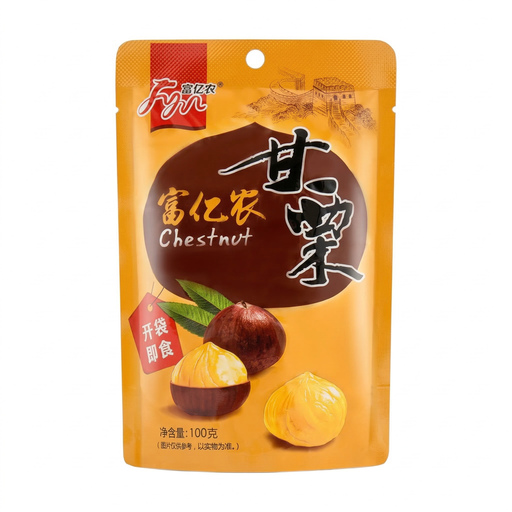
A 100g chestnut pack to consider if you would prefer chestnuts to peanuts at the picnic. Check its own nutrition and ingredient labels rather than applying peanut comparisons to it.
 No image available
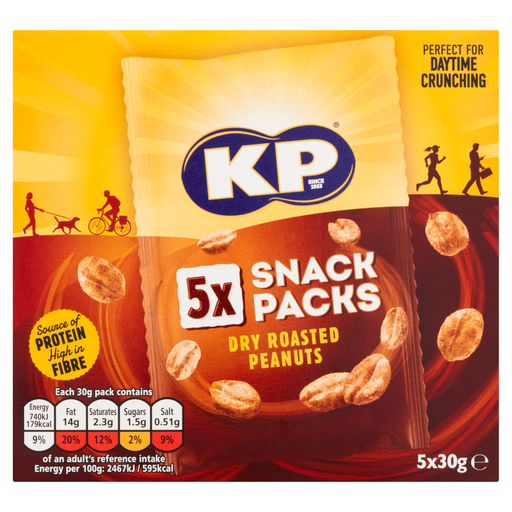
Five individually sized 30g peanut packs offer a defined amount to bring for each person. KP Nuts lists 14g fat and 0.51g salt per 30g Dry Roasted snack pack; dry roasted does not itself mean reduced fat.
 No image available
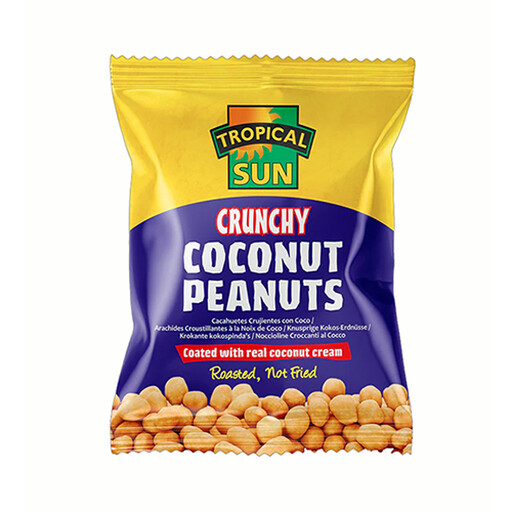
A 50g coconut-peanut pack for someone considering a flavoured picnic snack. Check the exact pack’s nutrition and ingredient information before comparing it with plain peanuts.
 No image available
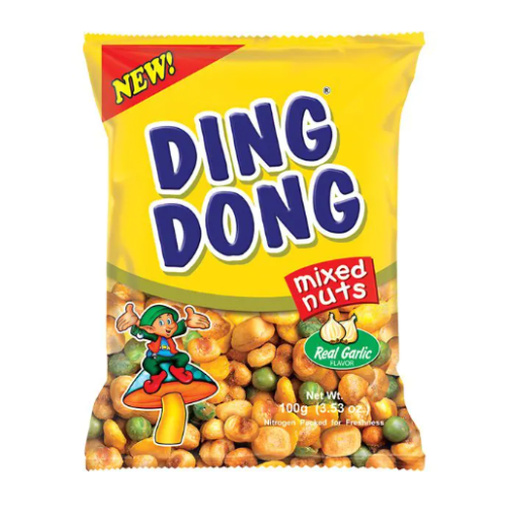
A 100g garlic-flavoured nut-mix pack for a shared picnic. Compare its own fat and salt values per 100g, and keep the ingredient label available to the group.
 No image available
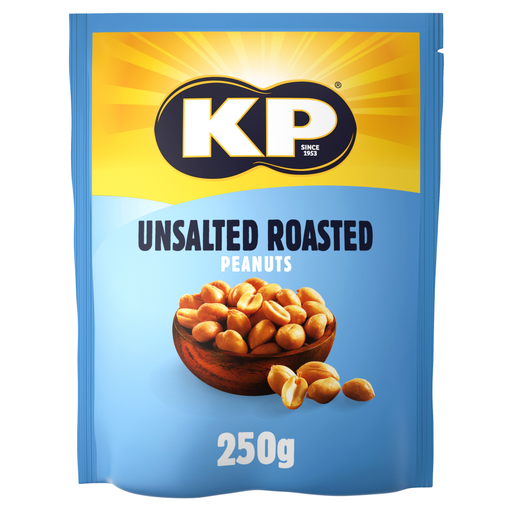
An unsalted peanut option in a 250g bag if you plan to serve or pack portions separately. “Unsalted” describes salt, not fat, so check both values on this pack’s nutrition panel.
No. “Dry roasted” describes the style, not a reduced-fat claim. KP Nuts lists 47g fat per 100g for Dry Roasted Peanuts and 51g for Original Salted Peanuts; read the exact pack’s claim rather than relying on its name.
Choose a pack with a stated serving size or portion nuts from a larger bag before leaving. KP Nuts’ 30g Dry Roasted snack pack provides a concrete example, with nutrition listed for that pack; it is not a personalised serving recommendation.
Not necessarily: “unsalted” and fat content describe different label values. Compare total fat and salt separately on the exact product’s nutrition panel, using per-100g figures for a like-for-like comparison.
Keep the original pack so guests can read its ingredients and any precautionary allergen wording. The Food Standards Agency explains that wording such as “may contain” signals possible unintended allergen presence; it is not a substitute for checking the ingredient list.
Read the age and safety guidance on the exact pack. Marks & Spencer states that its Oven Roasted Mixed Nuts are not suitable for children under 36 months because of a potential choking hazard; do not assume another product carries identical instructions.