What should you check?
Start with when you plan to eat the food, then compare the nutrition panel and a portion you would actually use. Chestnuts, conventional nuts and a pre-run carbohydrate snack need not serve the same purpose.
| Priority | What to check | Your needs |
|---|
| Lower-fat choice |
Compare fat per 100g on individual packs, then check the serving size. Tesco Groceries lists Merchant Gourmet Whole Chestnuts as low fat, with 1.3g fat per 100g; that figure does not describe every chestnut product. |
I want a nut snack with less fat than the conventional nuts I would otherwise choose, not merely a smaller pack or a product from a reduced-fat snack aisle. |
| Run timing |
Check carbohydrate per serving and when you will eat it. The UK Sports Institute says carbohydrate needs increase with exercise intensity and duration; it gives porridge as one example of food before a run. |
For a demanding or long session, I need to plan carbohydrate-containing food around the run rather than assume any low-fat snack covers that need. |
| Portion size |
Read kcal and fat per 100g and for your portion. The British Heart Foundation says a 30g handful of conventional nuts can provide 180–225kcal, depending on the type. |
I still want ordinary nuts as a snack, but the amount I serve matters more to me than the size of the bag. |
| Ingredients and salt |
Compare the ingredients and salt figures for plain, salted and flavoured varieties. Where a front-of-pack traffic-light label is provided, GOV.UK says it can help compare fat, saturates, sugar and salt at a glance. |
When choosing conventional nuts, I want to know what has been added rather than judge them by the word “nuts” on the front. |
| Allergen information |
Read the current pack’s ingredients and allergen information. The Food Standards Agency distinguishes peanuts, which are legumes, from tree nuts such as almonds, cashews and hazelnuts. |
I need to check the exact product, especially if avoiding peanuts or particular tree nuts; a retailer listing is not a substitute for the pack. |
Chestnut options on Joybuy
These chestnut products relate to the lower-fat nut-snack route. Compare each pack’s nutrition and preparation instructions with your planned portion and run timing; this selection is not a list of foods for every stage of marathon training.
 No image available
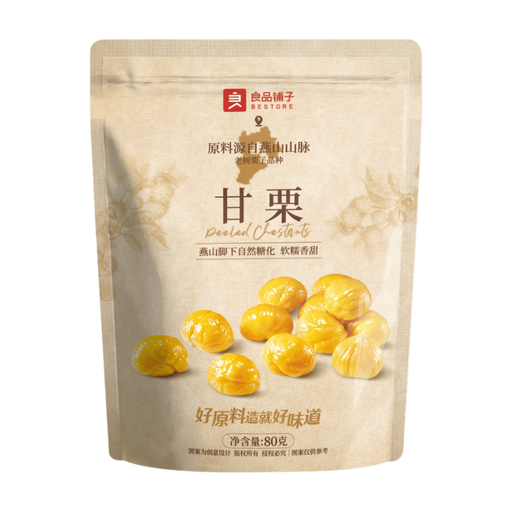
Bestore Chestnut 80g bag
An 80g chestnut bag to consider for a snack away from a run. Check the pack’s fat and carbohydrate figures and decide how much you would eat at one time.
View on Joybuy
 No image available
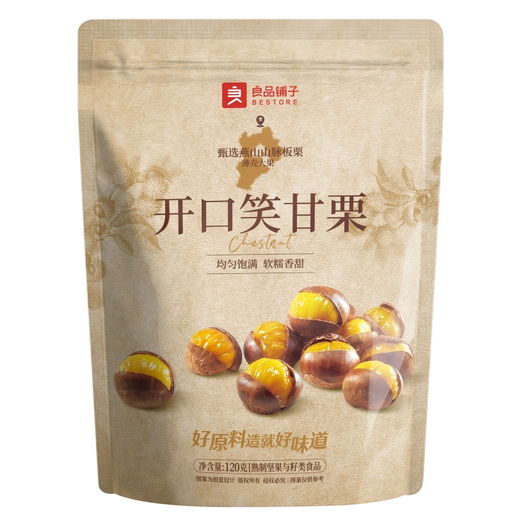
Bestore Smiling Chestnuts 120g bag
This 120g chestnut bag offers a different pack size from the Bestore 80g option. Compare nutrition per 100g, then calculate it for the portion you intend to eat.
View on Joybuy
 No image available
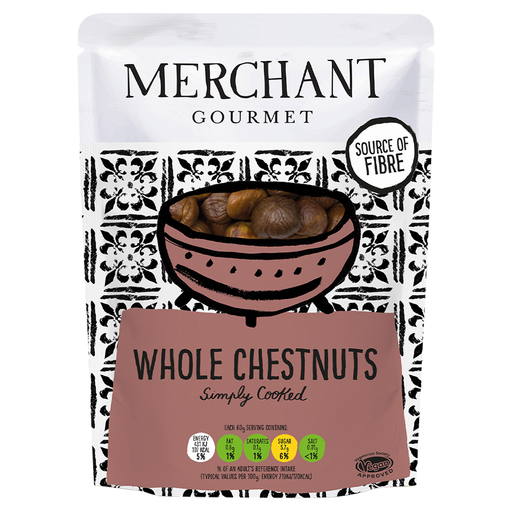
Merchant Gourmet Whole Chestnuts 180g
For a specific lower-fat chestnut comparison, Tesco Groceries labels Merchant Gourmet Whole Chestnuts low fat and lists 1.3g fat and 33g carbohydrate per 100g. Its stated 60g serving provides 19.8g carbohydrate; check whether that portion fits the meal or snack you have planned.
View on Joybuy
 No image available
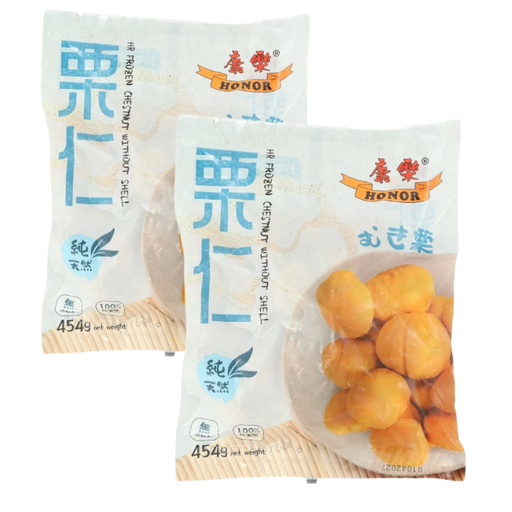
HONOR Chestnuts Without Shell 454g x 2
Two 454g packs of shelled chestnuts may suit planned meals or snacks. Check preparation, storage and nutrition instructions on the pack before choosing them for use away from home.
View on Joybuy
Frequently asked questions
Are chestnuts a lower-fat alternative to ordinary nuts?
They can be, but compare specific products rather than assuming all chestnuts have the same figures. Tesco Groceries labels Merchant Gourmet Whole Chestnuts low fat and lists 1.3g fat and 33g carbohydrate per 100g; its stated 60g serving provides 19.8g carbohydrate.
Should I choose ordinary nuts immediately before a hard run?
Do not choose them simply because they are nuts. Conventional nuts are high in fat, while the UK Sports Institute says carbohydrate needs rise as exercise gets longer or more intense. For food close to a run, consider the carbohydrate content, portion and timing, and use foods you have tolerated in training.
How do I compare reduced-fat snack labels?
Compare nutrition per 100g first, then look at the serving you expect to eat. GOV.UK says front-of-pack traffic-light labels, where present, help compare fat, saturates, sugar and salt at a glance; read the full nutrition and ingredients information as well.
Are peanuts and tree nuts the same thing on an ingredient list?
No. The Food Standards Agency describes peanuts as legumes and distinguishes them from tree nuts such as almonds, cashews and hazelnuts. Check the exact pack’s ingredients and allergen information if either category matters to you.
Can I rely on a retailer listing for the final nutrition check?
Read the current pack as the final check. Tesco Groceries cautions that ingredients, nutrition and allergen information can change when products are reformulated.


