What should you check?
Decide whether you chiefly want crunchy nuts, a defined serving or a different snack with less total fat; then compare labels on the same per-100g or per-serving basis.
| Priority | What to check | Your needs |
|---|
| Total fat and texture |
Compare total fat per 100g and the serving you plan to eat. Check whether a chestnut product has the texture you want in place of crunchy nuts. |
I want less total fat, even if that means choosing a softer snack rather than peanuts or mixed nuts. |
| Coatings and seasoning |
Read the ingredients, then compare sugars, salt and saturates on the same label basis. Marks & Spencer lists 0.03g salt per 100g for its Roasted Peanuts, compared with 0.55g salt and 15.8g sugars per 100g for its Honey Roasted Peanuts. |
Crunch matters to me, but I would rather check what a sweet or seasoned coating adds before choosing the flavour. |
| Serving size |
Check the pack size and nutrition per serving. The British Heart Foundation uses a small handful of around 30g as a practical nut serving. |
A bowl with a measured amount suits me better than keeping a sharing bag open through the film. |
| Sharing safely |
Read the ingredients and allergen information on the exact pack. The NHS says whole nuts, including peanuts, should not be given to children under 5 because of choking risk. |
When others are joining movie night, I need to check what they can eat and offer something other than whole nuts to young children. |
Joybuy product options
These options cover unsalted peanuts, chopped mixed nuts and chestnuts. Choose which format fits your movie-night plans, then check the particular pack’s label for the details that matter to you.
 No image available
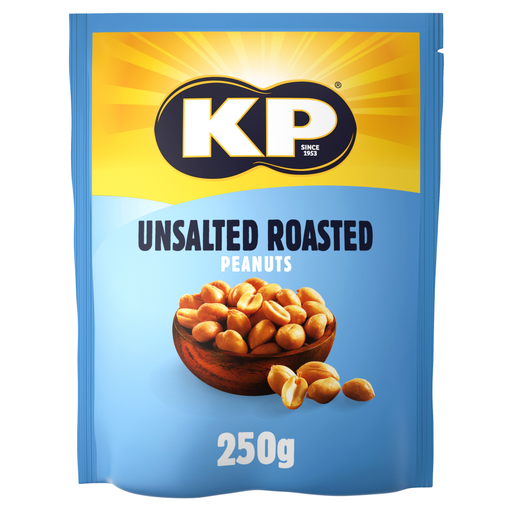
KP Snacks Unsalted Roasted Peanuts 250g
An unsalted peanut option if you want the familiar crunch of roasted nuts without choosing a salted flavour. Serve your intended portion separately; unsalted does not mean reduced fat. Contains peanuts.
View on Joybuy
 No image available
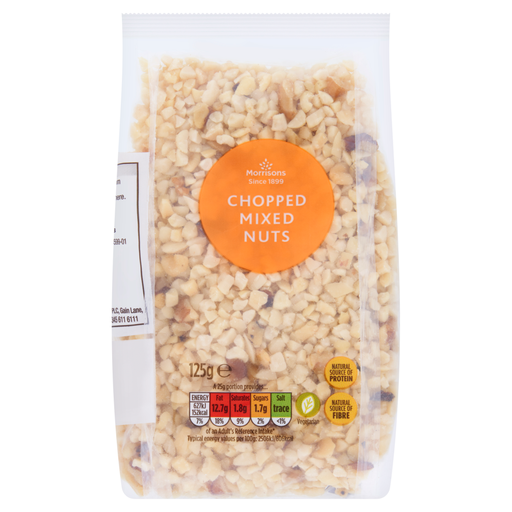
Morrisons Chopped Mixed Nuts 125g
A chopped rather than whole-nut format for serving in a small bowl. Check the exact pack for its nut ingredients and allergen information, particularly when sharing.
View on Joybuy
 No image available
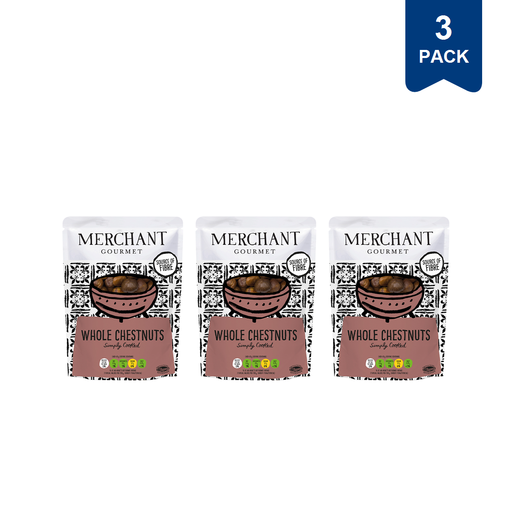
Merchant Gourmet Whole Chestnuts 180g (3 Packs)
Whole chestnuts in a three-pack bundle offer a different format to compare when total fat is your priority. Expect a softer texture than roasted peanuts and check the nutrition panel for your intended serving.
View on Joybuy
 No image available
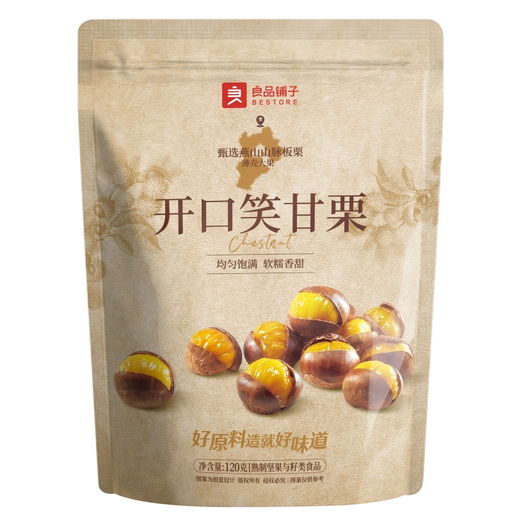
Bestore Smiling Chestnuts 120g Bag
A chestnut option in a 120g bag for comparing with conventional movie-night nuts. Check the label’s total fat and serving information, and bear in mind that chestnuts will not give you the same crunch as peanuts.
View on Joybuy
 No image available
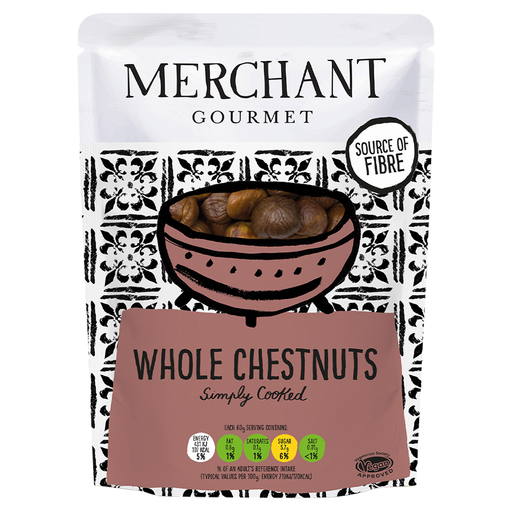
Merchant Gourmet Whole Chestnuts 180g
This single 180g whole-chestnut pack is a separate option from the three-pack bundle. Compare its label and pack size with the other chestnut options; its softer texture is the main change from crunchy nut snacks.
View on Joybuy
Questions about movie-night nuts
Are reduced-fat nuts automatically the right movie-night choice?
No. The British Heart Foundation notes that nuts contain mainly unsaturated fats, so total fat is only one part of a product comparison. Check serving size, sugars, salt and saturates too, especially when comparing plain nuts with coated varieties.
How much should I put out for one person?
A small handful of around 30g is a practical nut serving used by the British Heart Foundation. Put the amount you intend to serve in a bowl rather than eating directly from a sharing bag.
What should I compare on plain and honey-roasted nut labels?
Start with the ingredients, then compare sugars, salt, saturates and total fat on the same per-100g basis; check the per-serving figures for the amount you will eat. Where a pack has front-of-pack traffic-light labelling, it provides another way to view its fat, saturates, sugars and salt figures.
Should I check allergens on each nut or nut-mix pack?
Yes. Read the ingredients and allergen information on the exact product you plan to serve, especially if guests have told you about an allergy; do not assume two flavours or mixes contain the same ingredients.
Can young children share a bowl of whole nuts?
Do not serve whole nuts, including peanuts, to children under 5. The NHS identifies them as a choking risk for that age group.


