Shoppers planning a gym-bag portion
If you would rather pack a measured snack than eat from a larger bag, a stated serving size gives you a starting point. The KP and Sainsbury's examples use 30 g and 25 g servings respectively.


Unsalted or dry-roasted nuts are not necessarily reduced-fat: ASDA Groceries lists 15 g fat per 30 g serving of KP Unsalted Peanuts, while Sainsbury's lists 14.9 g per 25 g serving of its Unsalted Mixed Nuts. For a post-gym snack, compare fat on the same per 100 g basis, then check the serving size, energy, protein and salt figures for the amount you plan to eat.
If you would rather pack a measured snack than eat from a larger bag, a stated serving size gives you a starting point. The KP and Sainsbury's examples use 30 g and 25 g servings respectively.
An unsalted variety may fit your salt preference, but its name does not tell you how much fat or energy a serving contains. Check those figures separately.
A nut portion can be one part of what you eat after the gym. Check its stated protein and energy alongside the other food you plan to have, rather than treating the word “nuts” as a complete nutrition plan.
Start with the nutrition panel: compare products per 100 g, then look at the figures for the portion you would actually eat.
| Priority | What to check | Your needs |
|---|---|---|
| Fat and energy | Compare fat per 100 g before comparing servings of different sizes. Check energy for your intended portion; “unsalted” and “dry roasted” do not establish reduced fat. | I want to know what the label says about fat, rather than judging by the roasting style. In a 2024 Food Standards Agency and Ipsos survey of 611 people in Northern Ireland, approximately 49% reported actively using traffic-light labelling when shopping for food; that figure is not specific to nuts or gym snacks. |
| Serving size and protein | Look for protein and energy per stated serving. ASDA Groceries lists 9 g protein and 186 kcal per 30 g for KP Unsalted Peanuts; Sainsbury's lists 5.9 g protein per 25 g for its Unsalted Mixed Nuts. | A measured portion would help me compare what I am packing. Those two products use different serving sizes, so their per-serving figures are not a like-for-like comparison. |
| Salt | Read the salt value as well as the product name. Sainsbury's lists less than 0.01 g salt per 25 g serving of its Unsalted Mixed Nuts; Marks & Spencer lists 0.88 g per 100 g for its Roasted and Salted Peanuts. | If I prefer unsalted nuts, I still want to check fat and energy separately. |
| Allergens | Check the current pack for named ingredients and may-contain statements. A mixed-nut name alone does not identify every relevant warning. | Where an allergy affects my choice, I need the information on the particular pack I am buying, not just an older product listing. |
| Food after training | Check the snack's nutrition alongside the rest of your food, particularly if you are planning around a longer session or training again soon. | I want a convenient snack, but I also need to decide what else I am eating after the gym. |
Those descriptions do not replace a fat comparison. ASDA Groceries lists 15 g fat and 186 kcal per 30 g serving of KP Unsalted Peanuts; Sainsbury's lists 14.9 g fat per 25 g serving of its Unsalted Mixed Nuts.
Compare fat per 100 g for a like-for-like product check, then read the figures for the portion you intend to eat.
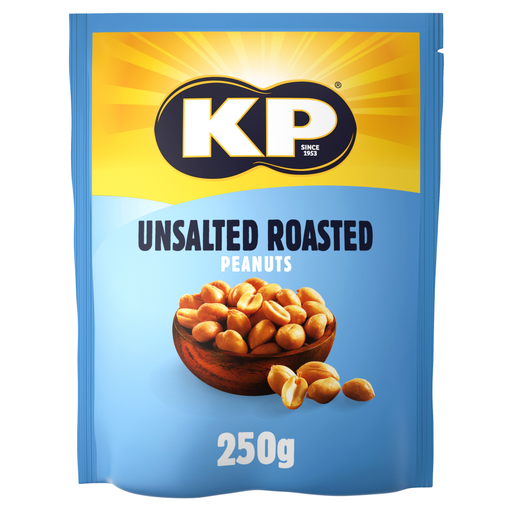
A 250 g bag of KP peanuts is much larger than its stated 30 g serving, so the per-serving panel does not describe the whole bag.
Decant the amount you plan to take, or check the serving information on a smaller pack.
Protein and energy figures for a nut serving describe that serving, not the rest of your post-training food.
If you are planning food around a longer or closely repeated session, consider the nut portion alongside what else you will eat.
The products discussed include peanuts and tree nuts, while some listings carry may-contain statements. A product name is not a substitute for the pack's ingredient and allergen information.
Check the physical pack before choosing, especially for a mixed-nut product or where an allergy affects your choice.
These examples illustrate label differences; they are not a ranking of brands or a list of products sold by Joybuy.
KP Unsalted Peanuts provide a named 30 g serving for comparing a peanut snack.
Sainsbury's Unsalted Mixed Nuts combine almonds, peanuts, hazelnuts and walnuts.
ASDA lists both KP Unsalted Peanuts and its own shell-on unsalted pistachios.
Tesco's peanut range lists unsalted, dry-roasted and salted formats, including KP Unsalted Peanuts.
M&S Roasted and Salted Peanuts provide a labelled salted example.
Planters describes an Unsalted Dry Roasted Peanuts product on its US product page; its figures should not be treated as a UK pack label.
These options include unsalted peanuts, cashews and chopped mixed nuts. Compare each pack's nutrition and allergen label before deciding which format suits your post-gym snack.
 No image available
An unsalted peanut option if salt is your main label check. For this 250 g product, ASDA Groceries lists 9 g protein, 15 g fat and 186 kcal per 30 g serving; check the pack before buying if these figures or allergen warnings affect your choice.
 No image available
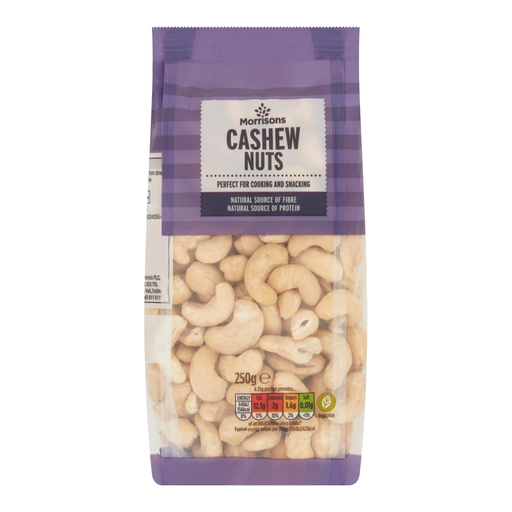
A cashew option if you would rather not choose peanuts as the main nut. Check the 250 g pack for its serving size, fat, salt and allergen information before comparing it with the peanut option.
 No image available
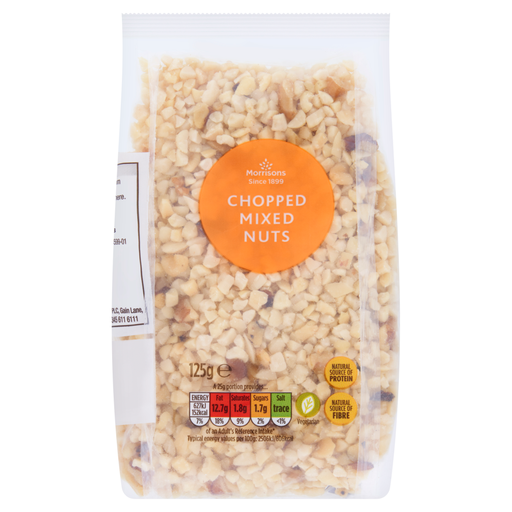
The chopped format offers a different way to pack or use mixed nuts after the gym. Check the 125 g pack's nut ingredients and nutrition panel, and measure the amount you intend to eat when comparing it with a stated serving of another product.
Not necessarily. Dry roasting describes preparation, not a fat comparison. Read fat per 100 g on the packs you are comparing, then check the figure for the portion you plan to eat.
Start with the serving size, then compare fat, energy, protein and salt. For example, ASDA Groceries lists 9 g protein, 15 g fat and 186 kcal per 30 g serving of KP Unsalted Peanuts; its unsalted name does not make it reduced-fat.
They can be a snack, but a nut serving's label tells you only what that serving provides. If you are planning food around longer or repeated training, consider it alongside the other food you expect to eat rather than assuming the nuts cover everything.
Do not choose a product containing an allergen you need to avoid. The North West Allergy Network NHS guidance advises people with peanut allergy to check ingredients; read the current pack's ingredients and may-contain information for any nut product you are considering.