People planning a tea-break portion
If you want nuts alongside a drink rather than an open-ended snack from a sharing bag, compare the pack’s serving size with the amount you intend to put in a bowl.


A small, measured portion of plain nuts is a straightforward choice if you want to avoid coatings and keep track of what you eat with afternoon tea. If you are considering a product labelled reduced fat, compare its current nutrition panel with a similar nut snack: the claim does not, by itself, mean the product is low in fat or energy.
If you want nuts alongside a drink rather than an open-ended snack from a sharing bag, compare the pack’s serving size with the amount you intend to put in a bowl.
If you usually buy honey-roasted, dry-roasted or salted varieties, check the ingredients and the sugar, saturates and salt figures as well as total fat.
If a reduced-fat claim catches your eye, use the per-100g figures to compare it with a similar product, then check what the portion you would eat contains.
Choose the kind of nut snack you want, then compare like-for-like nutrition figures and the portion you would actually eat.
Choose when: You want nuts without a flavoured coating and can set aside a portion before your break.
Bear in mind: Plain nuts can still contain substantial fat and energy; the British Heart Foundation estimates 180–225kcal in 30g, depending on the nut.
Choose when: You want to compare a lower-fat version with a similar nut snack and its current label fits your intended portion.
Bear in mind: Reduced fat is a comparison, not a promise of low total fat, energy or salt; check each figure separately.
| Priority | What to check | Your needs |
|---|---|---|
| Fat, energy and portion | Compare total fat and energy per 100g, then calculate what the pack’s stated serving or your chosen portion contains. The British Heart Foundation describes a small handful of nuts as about 30g. | I want enough for one tea break, rather than eating without measuring from a larger bag. |
| Coatings and salt | Check the ingredients, sugars, saturates and salt per 100g when comparing plain nuts with flavoured or salted versions. The British Heart Foundation notes that coatings and added salt can change these figures. | Flavour matters to me, but I also want to see what a coating or seasoning adds before choosing it. |
| Reduced-fat claim | Compare the claimed product with a similar one using their per-100g fat figures. Check energy and the other nutrition figures separately; a reduced-fat claim is not a low-fat classification. | I want to know what is reduced and whether the resulting product fits the portion I plan to eat. |
| Nutrition labels | Read the per-100g declaration before comparing products, then check the stated serving size. NHS food-label guidance lists 3g fat or less per 100g as low fat for foods. | I find the figures more useful than front-of-pack wording alone. In the Food Standards Agency and Ipsos Northern Ireland’s 2024 survey of 611 people in Northern Ireland, 49% said they actively used traffic-light labelling when shopping for food; that measures label use, not nut preferences. |
A reduced-fat claim compares products; it does not tell you that the finished snack meets the NHS low-fat threshold or that its portion contains little energy.
Compare fat per 100g with a similar product, then check energy, saturates, salt and the amount you expect to eat.
A sharing pack makes it harder to tell how much you have eaten. The British Heart Foundation estimates that 30g of nuts contains around 180–225kcal, depending on the variety.
Put the amount you want for the break into a bowl or container before opening your tea.
Salted and coated varieties can differ from plain nuts in sugars, saturates or salt. Low salt does not imply low fat: Tesco lists 58.0g fat and 0.02g salt per 100g for its Mixed Nuts 250G.
Compare the current ingredients and per-100g panel of the specific products you are considering.
Ingredients and allergen information can change, so an earlier retailer listing may not describe the pack in your hand.
Read the current pack, including its allergen and precautionary statements, before eating or serving it.
These examples show why the nutrition panel matters even for plain nuts; they are not a list of reduced-fat products or a statement about Joybuy availability.
Tesco Mixed Nuts 250G provides a plain mixed-nut example for comparing fat and salt on the same per-100g basis.
M&S lists natural-nut formats, including almonds, cashews, walnuts and Natural Nut Medley.
Mintel’s 2026 UK crisps and savoury snacks report identifies KP as a leading nuts brand by sales value in 2024/25.
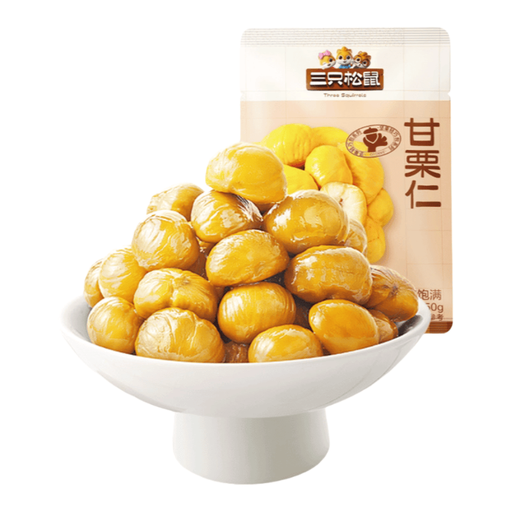
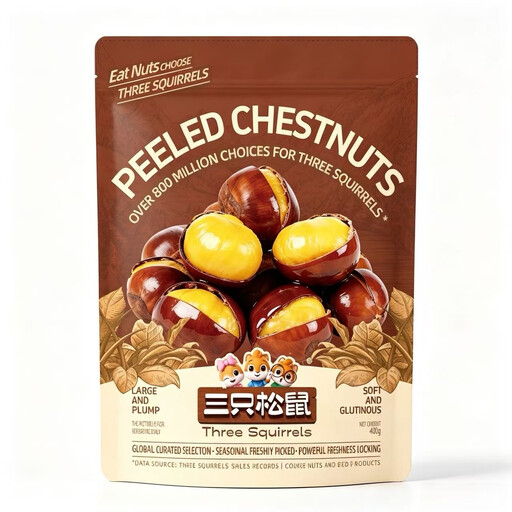
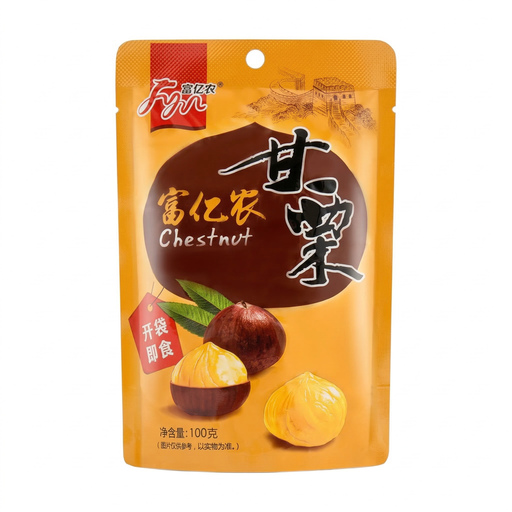
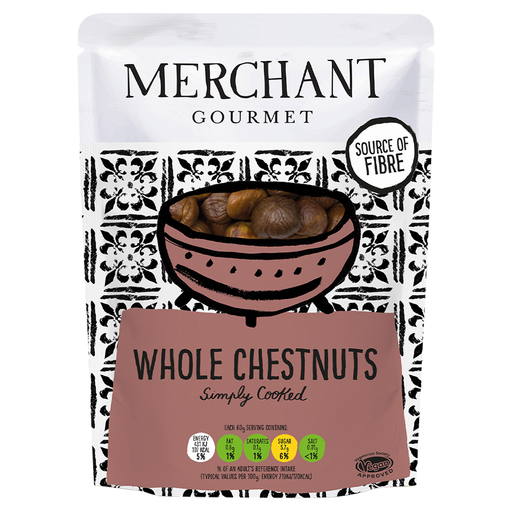
These selections include chestnut packs and an assorted-nut tin for an afternoon break. Chestnuts offer a different taste and texture from a conventional mixed-nut snack; use each pack’s current nutrition label to decide whether its fat and energy figures meet what you are looking for.
 No image available
The 50 g pack is a compact chestnut option for a tea break. Compare its current fat and energy figures with the nut snack you would otherwise choose, and check the serving size before treating the whole pack as one portion.
 No image available
If you prefer chestnuts to a conventional nut mix, this 400g pack is another format to consider. Set aside the amount you want for one break and compare the current per-100g nutrition panel with other options.
 No image available
This 100g chestnut pack suits a comparison with other chestnut or nut snacks rather than an assumption based on its name. Check the nutrition panel and decant a portion if you do not intend to eat the full pack at tea time.
 No image available
Whole chestnuts give you a different format from an assorted-nut snack. The 180g pack needs portioning if it is for more than one break; check its current nutrition, ingredients and allergen information on the pack.
 No image available
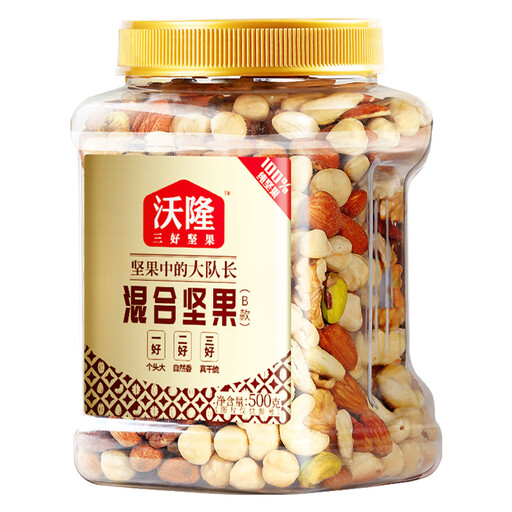
Choose this assorted-nut format if you would rather have a conventional nut mix than chestnuts. The 500g tin is larger than a tea-break portion, so decant what you intend to eat and check the current fat, energy, salt and ingredient information.
No. Reduced fat describes a comparison with a similar product, while low fat refers to the finished food’s fat content. NHS food-label guidance sets its low-fat threshold for foods at 3g fat or less per 100g, so check the product’s actual per-100g and per-portion figures.
Check how much you plan to eat against the pack’s serving size. The British Heart Foundation describes a small handful as about 30g and estimates that this amount of nuts contains roughly 180–225kcal, depending on the variety; putting a portion in a bowl makes the amount easier to see.
Start with energy, total fat, saturates, sugars and salt per 100g so the products have the same comparison basis. Then check the figures for the serving you intend to eat. NHS guidance classifies more than 17.5g fat, more than 5g saturates or more than 1.5g salt per 100g as high for foods.
Read the current pack’s ingredients, highlighted allergens and any precautionary statements rather than relying on the product name or an older online listing. Tesco lists possible peanuts and other nuts for its Mixed Nuts 250G; M&S marks Natural Nut Medley unsuitable for people with nut, peanut or sesame allergies. Those statements apply to the named products, not every item from either retailer.