People portioning nut snacks
If nuts are part of your weight-management eating plan, the amount you serve matters. The British Heart Foundation puts a 30g portion of nuts at 180–225kcal, depending on the nut.


For a nut snack while managing weight, consider a measured portion of plain, unsalted nuts rather than assuming a reduced-fat label means fewer calories in the amount you eat. If you want a spread, compare reduced-fat peanut butter with your usual spread by serving size as well as per 100g. Oxford University Hospitals NHS Foundation Trust guidance for a clinician-directed diet of 20g fat or less per day lists nuts and nut butter among foods to avoid.
If nuts are part of your weight-management eating plan, the amount you serve matters. The British Heart Foundation puts a 30g portion of nuts at 180–225kcal, depending on the nut.
If you want a spread for toast, porridge or cooking, compare the calories, fat, sugars, salt and ingredients in the amount you would use. A reduced-fat claim compares fat with another product; it does not describe the whole nutrition label.
A reduced-fat claim is not a substitute for your individual dietary instructions. Oxford University Hospitals NHS Foundation Trust lists nuts, seeds and nut butters among foods to avoid in its guidance for a clinician-directed diet of 20g fat or less per day.
Decide whether you want a snack or a spread, then compare the portion you would actually eat with the nutrition and ingredient label.
Choose when: You want a nut snack and can account for a measured portion in your eating plan.
Bear in mind: The British Heart Foundation puts 30g of nuts at 180–225kcal, depending on the nut.
Choose when: You want a spread and its serving-level label suits the amount you plan to use.
Bear in mind: Tesco labels its reduced-fat smooth peanut butter as having 30% less fat than Tesco smooth peanut butter; that comparison alone does not establish its calories per serving.
Choose when: Nuts or nut butter do not fit a clinician-directed very-low-fat diet.
Bear in mind: Check any alternative against your individual dietary instructions rather than assuming it is suitable because it contains no nuts.
| Priority | What to check | Your needs |
|---|---|---|
| Portion calories | Check calories for the amount you will serve, not just per 100g. For a conventional nut snack, measure a portion rather than eating from the bag; the British Heart Foundation puts 30g of nuts at 180–225kcal, depending on the nut. | I want to fit a nut snack into my overall eating plan without losing track of the amount. |
| Spread label | Compare peanut butters at the same serving size and per 100g. Read the calories, fat, sugars, salt and ingredients alongside any reduced-fat claim. | For toast or porridge, I want to know what my usual spoonful contributes, not just how two spreads compare on fat. |
| Added ingredients | Check whether nuts are plain, salted or coated, and read the ingredient list. Compare salt per 100g and per serving if choosing a seasoned product. | I would rather choose plain nuts when added salt or coatings do not fit what I am looking for. |
| Allergens and age warnings | Read the exact pack for peanuts, named tree nuts and any may-contain statement. Check age and choking warnings before offering whole nuts to a child. | If an allergy or a child’s safety is involved, I need the declaration and warning for this particular pack. |
| Prescribed fat restriction | Follow your individual dietary plan. Oxford University Hospitals NHS Foundation Trust lists nuts, seeds and nut butters among foods to avoid in guidance for a clinician-directed diet of 20g fat or less per day. | A reduced-fat label would not tell me whether a product fits the very-low-fat diet prescribed for me. |
Fat reduction is a comparison, not a measure of how many calories are in the portion you eat. The British Heart Foundation puts 30g of nuts at 180–225kcal, depending on the nut.
Measure out your nuts or peanut butter, then check the calories for that amount.
Salted and seasoned products have their own ingredient and nutrition labels. For example, Marks & Spencer lists 0.73g salt per 100g for its Roasted and Salted Mixed Nuts.
Check the ingredients and salt figure on the product you intend to buy rather than relying on the word “nuts” alone.
Oxford University Hospitals NHS Foundation Trust lists nuts, seeds and nut butters among foods to avoid in its guidance for a clinician-directed diet of 20g fat or less per day.
Follow the plan given by your clinician or dietitian; do not treat a relative reduced-fat claim as clearance to include nut butter.
The Food Standards Agency distinguishes peanuts, which are legumes, from tree nuts. A Joybuy whole-peanut product also warns that its kernels are not suitable for children under 4 because of their shape and size.
Read the selected pack’s ingredient, allergen, may-contain and age warnings before use.
Tesco provides an example of a reduced-fat peanut-butter spread, rather than a plain whole-nut snack.
M&S has both a natural-nut range and a roasted-and-salted mixed-nut product, illustrating why the exact product matters.
Asda describes its Health Menu as an own-label range created by its in-house nutritionists.
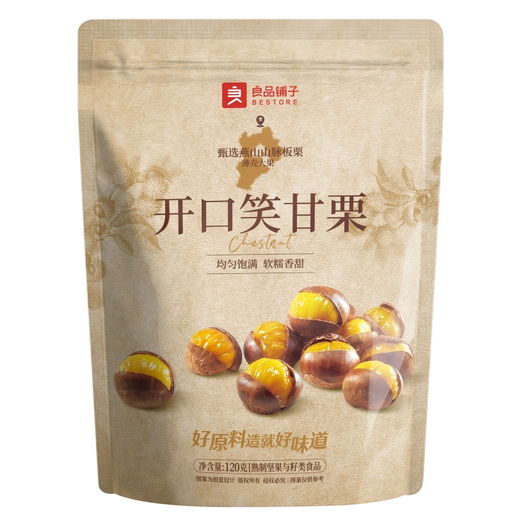
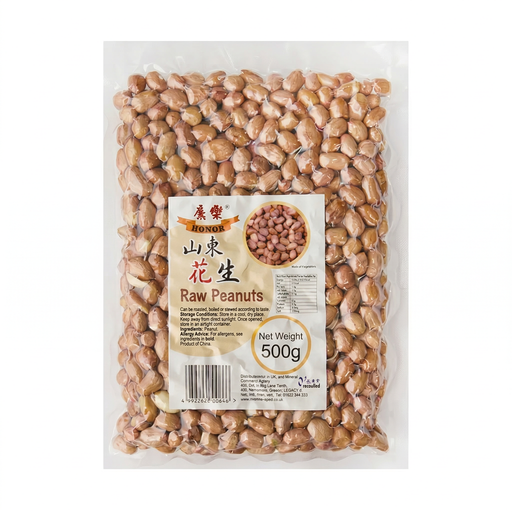
These Joybuy options are a bag of chestnuts for portioning and raw peanuts for home preparation. Neither should be treated as a substitute for checking its own nutrition label and the amount you intend to eat.
 No image available
The 120g bag can be divided into the amount you plan to eat. Check its own calories per serving rather than applying figures for other nuts to chestnuts.
 No image available
These raw peanuts are an option for home preparation, not a ready-to-eat snack. Check the pack’s preparation instructions and measure portions from the 500g bag.
Not necessarily in the amount you eat. A reduced-fat claim compares fat with another product, so check calories for your serving as well as per 100g. The British Heart Foundation puts a 30g portion of nuts at 180–225kcal, depending on the nut.
Around 30g is a practical portion to measure for conventional nuts. The British Heart Foundation puts that amount at 180–225kcal, depending on the nut; check the selected product’s label if you are tracking your intake.
No: their ingredients and nutrition labels can differ. Check the coating or seasoning and compare salt per serving and per 100g; Marks & Spencer lists 0.73g salt per 100g for its Roasted and Salted Mixed Nuts.
Do not assume it can. Oxford University Hospitals NHS Foundation Trust lists nuts, seeds and nut butters among foods to avoid in guidance for a clinician-directed diet of 20g fat or less per day. Follow your individual dietary instructions.
Yes. The Food Standards Agency distinguishes peanuts, which are legumes, from tree nuts. Read the exact product’s ingredient and may-contain statements for both rather than assuming a mixed-nut or peanut product contains only one category.