Students stocking a first-room cupboard
If you want snacks to keep on hand during move-in, check how each pack must be stored, particularly after opening. A plain or unsalted nut pack should not be mistaken for a reduced-fat option.


Choose plain or unsalted nuts if lower listed salt is your priority, but not on the assumption that they are reduced fat: Sainsbury's and Tesco list substantial amounts of fat in their unsalted or plain nut products. If reducing total fat is essential for your move-in snacks, compare the fat figures per 100g and per serving on the exact packs you are considering, including chestnut options, and check their storage and preparation instructions.
If you want snacks to keep on hand during move-in, check how each pack must be stored, particularly after opening. A plain or unsalted nut pack should not be mistaken for a reduced-fat option.
Plain or unsalted nuts are worth comparing when salt, rather than total fat, is the deciding factor. Sainsbury's Unsalted Mixed Nuts list less than 0.01g salt but 14.9g fat per 25g serving.
Check ingredients and precautionary allergen wording on every pack before bringing nuts into a shared kitchen. Agree how food will be labelled, stored and shared with the people you live with.
Decide whether total fat or salt is your main concern, then compare labels on the same per-100g basis before considering pack size and storage.
| Priority | What to check | Your needs |
|---|---|---|
| Total fat | Read the fat figure per 100g and per serving. Check any reduced-fat wording on the exact pack; neither 'plain' nor 'unsalted' describes its fat content. | I want to reduce total fat, not just avoid added salt. Sainsbury's Unsalted Mixed Nuts list 14.9g fat per 25g, while Tesco Mixed Nuts list 14.5g per 25g. |
| Salt | Compare salt using the same serving size or per-100g figures. Check whether a roasted mix includes added salt and oil. | For a lower-salt nut snack, I would compare an unsalted pack with a salted one: Sainsbury's lists less than 0.01g salt per 25g for its Unsalted Mixed Nuts and 0.09g per 25g for its Roasted Nut Mix with Sea Salt. |
| Portions and storage | Read the stated serving size, pack size and instructions for storage after opening. For chestnuts, also check whether the pack needs refrigeration, freezing or cooking. | I need a pack I can store and use in my accommodation, rather than choosing a larger one without checking what happens after it is opened. |
| Allergens | Read both the ingredient list and any 'may contain' statement on the exact pack. Check which foods can be stored or shared in your household. | In a shared kitchen, I need to know what is in the pack and whether cross-contact is flagged. The Food Standards Agency explains that precautionary allergen wording signals possible unintended allergen presence. |
Unsalted describes the salt choice, not the fat figure. Sainsbury's Unsalted Mixed Nuts list less than 0.01g salt and 14.9g fat per 25g serving.
If total fat is your deciding factor, compare the nutrition panels per 100g and per serving, and check any reduced-fat claim on the product itself.
A pack that takes longer to finish may be awkward if you cannot follow its instructions after opening.
Check whether you can reseal or transfer the contents as directed, and choose a size that fits how you will use it.
A larger opened pack can create extra storage and portioning work in a shared kitchen.
A mixed pack can contain several nuts, and a single-nut product can still carry a precautionary warning. The Food Standards Agency says 'may contain' wording communicates possible unintended allergen presence.
Read the full label, keep the pack identifiable and agree sharing arrangements with housemates. Do not offer it to someone whose allergy requirements you do not know.
Sainsbury's Roasted Nut Mix with Sea Salt includes rapeseed oil and lists 0.09g salt and 13.9g fat per 25g serving. Its flavouring does not establish a reduction in fat.
When salt or total fat matters more than that flavour, compare its label with plain or unsalted options on the same measurement basis.
These product-label examples help distinguish lower salt from lower fat; they do not describe every product in each brand's range.
Its unsalted, whole-almond and salted-mix labels provide different salt and fat figures to compare.
Its mixed-nut and cashew labels offer examples of nut packs with very low listed salt.
Its Roasted and Salted Mixed Nuts illustrate what to check when choosing a seasoned mix.
KP Snacks lists salted, dry-roasted and flavoured peanuts in its nut range.
Planters describes an Unsalted Mixed Nuts product on its own US-facing site; that page does not establish UK availability.
These options include chestnut packs to compare when total fat matters, alongside mixed nuts and almonds for shoppers whose priority is a conventional nut snack. Check each product's own nutrition and storage information before choosing; preparation needs differ.
 No image available
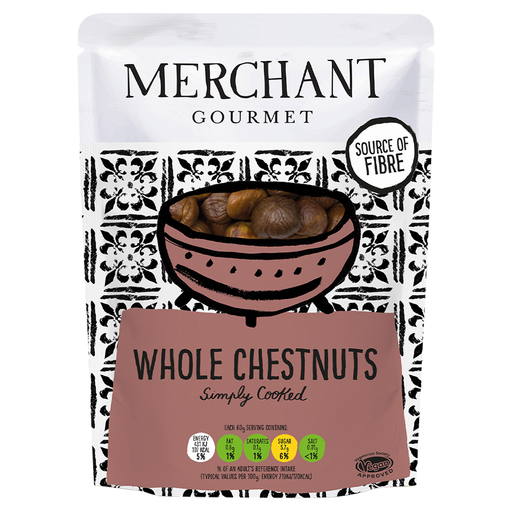
A whole-chestnut option to compare with ordinary nut packs if total fat is the deciding factor. Check the nutrition panel and allergen wording; once opened, this pouch needs refrigeration and its contents should be used within three days.
 No image available
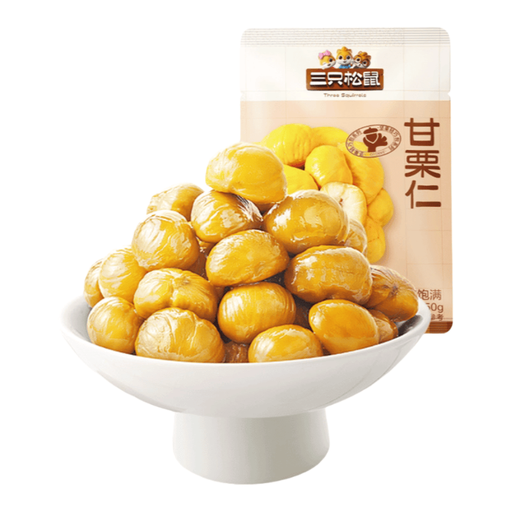
The 50 g chestnut pack is a smaller-format option for move-in days. Compare its fat and salt figures with other snacks on the same basis, and read the pack's allergen information before using it in shared accommodation.
 No image available
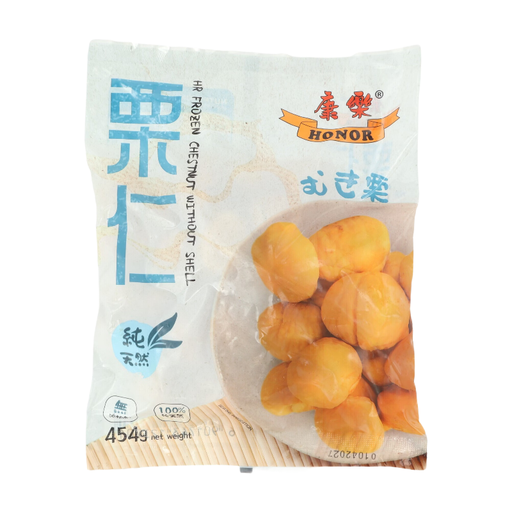
Consider this chestnut pack only if you can accommodate its preparation: it must be kept frozen at -18°C and boiled before eating. It is not a ready-to-eat snack for a move-in bag; compare its nutrition panel if total fat is your priority.
 No image available
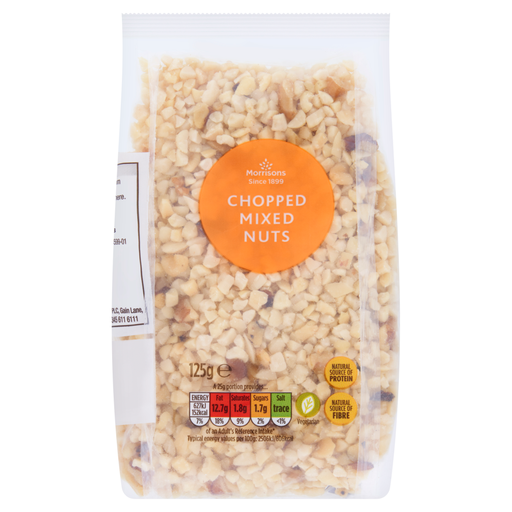
A chopped-nut option when you want a conventional nut mix rather than a chestnut pack. Do not choose it on the assumption that it is reduced fat; check its fat and salt figures and its peanut, tree-nut and precautionary allergen wording.
 No image available
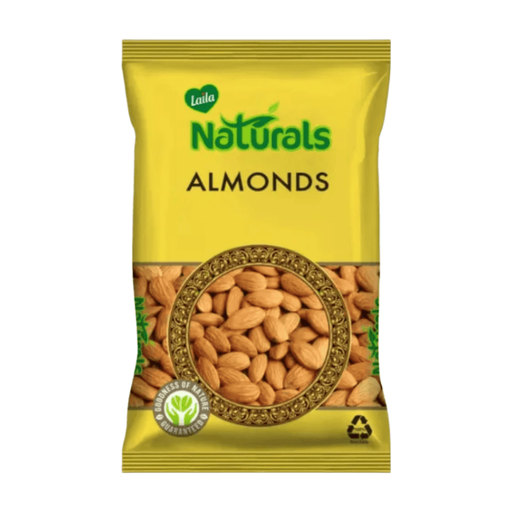
These almonds offer a single-nut alternative to a mixed pack when that format suits your cupboard or recipes. Almonds should not be assumed to be reduced fat: read the nutrition panel, storage instructions and any warning about other nuts.
No: 'unsalted' refers to salt, not total fat. Sainsbury's Unsalted Mixed Nuts list less than 0.01g salt but 14.9g fat per 25g serving. Compare the nutrition panel and any fat-related claim on the exact pack.
Choose a size you can store as directed and use comfortably after opening. Check the serving size and the pack's resealing or airtight-container instructions rather than assuming a larger bag will suit a student room.
No. Plain or unsalted products can contain the relevant allergen or carry a cross-contact warning. Read every pack's ingredients and precautionary statements; the Food Standards Agency explains that 'may contain' wording signals possible unintended allergen presence.
Follow the instructions on the particular pack, including any directions for resealing or using an airtight container after opening. Check chestnut products separately: a frozen pack and an opened pouch may have different storage requirements from an unopened cupboard pack.