Shoppers choosing a peanut spread
If peanut butter is going on toast or in sandwiches, compare a reduced-fat spread with the standard spread you would otherwise buy. Check fat and sugars per 100g as well as the ingredients.


For a weekly shop focused on reducing fat, a labelled reduced-fat peanut butter suits a ready-to-use spread, while peanut powder is a different format for recipes and drinks; compare the pack’s nutrition and ingredients before choosing either. Unsalted whole peanuts address salt instead of fat: Tesco Groceries lists KP Unsalted Peanuts at 51g fat per 100g.
If peanut butter is going on toast or in sandwiches, compare a reduced-fat spread with the standard spread you would otherwise buy. Check fat and sugars per 100g as well as the ingredients.
Unsalted whole peanuts are a different choice from a reduced-fat spread. They may suit a cupboard snack when salt is the concern, but their fat figure still matters if reducing fat is the aim.
Check the pack’s peanut and tree-nut information before sharing a product. Whole peanuts also need particular care around young children because of choking warnings.
Choose the format you will use first, then compare nutrition on the same per-100g basis and check the pack for ingredients and warnings.
Choose it when: You want a spread ready for toast or sandwiches.
Bear in mind: Tesco Groceries lists 35.1g fat and 14.5g sugars per 100g for its Reduced Fat Smooth Peanut Butter, so the relative fat claim is not the whole nutrition picture.
Choose it when: A powder works in baking, porridge or drinks instead of a ready-made spread.
Bear in mind: Its texture and preparation differ from peanut butter; use the particular pack’s nutrition panel for any numerical comparison.
Choose them when: You want a whole-peanut snack and salt, rather than fat, is the priority.
Bear in mind: Tesco Groceries lists KP Unsalted Peanuts at 51g fat per 100g; unsalted does not mean reduced-fat.
| Priority | What to check | Your needs |
|---|---|---|
| Fat comparison | Read what a reduced-fat claim compares with. Compare fat and energy per 100g on products you would use in the same way. | I want to reduce fat without mistaking a comparison with standard peanut butter for a claim that the spread itself is low in fat. |
| Ingredients and sugars | Read the ingredient list and sugars per 100g. Tesco Groceries lists dried glucose syrup and maltodextrin in its Reduced Fat Smooth Peanut Butter, alongside 14.5g sugars per 100g. | For a spread I buy regularly, I want to know what else changes alongside the fat content. |
| Salt versus fat | Check both figures: Tesco Groceries lists less than 0.01g salt per 30g serving of KP Unsalted Peanuts, but 15g fat in that serving. | Unsalted peanuts fit my snack plans if salt is the concern; they do not meet a reduced-fat goal. |
| Pack warnings | Check ingredients, precautionary allergen wording and any age warning on the actual pack. The Food Standards Agency distinguishes peanuts from tree nuts. | I need to know whether everyone who might eat the product can have its ingredients, and whether whole peanuts are appropriate around young children. |
A reduction is a comparison. Tesco Groceries lists 35.1g fat per 100g for its Reduced Fat Smooth Peanut Butter, even though the product says it has 30% less fat than Tesco smooth peanut butter.
Check the named comparison, then read fat, energy and sugars on the nutrition panel.
Salt and fat are separate considerations: Tesco Groceries lists KP Unsalted Peanuts at less than 0.01g salt per 30g serving and 51g fat per 100g.
Choose whole unsalted peanuts for the salt-related snack preference, not as a reduced-fat substitute.
Tesco Reduced Fat Smooth Peanut Butter also lists dried glucose syrup, maltodextrin, palm oil and salt among its ingredients.
Compare the ingredients and sugars alongside fat. If a powder suits your recipe instead, check that particular pack before comparing its nutrition.
Marks & Spencer advises shoppers that product information can change. An earlier listing may not describe the pack you receive.
Read the delivered pack’s ingredients, allergen statements, nutrition and date before use, especially when a household member must avoid an ingredient.
These examples illustrate different peanut-product formats; they are not interchangeable reduced-fat choices.
Its Reduced Fat Smooth Peanut Butter is an example of a labelled reduced-fat spread.
KP Unsalted Peanuts provide a whole-peanut snack option for shoppers comparing salt.
Its Roasted and Salted Peanuts show why a conventional salted snack needs its own nutrition check.
Planters Protein Nuts Mix is a mixed-nut snack rather than a reduced-fat spread or powder.
This unsalted whole-peanut option is for a snack choice centred on salt. It is not a reduced-fat spread or powder.
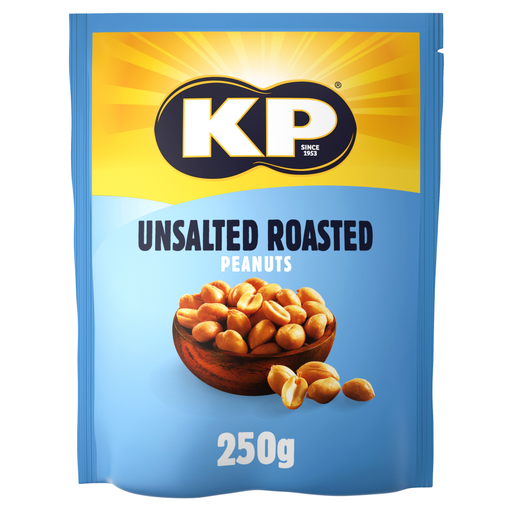 Image unavailable
Consider these whole peanuts if an unsalted snack is the aim, not if you need a reduced-fat product. Tesco Groceries lists less than 0.01g salt and 15g fat per 30g serving of KP Unsalted Peanuts, with 51g fat per 100g. Check the pack for allergen information and its warning about choking in small children.
No: a reduced-fat claim describes a comparison, not the product’s fat content on its own. Tesco Groceries says its Reduced Fat Smooth Peanut Butter has 30% less fat than Tesco smooth peanut butter and lists 35.1g fat per 100g, so read the full nutrition panel when choosing.
No. Tesco Groceries lists less than 0.01g salt but 15g fat per 30g serving of KP Unsalted Peanuts. They address a salt preference rather than a fat-reduction goal.
No. The Food Standards Agency distinguishes peanuts, which are legumes, from tree nuts such as almonds and cashews. Check both the ingredients and any precautionary ‘may contain’ statement on the particular pack.
Read the product’s age and choking warning rather than assuming whole peanuts are suitable. Tesco Groceries warns that small children can choke on KP peanuts, while Marks & Spencer says its Roasted and Salted Peanuts are not suitable for children under 36 months.
The pack is the information to use for the product in hand: Marks & Spencer notes that online food details can change. Recheck ingredients, allergens and nutrition before use, particularly when a specific ingredient matters to your household.