Choose a reduced-fat peanut spread or peanut powder when you want peanut flavour in a meal or snack and are comparing its fat content with an ordinary peanut product. That choice does not, by itself, settle what to carry on a ride: British Cycling suggests considering additional fuel for commutes longer than an hour, so check carbohydrate content, portability and what you tolerate in training. Whole nuts offer another snack format, but they are not automatically reduced-fat.
Who is this choice for?
Cyclists comparing spreads for meals
If you want peanut flavour in breakfast or a packed lunch while reducing fat, compare the current per-100g labels of a reduced-fat spread and an ordinary peanut butter. Check the ingredients as well as the claim on the front of the pack.
Riders planning food for longer rides
A nut product may be a snack, but its fat claim does not tell you whether it fits your on-bike fuelling plan. British Cycling suggests considering additional fuel when a commute lasts longer than an hour and advises trying planned event food during training.
Buyers choosing an off-bike nut snack
If you prefer whole nuts or a short ingredient list, check the exact mix, salt declaration and fat per 100g. A simple ingredient list does not mean the product is reduced-fat.
What should you check?
Decide whether the food is for a meal, an off-bike snack or the ride itself; then compare labels for that use.
Reduced-fat peanut butter
Consider it: When you want a spread for a meal and a lower-fat comparison with an ordinary peanut butter.
Check: The reduced-fat claim is product-specific; read the full ingredient list and nutrition label.
Peanut powder
Consider it: When a dry peanut ingredient suits food you prepare before or after riding.
Check: How it needs to be prepared, and use the current pack label for any precise nutrition calculation.
Whole nuts
Consider them: When you want a ready-to-eat nut snack rather than a spread or powder.
Check: Whole-nut examples are not reduced-fat, so assess them separately from your ride-fuelling plan.
| Priority |
What to check |
Your needs |
| Reducing fat |
Compare fat per 100g on the exact packs. Tesco Groceries describes its reduced-fat peanut butter as having 30% less fat than Tesco smooth peanut butter; that claim is not a comparison with every spread or nut. |
I want peanut flavour in a meal while comparing a specifically reduced-fat product with the spread I would otherwise use. |
| Ride fuelling |
Check carbohydrate per serving, the amount you can carry and when you intend to eat it. British Cycling suggests considering additional fuel for commutes longer than an hour and advises using training to try planned event food. |
For a longer ride, I need food that fits my fuelling plan and that I have tried during training—not just a reduced-fat label. |
| Format and ingredients |
Check whether the product is ready to eat, spreadable or needs mixing. Read the ingredient list: Sainsbury’s lists only peanuts in its 100% Crunchy Peanut Butter, while Tesco Groceries Marketplace describes PBfit Pure Peanut Powder as pressed roasted peanuts. |
A spread works for my sandwich, whereas a powder makes more sense when I am preparing a meal or drink. |
| Whole-nut labels |
Compare fat and carbohydrate on the same per-100g basis. Tesco Groceries lists 58.0g fat and 8.4g carbohydrate per 100g for Tesco Mixed Nuts; those figures describe that product, not all nut mixes. |
For an off-bike snack, I want whole nuts, but I will not assume they meet my fat-reduction goal or replace my planned ride food. |
| Salt and allergens |
Read the current pack’s salt value, ingredients and allergen declaration for the exact variant. Check a mixed nut product’s contents rather than relying on its category name. |
I want to choose a snack with a salt level that suits me and avoid ingredients or allergen warnings relevant to my household. |
Common buying mistakes
-
Using “reduced fat” as a ride-fuel test
A lower-fat peanut product does not tell you how much carbohydrate you will eat or whether its format works on the bike. British Cycling suggests considering additional fuel on commutes longer than an hour.
Decide first whether the food is for a meal, a snack or the ride. Check its carbohydrate content for your planned portion and try intended ride food during training.
-
Comparing claims without comparing labels
Tesco Groceries’ 30%-less-fat statement compares its reduced-fat peanut butter with Tesco smooth peanut butter. It does not establish how that spread compares with every peanut butter, powder or whole-nut snack.
Compare the current per-100g nutrition panels, then look at the ingredients and the portion you expect to eat.
-
Assuming whole nuts are reduced-fat
Tesco Groceries lists 58.0g fat per 100g for Tesco Mixed Nuts, and Marks & Spencer lists 56.2g per 100g for its Natural Nut Medley. Neither figure makes those products a reduced-fat alternative.
Choose whole nuts for the format and flavour if those suit your snack, but compare a specifically reduced-fat product when lowering fat is the deciding aim.
-
Relying on an older product description
A changed recipe or nut mix can change the information that matters to your choice, particularly ingredients and allergen declarations.
Check the current pack for the exact product before eating it, and confirm the listed product details when ordering.
Brand and retailer examples
These named products illustrate different formats and label comparisons; the figures apply to the specified products, not to every item from each retailer.
Tesco
A comparison between a specifically reduced-fat spread and a conventional whole-nut snack.
- Tesco Groceries describes Tesco Reduced Fat Peanut Butter as having 30% less fat than Tesco smooth peanut butter.
- Tesco Mixed Nuts list 58.0g fat per 100g; the whole-nut product is not the reduced-fat spread.
Sainsbury’s
An example for comparing ingredient simplicity with a separate fat-reduction goal.
- Sainsbury’s lists peanuts as the sole ingredient in its 100% Crunchy Peanut Butter.
- That product lists 49.8g fat per 100g and is not labelled as reduced-fat.
Asda
A conventional smooth peanut butter to examine when comparing per-100g labels.
- Asda Groceries lists 50g fat per 100g for Asda Smooth Peanut Butter.
- Do not assume an ordinary smooth peanut butter meets a reduced-fat aim; compare the exact products you are considering.
M&S
A whole-nut mix to consider as a snack format rather than a reduced-fat peanut product.
- Marks & Spencer lists 56.2g fat per 100g for Natural Nut Medley, giving a product-specific figure for comparison.
- Check the current mix and allergen declaration before choosing it for anyone who needs to avoid particular nuts.
Whole-nut snacks on Joybuy
These are nut and peanut snacks for considering alongside the meal and ride-fuelling choices above. They are not presented as substitutes for a reduced-fat peanut spread or powder; use each current pack label to assess the nutrition and ingredients that matter to you.
 No image available
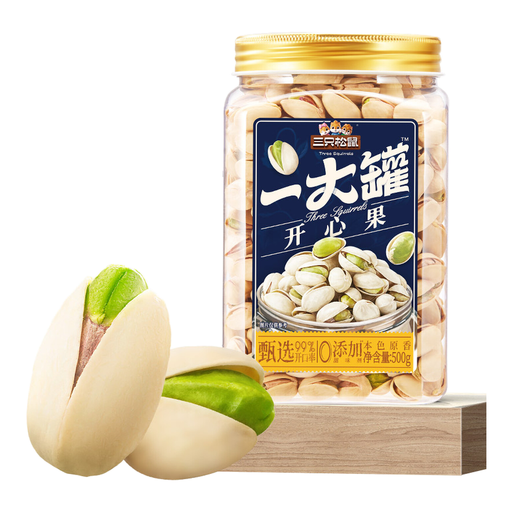
Three Squirrels Pistachios 500g
A whole-nut option for an off-bike snack. Pistachios in this pack are not a reduced-fat peanut product; check the current nutrition and salt values if either affects your choice.
View on Joybuy
 No image available
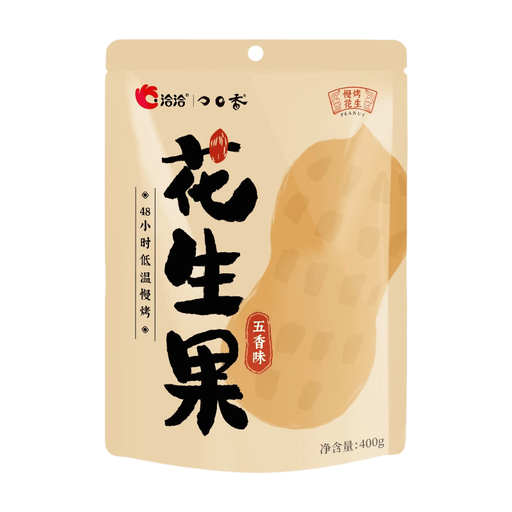
ChaCha KouKou Xiang Five Spice Peanuts 400g
A seasoned peanut snack for eating away from the bike. It is not a reduced-fat option; check the pack’s fat, salt, seasoning ingredients and allergen declaration.
View on Joybuy
 No image available
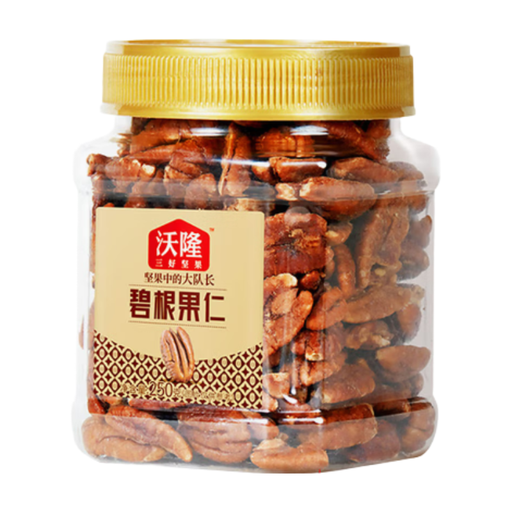
Wolong Pecan Kernels 250g
A pecan snack to consider for off-bike eating rather than as a reduced-fat product. Read the current ingredient and nutrition panels if added ingredients or fat content matter to you.
View on Joybuy
 No image available
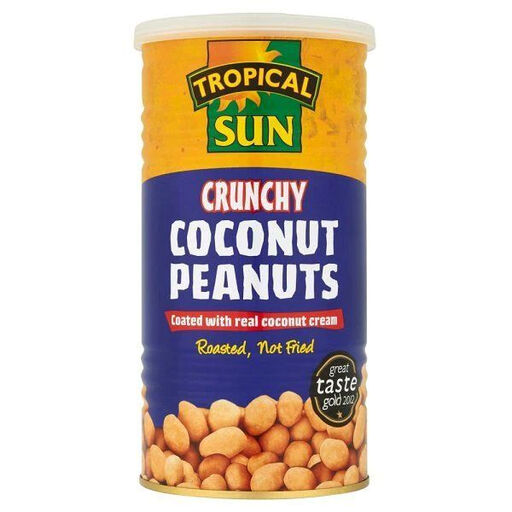
Crunchy Coconut Peanuts 330g
A coconut peanut snack rather than a plain whole-nut, spread or powder format. Check fat, carbohydrate and sugars on its current label before deciding whether it fits a planned snack or ride portion.
View on Joybuy
 No image available
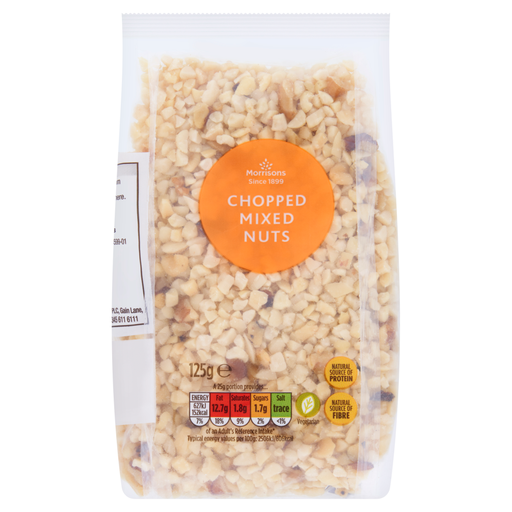
Morrisons Chopped Mixed Nuts 125g
A chopped mixed-nut format for adding to an off-bike meal or snack. It is not a reduced-fat product; check the current pack for the exact nut mix, allergens, fat and salt.
View on Joybuy
Questions about cycling and nuts
Is a reduced-fat peanut product suitable as my main fuel on a long ride?
A reduced-fat claim alone cannot answer that. British Cycling suggests considering additional fuel for commutes longer than an hour and advises trying planned event food during training; check a product’s carbohydrate per portion, portability and how it works for you on training rides.
Is reduced-fat peanut butter simply 100% peanut butter with less fat?
Do not assume the ingredient lists are the same. Sainsbury’s lists only peanuts in its 100% Crunchy Peanut Butter and 49.8g fat per 100g; Tesco Groceries describes its reduced-fat peanut butter through a 30%-less-fat comparison with Tesco smooth peanut butter. Read both current labels to compare their ingredients and nutrition.
Can I plan an exact serving from a peanut powder’s online listing?
Use the current pack’s nutrition panel for an exact calculation. Tesco Groceries Marketplace describes PBfit Pure Peanut Powder as pressed roasted peanuts, but that description alone does not give you the values needed to calculate the nutrition in your portion.
Can I judge nut allergens from the product name?
No. Check the current pack’s ingredients and allergen declaration for the exact product, including any relevant warnings; a name such as “mixed nuts” does not identify every ingredient or possible cross-contact statement.


