If reducing total fat is the priority, compare a powdered peanut product with the alternatives and choose it only if mixing it and adding it to lunch are practical. A reduced-fat spread is easier to use with bread or crackers, while unsalted whole peanuts need no preparation but are not a reduced-fat choice.
Who each format suits
Desk workers seeking less fat in a peanut-based lunch
A powdered peanut product is worth comparing if you can mix it and use it with bread, crackers or another part of lunch. Check its fat per 100g and per intended serving against the product you would otherwise buy.
No-prep snackers focused on salt
Unsalted whole peanuts can be eaten straight from the pack. They address a different priority from reducing total fat, so check the serving size rather than treating “unsalted” as a reduced-fat claim.
Shoppers checking peanut and other allergens
Read the current pack’s ingredients and precautionary allergen wording for the exact product, including any “may contain” statement. A change in fat content does not remove peanut from a peanut product.
What to check before choosing
Start with the fat information for the portion you intend to eat, then check whether the format works with the time and food available at your desk.
Powdered peanut product
Choose when: Reducing fat takes priority and you can prepare the powder as part of lunch.
Trade-off: It needs mixing and is not a whole-nut snack you can eat straight from the packet.
Reduced-fat peanut spread
Choose when: You want a spread for an existing lunch base and the exact product is available.
Trade-off: “Reduced fat” describes a comparison with another product, not the nutrition of the finished lunch.
Unsalted whole peanuts
Choose when: Eating without preparation matters more than reducing total fat.
Trade-off: Unsalted peanuts remain conventional whole peanuts, not a reduced-fat alternative.
| Priority | What to check | Your needs |
|---|
| Total fat |
Compare fat per 100g and per intended serving. Check what a “reduced fat” claim compares with; Tesco describes its Reduced Fat Peanut Butter as 30% lower in fat than Tesco smooth peanut butter. |
If cutting total fat is my main aim, I need to compare the actual products and portions, not rely on “unsalted” or “reduced fat” alone. |
| Preparation |
Check whether you have water, a spoon and a food base. Holland & Barrett’s instructions for PPB powder call for mixing 2 tablespoons with approximately 12g water; whole peanuts need no mixing. |
With only a short break, I want to know whether I can assemble lunch at my desk or need something ready to eat. |
| Full portion |
Read the serving size as well as the per-100g figures, then include bread, crackers or other foods used with a powder or spread. ASDA Groceries lists 15g fat per approximately 33g serving of ASDA Peanuts. |
A spoonful of spread or powder is only one part of my lunch; I want the comparison to reflect what I will actually eat. |
| Allergens |
Read the exact pack’s ingredient list and precautionary wording. GOV.UK’s guidance identifies peanuts among the allergens for which food businesses must provide information. |
If I am buying for someone with a relevant allergy, I need the current product’s allergen information before choosing or sharing it. |
Common buying mistakes
-
Reading “unsalted” as “reduced fat”
Removing or omitting salt does not establish a reduction in total fat. ASDA Groceries lists 15g fat per approximately 33g serving of its plain peanuts.
Choose unsalted peanuts for their no-prep format if that is the priority. For a fat comparison, use the nutrition panels of the exact products and intended servings.
-
Judging a spread without its lunch base
A reduced-fat peanut spread still needs something to spread it on. Tesco’s stated 30% fat reduction is relative to its smooth peanut butter, not a claim about a sandwich or snack assembled with it.
Check the current jar’s ingredients, nutrition panel and availability, then consider the portion alongside the bread, crackers or other food you plan to use.
-
Treating peanut powder as a ready-to-eat snack
PPB powder is intended to be mixed with water, which adds a preparation step during a short lunch break.
Plan for water, a spoon and a suitable lunch base. If you cannot prepare food, a ready-to-eat option is more practical, though whole peanuts do not meet a reduced-fat objective.
-
Skipping the allergen statement
A reduced-fat description does not change a peanut product’s allergen identity. Other ingredients or precautionary statements may also differ between products.
Check the current physical pack before buying or sharing food for anyone with a relevant allergy; do not substitute a general category description for the exact label.
Relevant brand references
These examples illustrate different peanut formats; a brand reference does not mean every product in its range has the same ingredients or nutrition.
KP
KP Unsalted Peanuts are a ready-to-eat whole-peanut option when preparation matters more than reducing fat.
- ASDA Groceries lists 9g protein per 30g serving of KP Unsalted Peanuts.
- The same serving lists 15g fat, so this is not a reduced-fat substitute. Check the pack for its full allergen information.
Tesco
Tesco Reduced Fat Peanut Butter is a spread rather than a whole-nut desk snack.
- Tesco describes this specific product as having 30% less fat than Tesco smooth peanut butter.
- The reduction is relative to that comparator. Check the exact jar’s portion, ingredients and current availability before planning lunch around it.
ASDA
ASDA Peanuts illustrate the plain whole-peanut route rather than a specifically reduced-fat format.
- ASDA Groceries lists jumbo blanched peanuts as the ingredient in this product.
- Its approximately 33g serving lists 15g fat, so compare portions if reducing fat is the deciding factor.
Joybuy products for a desk lunch
These Joybuy options cover a ready-to-eat peanut-flavoured bar and unsalted whole peanuts. Check the bar’s current nutrition panel before treating it as a reduced-fat choice; the whole peanuts are for a different, no-prep priority.
 No image available
Nakd Peanut Delight 4 x 35g
The bar format can be eaten without mixing or spreading. This pack contains four 35g bars; check the current pack’s fat per 100g, serving information and allergen statement before choosing it for a reduced-fat lunch.
View on Joybuy
 No image available
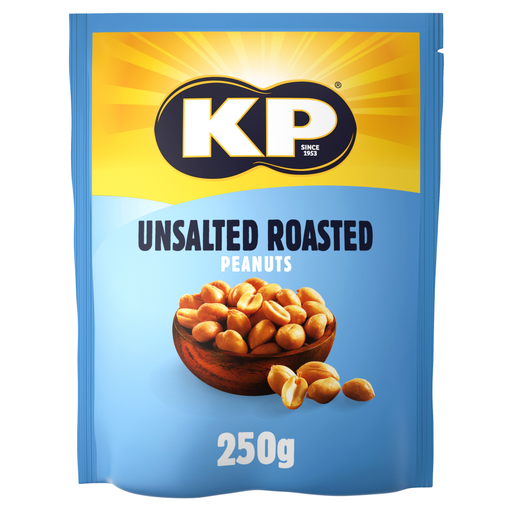
KP Snacks Unsalted Roasted Peanuts 250g
These roasted peanuts require no preparation, but they are not a reduced-fat product. ASDA Groceries lists 15g fat per 30g serving of KP Unsalted Peanuts; check the current pack’s nutrition and allergen information for this item.
View on Joybuy
Frequently asked questions
Are unsalted peanuts reduced in fat?
No: “unsalted” addresses salt, not total fat. ASDA Groceries lists 15g fat per approximately 33g serving of ASDA Peanuts, so choose whole peanuts for their ready-to-eat format rather than assuming they meet a reduced-fat goal.
How would I use peanut powder at a desk?
Mix it only where you have the preparation facilities and a suitable food base. Holland & Barrett’s instructions for PPB powder call for 2 tablespoons of powder mixed with approximately 12g water; allow for a spoon and something to eat it with.
Does “reduced fat” tell me the calories or ingredients?
No. Tesco describes its Reduced Fat Peanut Butter as 30% lower in fat than Tesco smooth peanut butter, but that comparison does not describe the finished lunch. Read the exact product’s ingredients, energy information and intended serving alongside anything you will eat with it.
Which allergen information should I check?
Check the current pack’s ingredients and any precautionary “may contain” wording for the exact peanut product. GOV.UK’s guidance identifies peanuts among the allergens for which food businesses must provide consumer information; a reduced-fat label is not a substitute for that check.


