Dry-roasted peanuts are convenient to hand out, but the KP and M&S products checked each list 47g fat per 100g; roasting style alone does not make them reduced fat. If reducing fat is the priority, Tesco Reduced Fat Peanut Butter is a spread with a stated comparison to Tesco smooth peanut butter, while PBfit peanut powder has a different, preparation-dependent format. For food offered for sale, how it is packed and served also affects the allergen information you need to provide.
Who is each format for?
Sellers prioritising a lower-fat peanut format
A spread or powder may fit a prepared refreshment, but neither replaces a packet of whole peanuts without changing how the food is served. Compare fat figures per 100g and check any reduced-fat claim against the product it names.
Hosts needing ready-to-eat portions
Sealed peanut portions avoid making a dip or filling cups at the event. They still need to be chosen on their own nutrition and allergen labels, rather than assumed to be reduced fat because they are dry roasted.
People selling peanut refreshments
Keeping manufacturer packaging makes ingredients and allergens easier for customers to inspect. If you prepare, repack or sell food as a food business, check the rules for its packaging and serving format before the event.
What should you check before buying?
Decide first whether the refreshment must be ready to hand out. Then compare like-for-like nutrition information and plan how customers will receive ingredient and allergen details.
| Priority |
What to check |
Your needs |
| Fat claim and format |
Read fat per 100g and the basis of any reduced-fat claim. Tesco Groceries lists 35.1g per 100g for its Reduced Fat Peanut Butter and states 30% less fat than Tesco smooth peanut butter; its PBfit powder listing gives 13g per 100g. Both are different formats from whole nuts. |
I want to reduce fat, but I can serve a spread or a prepared food rather than hand out whole peanuts. |
| Ready-to-eat portions |
Check whether packs are individually portioned or a larger bag needs serving equipment. KP Nuts lists a 5 x 30g dry-roasted multipack; its dry-roasted peanuts have 47g fat per 100g. |
At a busy stall, I would rather hand over a sealed portion than prepare a dip or fill cups. |
| Ingredients and allergens |
Read each product’s ingredient and allergen declaration, including any precautionary statements. For food sold by a food business, the information required also depends on whether it is prepacked, prepacked for direct sale or non-prepacked, according to GOV.UK guidance. |
Customers need to know what is in the peanut refreshment before accepting it, especially if I have changed its original packaging. |
| Young children |
Check product-specific age warnings. Marks & Spencer labels its dry-roasted peanuts as unsuitable for children under 36 months because of a potential choking hazard. |
If families with very young children attend, I need an alternative to whole peanuts for that age group. |
Mistakes to avoid
-
Calling dry-roasted peanuts reduced fat
The KP and M&S dry-roasted peanuts checked by KP Nuts and Marks & Spencer each list 47g fat per 100g. The roasting description does not establish a reduced-fat comparison.
Check the nutrition panel and any explicit comparative claim before describing a product as reduced fat.
-
Buying powder or spread for a grab-and-go snack
PBfit peanut powder and Tesco Reduced Fat Peanut Butter are not sealed portions of whole peanuts. Serving them as refreshments calls for a different preparation and serving plan.
Choose these formats only if a prepared food, spread or dip works at the event; otherwise select a ready-to-eat pack without presenting it as reduced fat.
-
Repacking peanuts without their allergen details
Customers may lose access to the original ingredient declaration. GOV.UK guidance distinguishes allergen-information requirements for non-prepacked food from ingredient and allergen labelling for food prepacked for direct sale by a food business.
Keep manufacturer-sealed packs where practical. Before preparing or repacking food for sale, establish which packaging category applies and provide the required information.
-
Offering whole peanuts to every age group
Marks & Spencer warns that its dry-roasted peanuts are unsuitable for children under 36 months because of a potential choking hazard.
Do not offer whole peanuts to that age group; plan a non-whole-nut alternative if refreshments are intended for young children.
Brand and retailer references
KP
KP Nuts lists dry-roasted peanuts in several pack sizes, including a 5 x 30g multipack for individual portions.
- The multipack offers sealed, ready-to-eat portions.
- KP Nuts lists 47g fat and 1.7g salt per 100g for its dry-roasted peanuts; the format is not evidence of a reduced-fat claim.
Tesco
Tesco Groceries lists a Reduced Fat Peanut Butter and a PBfit peanut-powder product. These are spread and powder formats, not whole-nut snack packs.
- Tesco states that its Reduced Fat Peanut Butter has 30% less fat than Tesco smooth peanut butter and lists 35.1g fat per 100g.
- PBfit powder needs a preparation and serving method; both products still require attention to peanut allergens.
M&S
Marks & Spencer lists both dry-roasted peanuts and a 100% crunchy peanut butter, illustrating the difference between a ready-to-eat snack and a spread.
- Its published nutrition panels allow comparison per 100g: 47g fat for the dry-roasted peanuts and 44.6g for the crunchy peanut butter.
- Neither figure establishes a reduced-fat claim for the product; the peanut butter is not a whole-nut hand-out.
Ready-to-eat peanut options on Joybuy
These peanut snacks cover sealed individual packs and larger bags for car boot sale refreshments. Choose by serving format and the product’s own label; a coated, unsalted or dry-roasted description is not itself a reduced-fat claim.
 No image available
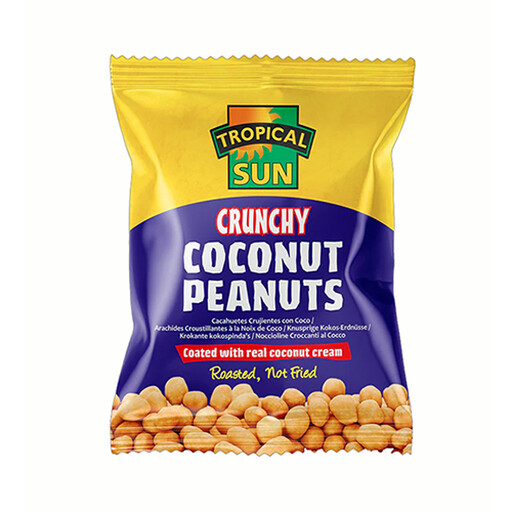
Tropical Sun Crunchy Coconut Peanuts (Clip Strip) 50g
A 50g coconut-flavoured peanut pack for serving without preparing a spread or dip. Check its nutrition and allergen label if a reduced-fat claim or particular ingredients matter to your selection.
View on Joybuy
 No image available
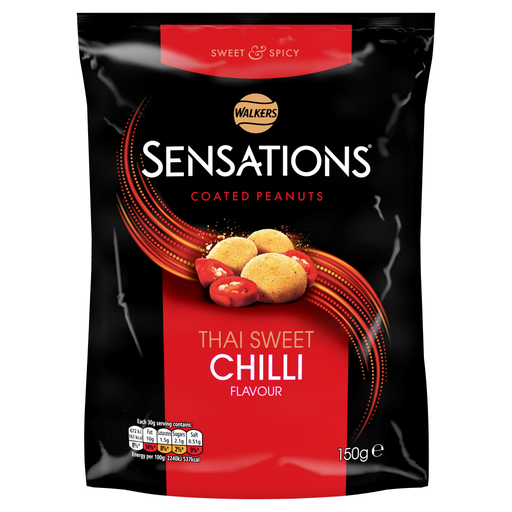
Walkers Sensations Thai Sweet Chilli Coated Peanuts 150g
A 150g bag of coated peanuts for a shared serving rather than separate hand-out packs. Check the nutrition and ingredient label before describing it as reduced fat or serving it to customers with allergen concerns.
View on Joybuy
 No image available
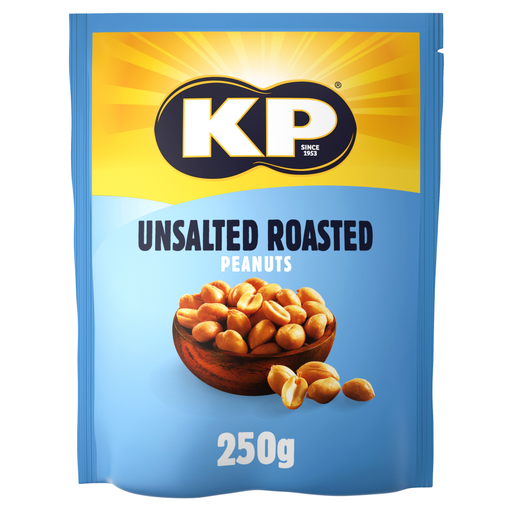
KP Snacks Unsalted Roasted Peanuts 250g
Unsalted roasted peanuts in a 250g pack for a ready-to-eat option. Unsalted does not mean reduced fat; use the pack’s fat declaration if that is your deciding factor.
View on Joybuy
 No image available
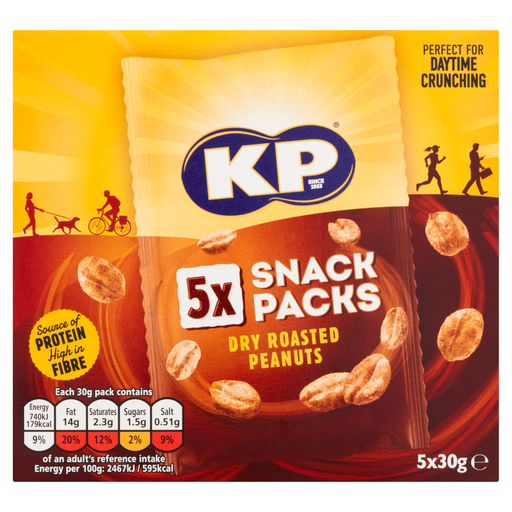
KP Snacks Dry Roasted Peanuts 5 x 30g
Five 30g packs suit individual hand-outs without filling separate cups. KP Nuts lists 47g fat per 100g for its dry-roasted peanuts, so choose this format for portioning rather than for a reduced-fat claim.
View on Joybuy
No image available
KP Snacks Dry Roasted Peanuts 415g
This 415g pack calls for a serving plan if guests will not take the original pack. KP Nuts lists 47g fat per 100g for its dry-roasted peanuts; the larger format does not change the reduced-fat decision.
View on Joybuy
Frequently asked questions
Are dry-roasted peanuts reduced fat?
Not on the strength of the words “dry roasted”. KP Nuts and Marks & Spencer each list 47g fat per 100g for the dry-roasted peanuts checked. Read the nutrition panel and any explicit comparative claim rather than relying on the roasting description.
Should I choose peanut powder or reduced-fat peanut butter?
Choose according to what you can prepare and serve: PBfit Pure Peanut Powder is a powder listed by Tesco Groceries at 13g fat per 100g, while Tesco Reduced Fat Peanut Butter is a spread listed at 35.1g per 100g. Tesco states that the butter has 30% less fat than its smooth peanut butter. Neither is a packet of ready-to-eat whole peanuts, and both remain peanut products.
Can I sell loose peanuts in cups at a car boot sale?
If you operate as a food business, cups filled for customers are a non-prepacked serving format for which allergen information is required, according to GOV.UK guidance. GOV.UK also says food businesses selling from temporary premises such as stalls need to register with their local authority; check how the guidance applies to your activity before trading.
What changes if I pack peanut snacks or dip before the event?
For food prepacked for direct sale by a food business, GOV.UK guidance requires the food name and a full ingredients list with mandated allergens emphasised. Food Standards Scotland confirms that core requirement for this packaging category in Scotland. Establish whether your preparation and packing method falls into that category before making labels.
Are whole peanuts suitable for very young children?
Do not offer whole peanuts to children under 36 months. Marks & Spencer’s dry-roasted peanut label identifies a potential choking hazard for that age group.


