Picnic planners focusing on total fat
If reducing total fat is the main aim, compare the per-100g figure. An oat, fibre or protein description does not establish that a bar is low fat.


For a picnic lunch, compare the full nutrition panel and ingredients rather than choosing a cereal bar on a reduced-fat claim alone. GOV.UK states that a solid food labelled low fat must contain no more than 3g of fat per 100g; UK legislation defines a reduced-nutrient claim as at least 30% less of the named nutrient than a similar product. Check which nutrient the claim concerns, then compare the per-100g figures, the portion you will pack and the current allergen declaration.
If reducing total fat is the main aim, compare the per-100g figure. An oat, fibre or protein description does not establish that a bar is low fat.
If fibre or protein matters alongside fat content, read those figures together on the same pack. Neither attribute tells you how much total fat the bar contains.
Choose bars whose current wrappers and ingredient lists everyone can check before sharing, particularly when someone needs to avoid a specific ingredient or allergen.
Start with the claim and the per-100g nutrition table, then check the figures for the bar you will pack and whether its ingredients suit the people attending.
| Priority | What to check | Your needs |
|---|---|---|
| Total fat | Read total fat per 100g. GOV.UK gives no more than 3g per 100g as the limit for a low-fat claim on solid food. Check the nutrition table even when the front of the pack highlights another feature. | If lowering total fat is my main aim, I want a figure I can compare across bars of different sizes. |
| Reduced claims | Identify whether the claim concerns total fat or saturated fat. UK legislation defines a reduced-nutrient claim as at least 30% less of that nutrient than a similar product; it is not the same as a low-fat claim. | A reduced-fat label may interest me, but I still need to know the bar’s total fat content. |
| Other nutrients | Compare sugars, saturates, fibre, protein and salt on a consistent per-100g basis. Then read the per-bar figures for the portion you intend to pack. | If a pack draws my attention to fibre or protein, I want to see the other nutrition figures before choosing it. |
| Picnic portions | Check how many bars are in the pack, the size of each bar and whether the bars have separate wrappers if you plan to divide them between people. | For a shared picnic, I want to know what each person would receive and how the bars can be carried. |
| Ingredients | Read the current pack’s ingredient list, highlighted allergens and precautionary statements for the exact variety. Keep its wrapper available when sharing. | Someone in our group may need to check a particular ingredient before eating a bar. |
A reduced-fat claim compares a nutrient with a similar product. It does not establish that the finished bar meets the low-fat limit for solid food.
Check which nutrient was reduced and read total fat per 100g. For a low-fat criterion, use the no-more-than-3g-per-100g limit stated by GOV.UK.
A single highlighted nutrient does not describe the bar’s total fat, sugars or saturates. Nature Valley UK, for example, lists 17.9g fat per 100g for its Crunchy Apple & Cinnamon bars.
Compare the whole nutrition panel per 100g, then check the values for the individual bar you intend to pack.
Alpen’s UK FAQ lists Alpen Light Chocolate & Orange bars and several other former bar varieties as no longer being made. An older review may therefore describe a different shopping option from a current pack.
Confirm the exact variety and read its current packaging before using an older nutrition comparison.
A separate wrapper helps with carrying and sharing, but it does not settle ingredient suitability. Nature Valley UK’s Crunchy Apple & Cinnamon listing, for example, warns of possible soya, wheat, peanut and tree-nut ingredients.
Keep each wrapper available until the person eating the bar has checked its current allergen information.
These brand examples show why the exact variety matters: a range name or front-of-pack description cannot stand in for its nutrition table.
Nature Valley UK lists Crunchy, Protein and Oaty & Crispy bar formats.
Graze presents its Oat Boost flapjacks with claims concerning sugar and changes to saturated fat.
Kellogg’s UK publishes nutrition information for its Rice Krispies Snack Bar and Nutri-Grain Apple breakfast bar.
Eat Natural has fruit-and-nut protein bar varieties, including a Peanut, Almond & Salted Caramel product listed by Tesco Groceries.
Alpen may appear in older cereal-bar comparisons, including references to Alpen Light varieties.
These cereal and breakfast bar multipacks are options to examine for a picnic lunch. Their inclusion does not mean they meet a low-fat or reduced-fat criterion; check the current pack for the exact variety before choosing.
 No image available
The six-bar pack gives you individual portions to plan for a picnic. If total fat is the deciding factor, compare the current pack’s per-100g figure with other bars rather than judging it by the Red Berry name.
 No image available
This six-bar pack has the same stated bar weight as the Special K Red Berry pack, but the flavour name tells you nothing about their relative nutrition. Compare both current per-100g panels if choosing between them, and check the ingredients before sharing.
 No image available
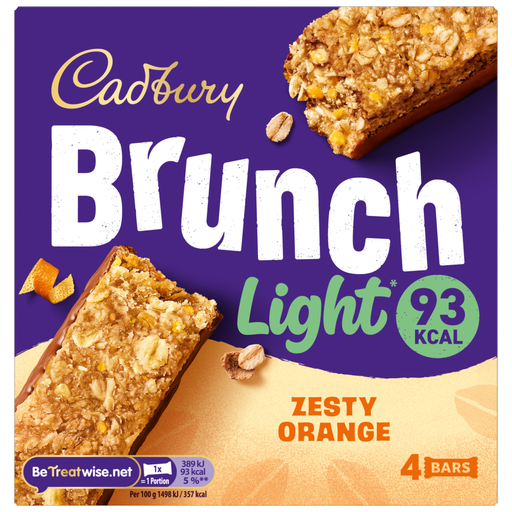
The pack contains four bars with a stated total weight of 104g. Do not treat “Light” in the product name as a substitute for a low-fat figure: read the current nutrition panel to see what the pack states about total fat and saturates.
 No image available
This eight-pack contains 40g bars and is labelled as a protein variety. If reducing total fat is the picnic priority, check its own per-100g panel rather than treating “Protein” as a fat claim. Check the current allergen declaration before offering a peanut-named bar to others.
 No image available
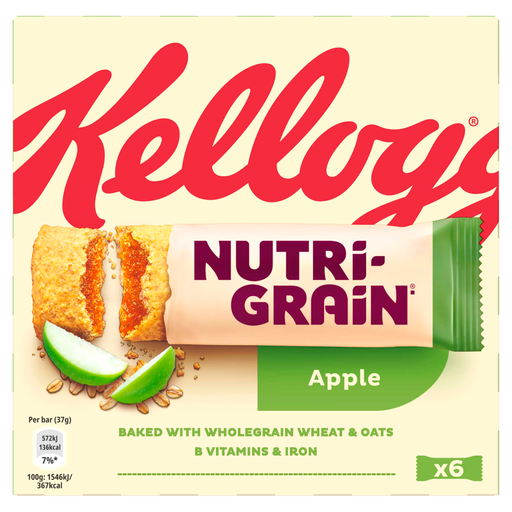
This is a six-pack of Nutri-Grain Apple breakfast bars weighing 222g in total. Kellogg’s UK lists 8.3g total fat per 100g for its Nutri-Grain Apple bars, above the low-fat limit for solid food; check the current pack’s nutrition and ingredients before packing it for the group.
No. UK legislation defines a reduced-nutrient claim as at least 30% less of the named nutrient than a similar product. GOV.UK states that a solid food labelled low fat must contain no more than 3g fat per 100g. Check whether a reduced claim refers to total fat or saturated fat, then read the total-fat figure.
Use the per-100g figures to compare bars of different sizes and to check the low-fat limit for solid food. Then use the per-bar figures to see the amounts in the portion you plan to pack.
No. Those descriptions concern different nutrients. Nature Valley UK lists 17.9g fat per 100g for its Crunchy Apple & Cinnamon bars, while Tesco Groceries lists 28.4g per 100g for the specified Eat Natural Peanut, Almond & Salted Caramel protein bars. Read the total-fat figure for the exact variety you are considering.
Check each current pack’s ingredients, highlighted allergens and precautionary statements before sharing. Keep the wrapper with the bar so the person eating it can check the exact variety rather than relying on an older listing.
Not for the nutrition or availability of a different current product. Alpen’s UK FAQ lists Alpen Light Chocolate & Orange bars among varieties no longer being made. Check the exact bar and its current packaging before putting it on a picnic shopping list.