Hosts putting out a nut bowl
Choose between plain, unsalted and flavoured products by reading the ingredients and salt information. Whole nuts still need a serving-size decision, even when they have no added salt.


If reducing fat matters more than serving whole nuts, peanut powder can provide peanut flavour in a dip or recipe, but it will not replace a crunchy buffet bowl. For a bowl of nuts, choose a plain or unsalted product if ingredients and salt are your priorities, then plan the serving size: those labels do not mean the nuts are reduced-fat.
Choose between plain, unsalted and flavoured products by reading the ingredients and salt information. Whole nuts still need a serving-size decision, even when they have no added salt.
Peanut powder is an ingredient to consider for a dip, spread or recipe when fat content is the deciding factor. It changes how the buffet food is prepared and served; it is not a bowl snack.
Keep pack labels available so guests can check ingredients and cross-contact warnings. Peanuts and tree nuts are distinct allergens, and whole peanuts carry a choking warning for small children on the ASDA Groceries listing for KP Unsalted Peanuts.
Decide whether the buffet needs a ready-to-serve nut bowl or an ingredient for another dish before comparing nutrition panels.
| Priority | What to check | Your needs |
|---|---|---|
| Format and fat | Compare fat per 100g between products you could actually serve in the intended way. Tesco Groceries lists PBfit Pure Peanut Powder at 13g fat per 100g; it is an ingredient, while Sainsbury's lists its Fairtrade whole peanuts at 46.0g per 100g. | If I am making a dip or spread, powder could fit the dish. If guests expect whole nuts to pick up and eat, I need a different format. |
| Salt and ingredients | Read the ingredients and salt per serving, as well as the fat figure. Sainsbury's lists peanuts as the only ingredient in its Fairtrade Peanuts and less than 0.01g salt per 30g serving. | For a simple nut bowl, I would rather check what has been added than assume that plain or unsalted means reduced-fat. |
| Serving size | Check the pack's stated serving and nutrition values. The British Heart Foundation describes 30g as a small handful in its guidance for people managing weight; that is not a reduced-fat claim about whole nuts. | I want to decide how much to put out instead of relying on a large self-serve bowl to set the portion. |
| Allergens and children | Check each current pack for ingredients and cross-contact warnings. The Food Standards Agency distinguishes peanuts from tree nuts; ASDA Groceries also displays a choking warning for small children on KP Unsalted Peanuts. | Guests need to be able to identify what is in each dish, and whole peanuts should not be left within reach of small children. |
Unsalted describes salt, not fat content. ASDA Groceries lists KP Unsalted Peanuts at 51g fat per 100g, while Sainsbury's lists its Fairtrade Peanuts at 46.0g per 100g.
Use the fat figure on the pack if fat reduction is the aim. Choose plain or unsalted whole nuts for their stated ingredients or salt content, not as substitutes for a reduced-fat ingredient.
Peanut butter cannot be served in the same way as a bowl of whole nuts. Tesco Groceries describes its Reduced Fat Peanut Butter as having 30% less fat than Tesco smooth peanut butter, but that comparison is between spreads, not between a spread and whole nuts.
Decide which dip, spread or recipe will use it, and check the current ingredients and availability before ordering.
A loose bowl can separate the food from its ingredient and cross-contact information. Sainsbury's warns that its Fairtrade Peanuts are not suitable for customers with a nut allergy because of manufacturing methods.
Keep each label available, identify dishes clearly and use separate serving utensils. Keep whole peanuts away from small children; the ASDA Groceries KP Unsalted Peanuts listing carries a choking warning.
These examples illustrate different product formats and label details; a retailer's wider nut range is not itself a reduced-fat claim.
KP's unsalted and dry-roasted peanuts offer different salt and flavouring choices for a nut bowl.
Tesco Groceries lists a reduced-fat peanut butter and a PBfit peanut powder, both for uses other than a whole-nut bowl.
Sainsbury's Fairtrade Peanuts are an example of a whole-nut option with a short ingredient list.
ASDA Groceries provides pack details for KP Unsalted Peanuts that help separate salt and fat considerations.
M&S lists plain and flavoured nut choices, including roasted selections and sharing formats.
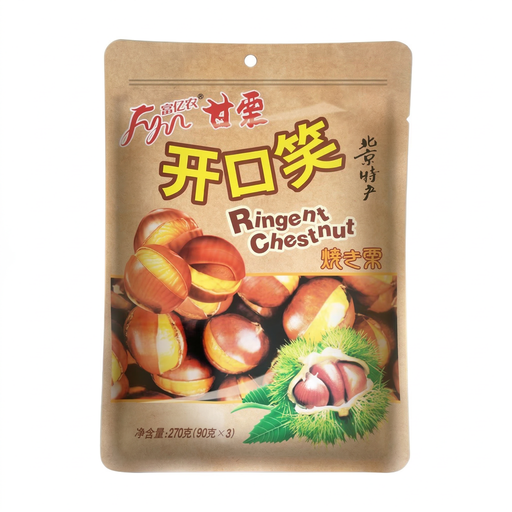
These Joybuy options cover chestnuts, unsalted peanuts and nut mixes for a Boxing Day buffet. Check each pack's fat content and allergen information against your intended serving, rather than assuming the products meet the same reduced-fat goal.
 No image available
Split-shell chestnuts offer a different buffet format from a peanut or mixed-nut bowl. Check the pack's nutrition and allergen information if fat content or guest requirements will determine the choice.
 No image available
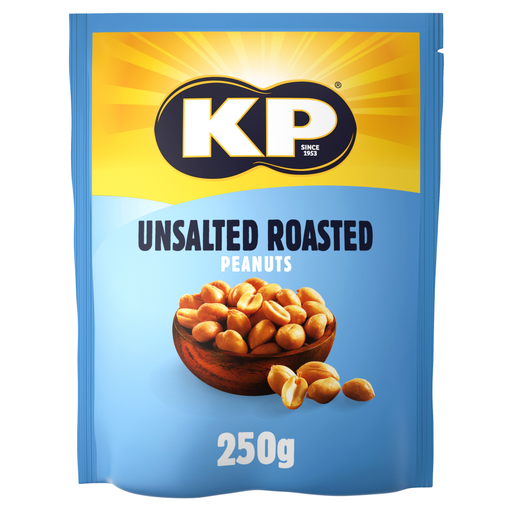
These are an unsalted roasted-peanut option for a conventional nut bowl. Unsalted is not a reduced-fat description, so compare the current pack's fat figure and allergen statement before serving.
 No image available
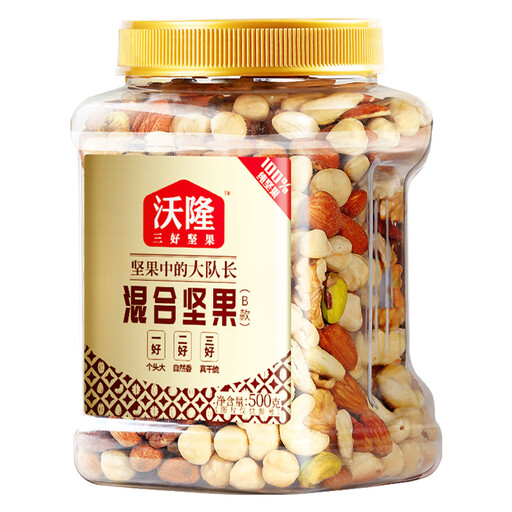
An assorted-nut tin suits a buffet that calls for a mixture rather than peanuts alone. Check its current ingredients, fat per 100g and allergen statement before putting the mix out for guests.
 No image available
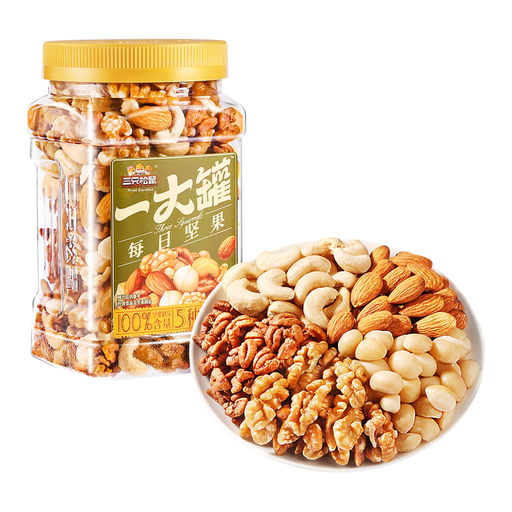
This all-nut variant is a mixed-nut choice for a buffet bowl. Compare its current nutrition panel and ingredient list with other whole-nut products; the variant name does not establish reduced-fat content.
 No image available
This mixed nuts and seeds variant differs from the all-nut pack. Read the current ingredients and nutrition panel to decide whether its mix, fat content and allergen information suit the buffet.
It can replace peanut flavour in a suitable dip, spread or recipe, but not the texture or serving format of whole nuts. Tesco Groceries lists PBfit Pure Peanut Powder at 13g fat per 100g; check how you will use it before comparing it with a bowl snack.
No. Unsalted refers to salt, not fat: ASDA Groceries lists KP Unsalted Peanuts at 51g fat per 100g despite listing less than 0.01g salt per 30g serving. Check both figures if both considerations matter to your buffet.
Not if guests expect whole nuts. Tesco Groceries describes its Reduced Fat Peanut Butter as having 30% less fat than Tesco smooth peanut butter, but it remains a spread; plan the dish it will go into and check its current label and availability.
Use the pack's serving information to decide how much to set out. The British Heart Foundation describes 30g as a small handful in guidance for people managing weight; choosing a smaller bowl does not change the nuts' fat content per 100g.
Keep the current pack label available and check ingredients and cross-contact warnings for each product. The Food Standards Agency distinguishes peanuts from tree nuts, while the ASDA Groceries listing for KP Unsalted Peanuts warns that small children can choke on peanuts; provide another snack for young children instead of leaving whole peanuts within reach.