Hosts comparing fat content
If reducing fat is the reason for buying protein bars, compare the exact flavours by fat per bar and per 100g. A smaller bar can have a lower per-bar figure without having less fat on a like-for-like weight basis.


For a Christmas party where reduced fat is the priority, look for a flavour-specific fat comparison: Myprotein says its Lean Layered Cookie Dough bar has 3.4g fat and 15g protein per 40g bar, and 42% less fat than a typical protein bar. A low-sugar bar answers a different need; compare fat both per bar and per 100g, then check each flavour’s ingredients before serving it to guests.
The useful starting point is whether reduced fat is the main requirement or one consideration among several for the party table.
If reducing fat is the reason for buying protein bars, compare the exact flavours by fat per bar and per 100g. A smaller bar can have a lower per-bar figure without having less fat on a like-for-like weight basis.
If protein content and a confectionery-style flavour matter more than reducing fat, compare protein, sugars and fat for the portion you plan to serve. A low-sugar description alone does not answer the reduced-fat question.
Check the ingredients, allergen statements and any vegan labelling on each flavour. Do not assume that another bar from the same range has the same ingredients or precautionary warnings.
Set the fat criterion first, then check whether the bar’s portion size, other ingredients and pack format work for your guests.
| Priority | What to check | Your needs |
|---|---|---|
| Fat comparison | Read fat per bar and per 100g. If a flavour claims a reduction, check what similar product it is compared with. | I want the lower-fat choice to be clear from the nutrition information, rather than inferred from a low-sugar message. |
| Portion and protein | Compare bar weight and protein per serving alongside fat. Myprotein lists 15g protein and 3.4g fat per 40g Lean Layered bar; PhD lists 21g protein and 9.2g fat per 64g Choc Brownie Smart Bar. | A smaller bar might suit the portions I plan to put out, but I still want to know how much protein that portion provides. |
| Ingredients | Read the exact flavour’s ingredients, highlighted allergens and precautionary statements. Check any sweetener or excessive-consumption warning on the pack. | Guests need to be able to identify a bar that suits their own dietary requirements without relying on the brand name alone. |
| Party planning | Check the number and size of bars in a pack, who sells them and the delivery estimate before ordering. | I need enough clearly labelled portions for the gathering, with time for them to arrive before the event. |
Those descriptions concern different nutrients. PhD’s Choc Brownie Smart Bar, for example, lists 1.2g sugars and 9.2g fat per 64g bar.
If fat reduction is your aim, compare fat figures and the basis of any reduced-fat claim before looking at the sugar figure.
A 40g bar and a 64g bar are different portions, so their per-bar figures do not provide a like-for-like weight comparison.
Use fat per 100g to compare formulations, then return to the per-bar figure to decide what serving you would put out.
Ingredients and allergen statements can differ within a range. Barebells UK, for example, flags lactose or possible traces in its non-vegan bars and wheat protein containing gluten in Vegan Caramel Peanut.
Check each pack you buy and keep its wrapper available so guests can read the ingredients and any warnings for themselves.
A retailer category can mix products sold by the retailer with marketplace listings. Tesco Groceries shows both types in its protein-bar categories, so the listing alone does not settle the seller or fulfilment details of a particular pack.
Confirm the seller, bar count and delivery estimate for the item you choose before relying on it for the party.
These brand examples show why the nutrition panel for a particular bar matters more than a range-wide description.
Lean Layered is the relevant Myprotein line when a stated fat comparison is central to the choice.
Smart Bar examples illustrate a choice focused on protein and sugar figures rather than an established fat reduction.
Grenade describes its protein-bar range as high in protein and low in sugar.
Barebells has original, soft and vegan protein-bar lines, making the exact variant important when choosing for a group.
Tesco Groceries provides a retailer category to browse for protein bars, including branded products and marketplace listings.
These Grenade multipacks are options for guests seeking a sweet-style protein bar described as high in protein and low in sugar. They should not be treated as reduced-fat choices on the strength of that description; check each flavour’s fat figures if reducing fat is the main reason for buying.
 No image available
A four-bar pack for a party selection where Oreo flavour and a protein-bar format matter more than a confirmed fat reduction. The product name describes it as high in protein and low in sugar; compare its fat per bar and per 100g with any reduced-fat option before choosing it for that purpose.
 No image available
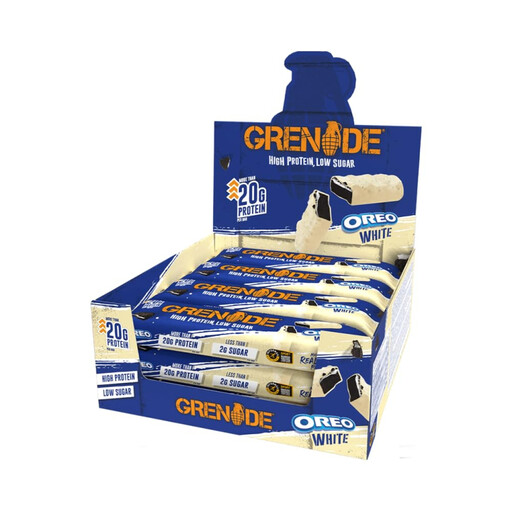
A twelve-bar pack to consider when planning portions for a larger group and choosing a White Oreo flavour. Its high-protein, low-sugar description does not establish a fat reduction; check the nutrition and ingredient information for this exact variant.
 No image available
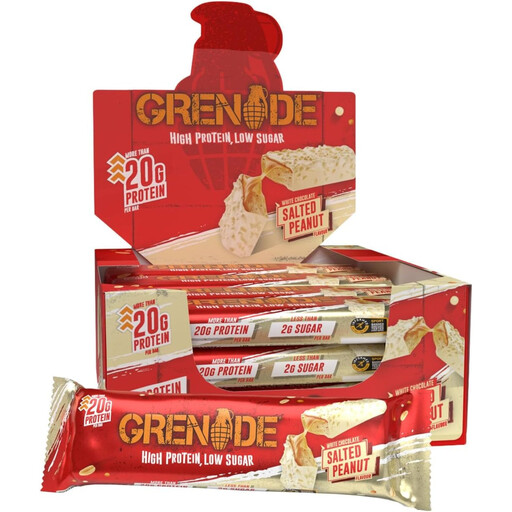
This twelve-bar pack adds a white chocolate and salted peanut flavour to a party selection. If reduced fat is the deciding criterion, compare its fat figures with a bar that provides a stated fat-reduction comparison; also check the ingredient label for guests with dietary restrictions.
Look for a fat-reduction comparison with a similar product, then read fat per bar and per 100g for the exact flavour. Words such as “lean” or “low sugar” do not, by themselves, tell you how its fat content compares.
No. PhD lists 1.2g sugars and 9.2g fat per 64g Choc Brownie Smart Bar, whereas Myprotein lists 3.4g fat per 40g Lean Layered bar. The bars differ in size, so use the per-100g panels as well as the figures for the portion you intend to serve.
Only if the exact bar meets both requirements. PhD’s Smart Plant Vanilla Fudge example lists 13g fat per 64g bar; a plant-based product name does not establish a fat reduction. Check the specific pack’s vegan labelling, ingredients and fat comparison.
Read the ingredient and allergen information for every flavour, including any precautionary statements, and leave the wrappers available. Bars within one range can differ: Barebells UK flags lactose or possible traces in non-vegan bars and wheat protein containing gluten in Vegan Caramel Peanut.
Check each pack for sweetener information and any excessive-consumption warning before putting out multiple bars per guest. Keeping the packaging beside the bars lets guests read the ingredients and serving information themselves.