Holiday travellers comparing fat and energy
If you want a protein-bar snack while keeping track of fat and energy, compare the exact flavour’s figures per 100g and per bar. A lean name alone cannot tell you how a whole bar fits your plans.


A bar marketed as lean may suit you if reducing fat is the priority, but compare its fat per 100g and per bar, energy and ingredients before packing it. A standard high-protein bar may be a better fit if those figures matter less to you than its protein amount or flavour. A reduced-fat comparison does not make a bar low-fat: the legislation.gov.uk nutrition-claims annex sets a limit of 3g fat per 100g for low-fat claims on solid foods, while Myprotein UK lists 8.1g and 8.6g per 100g for two Lean Layered flavours.
If you want a protein-bar snack while keeping track of fat and energy, compare the exact flavour’s figures per 100g and per bar. A lean name alone cannot tell you how a whole bar fits your plans.
For travel days, walks or training, you may place more weight on protein per bar than on finding the lowest fat figure. Check both measures so that a high-protein or low-sugar claim does not stand in for the full nutrition panel.
If allergens, dietary requirements or sweeteners affect your choice, read the label for each flavour before packing several bars. Ingredients and warnings can differ between products in the same brand range.
Start with fat per 100g to compare different bar sizes, then check the figures for the portion you expect to eat. Protein, energy and ingredients help distinguish a lean-marketed bar from a standard confectionery-style option.
| Priority | What to check | Your needs |
|---|---|---|
| Fat and claims | Compare fat per 100g and per bar. In Great Britain, government nutrition-claims guidance and the legislation.gov.uk annex distinguish a reduced-nutrient claim, requiring at least a 30% reduction against a similar food, from a low-fat claim for solids, limited to 3g fat per 100g. Check what the pack actually claims. | I want the nutrition figures, not just a claim, to guide my choice. In a Food Standards Agency and Ipsos survey of 611 Northern Ireland shoppers interviewed from September to November 2024, 35% named back-of-pack nutrition claims as their primary nutrition-information source; approximately 49% used traffic-light labels while shopping. These describe general food-label use, not protein-bar preferences. |
| Protein and portion | Check protein, fat and energy per bar alongside the bar’s weight. Myprotein UK lists 15g protein for Lean Layered and 18g protein, 152 kcal and 4.6g fat per 45g Lean Protein Bar; compare the exact flavour’s panel. | For a snack on a travel day, I want to know what one bar contributes rather than choosing by its protein figure alone. |
| Sugar and fat | Read sugar claims separately from the fat figure. Barebells UK lists 15g fat per 100g for Caramel Cashew, despite its no-added-sugar positioning; a Joybuy listing for PhD Smart Cookies & Cream reports 13g fat per 100g. | Low sugar or no added sugar might matter to me, but I do not want to mistake either description for a reduced-fat claim. |
| Travel checks | Read the exact flavour’s ingredients, allergen statement, sweetener warning and storage instructions. Check the pack again before travelling, particularly if buying a multipack. | I need bars I can pack in line with their storage instructions and whose ingredients and warnings suit the people who will eat them. |
A comparative reduction and a low-fat claim answer different questions. Myprotein UK lists 8.1g and 8.6g fat per 100g for two Lean Layered flavours; both exceed the 3g-per-100g limit for a low-fat claim on solid foods in the legislation.gov.uk nutrition-claims annex.
Compare fat per 100g across bars, then check fat per bar for the amount you intend to eat.
A protein or sugar figure cannot tell you the fat content. Barebells UK lists 20g protein and 15g fat per 100g for Caramel Cashew, so its no-added-sugar description does not settle a reduced-fat choice.
Read protein, sugar, fat, energy and serving size together before deciding which trade-off suits you.
Products in this category can carry allergen declarations and warnings about excessive consumption of sweeteners. A familiar brand name does not establish that another flavour has the same ingredients or warnings.
Check the current label of the flavour you are packing and follow its storage instructions during the journey.
These examples show why the nutrition panel matters more than a brand-wide description; figures belong to the named products and flavours, not every bar each company sells.
Myprotein’s Lean Layered and Lean Protein Bar pages provide two lean-marketed examples with different fat and protein figures.
PhD positions Smart Bar around protein and sugar, which are separate considerations from fat.
Grenade’s Caramel Chaos is an example for comparing protein and sugar claims with the rest of a bar’s label.
Barebells provides no-added-sugar examples whose fat figures still need checking separately.
Tesco’s product listings can help shoppers check an individual bar’s stated nutrition, ingredients and allergens before choosing a flavour.
These flavoured Grenade and PhD multipacks are options for someone considering a standard protein-bar snack for a holiday. If reducing fat is your main aim, compare each exact pack’s current fat figure with lean-marketed alternatives rather than treating protein or low-sugar wording as a fat claim.
 No image available
A flavoured multipack to consider if you want protein bars for a trip and will check the exact pack’s fat, energy, ingredients and storage instructions. The product name describes it as high protein and low sugar; neither description establishes a reduced-fat claim.
 No image available
This chocolate peanut butter multipack is a choice to assess by the nutrition and allergen information for its own flavour. PhD’s general Smart Bar figures should not be substituted for the figures on this particular pack.
 No image available
For a double chocolate bar to take away, check the 50g serving’s nutrition as well as the per-100g figures. Read this flavour’s ingredients and warnings before packing the multipack.
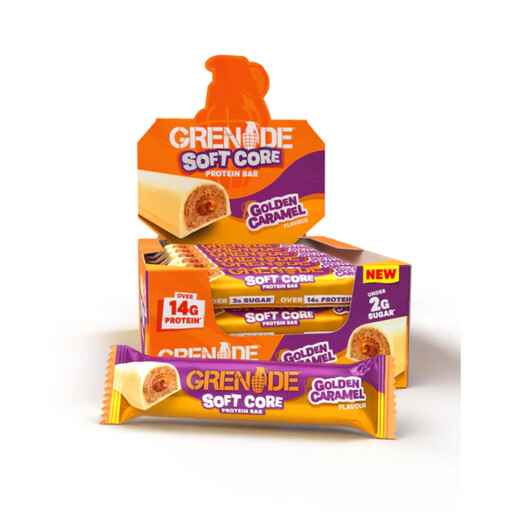 No image available
This golden caramel variant comes as twelve 50g bars. Compare its own fat and energy figures with other flavours rather than assuming that bars in the Soft Core range share a nutrition profile.
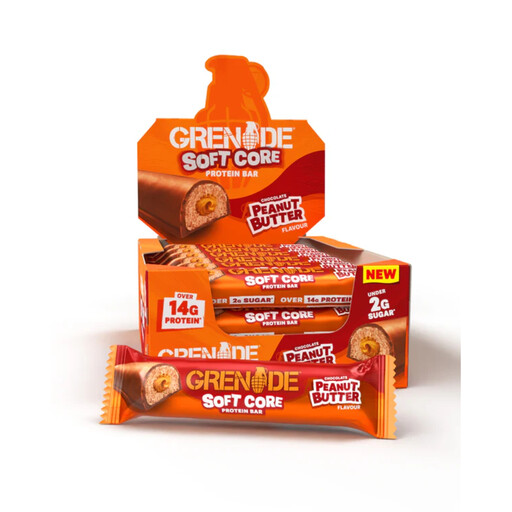 No image available
If peanut butter flavour appeals, check this variant’s complete ingredient and allergen statement before travel. Its 50g bar size also makes the per-bar nutrition figures relevant alongside fat per 100g.
No. For Great Britain, government nutrition-claims guidance and the legislation.gov.uk annex distinguish a reduced-nutrient claim—at least 30% lower than a similar food—from a low-fat claim, which for a solid food is limited to 3g fat per 100g. Check the claim on the actual pack and its fat figure.
The two flavours compared here exceed the low-fat-claim limit for solid foods set out in the legislation.gov.uk nutrition-claims annex: Myprotein UK lists 8.1g fat per 100g for Cookie Dough and 8.6g for White Chocolate & Raspberry, against the 3g-per-100g limit. Myprotein compares them with its cited typical protein bar, which is a different claim from being low-fat.
Yes. Barebells UK lists 15g fat per 100g for its no-added-sugar Caramel Cashew bar, and Tesco lists 17g per 100g for the distinct Barebells Caramel Choco bar. Check fat directly rather than inferring it from the sugar wording.
Read the exact flavour’s nutrition panel, ingredients, allergen statement, sweetener warnings and storage instructions. Check the current pack even if you have bought another flavour from the same range before.
No. Protein amount does not establish allergen or sweetener suitability. For example, Barebells UK lists milk, cashew and peanut for Caramel Cashew, while Grenade UK carries an excessive-consumption warning for Caramel Chaos; read the label of the specific bar you intend to eat.