New parents looking for a lower-fat portable snack
An individually portioned bar may be convenient to keep to hand. If fat content drives the choice, compare nutrition panels rather than relying on “natural”, protein, fibre or lower-sugar wording.


For a snack bar with low total fat, start with the fat figure per 100g: the UK nutrition-claims annex sets a limit of 3g per 100g for a low-fat claim on solid food. Department of Health and Social Care guidance says “reduced fat” instead means at least 30% less fat than a similar product, so it does not necessarily mean low fat. For a portable bar during busy new-parent routines, check the portion and allergens separately from protein, fibre or sugar claims.
An individually portioned bar may be convenient to keep to hand. If fat content drives the choice, compare nutrition panels rather than relying on “natural”, protein, fibre or lower-sugar wording.
A bar can be one snack among other foods. NHS guidance for breastfeeding emphasises eating a wide variety of foods, rather than choosing a particular snack-bar product.
When bars may be shared at home, check the exact pack for ingredients, allergen warnings and any vegan or gluten-free information. One of those labels does not answer every suitability question.
Decide whether you need a low-fat claim, a reduced-fat comparison or simply a portable bar whose fat content you can assess alongside other features.
Choose when: Low total fat is the deciding requirement; check the solid bar’s fat content against the 3g-per-100g limit in the UK nutrition-claims annex.
Trade-off: A protein, fibre or reduced-fat claim alone does not establish that a bar meets this limit.
Choose when: You want a version with less fat than a comparable type of bar and can identify the comparison behind the claim.
Trade-off: Department of Health and Social Care guidance specifies a reduction of at least 30% against a similar product; the resulting bar can still exceed the low-fat limit.
Choose when: Portion format, protein, fibre or a dietary format matters, and low fat is not essential.
Trade-off: The Graze, Nature Valley, TREK and Eat Natural examples below all declare more than 3g fat per 100g; check each bar’s nutrition and allergen information on its own terms.
| Priority | What to check | Your needs |
|---|---|---|
| Fat content | Compare fat per 100g across bars, then fat per bar for the portion you would eat. Check what a reduced-fat claim is comparing. | I want to tell whether a bar meets a low-fat limit, rather than mistaking a relative reduction for low total fat. |
| Portion and format | Check bar weight, pack count and whether the portions suit how you plan to carry them. Read per-bar values alongside per-100g values. | A bar that is straightforward to pack matters on busy days, but I still want to know what one portion contains. |
| Other nutrition claims | Read protein, fibre and sugar figures separately from fat. Compare equivalent per-100g figures before using per-bar amounts. | I may prefer a protein- or fibre-led bar, without assuming either claim means it contains less fat. |
| Allergens and dietary format | Read the exact pack’s ingredients, emphasised allergens and any “may contain” statement. Check vegan or gluten-free wording separately. | If someone at home has an allergy, I need the information for this particular bar, not an assumption about its brand or format. |
Department of Health and Social Care guidance defines reduced fat by comparison with a similar product. The UK nutrition-claims annex gives low fat a separate limit of 3g per 100g for solids, so one claim does not establish the other.
If low fat is essential, check the per-100g fat figure rather than the relative claim alone.
The Tesco, Nature Valley, TREK and Eat Natural product information for the examples below reports fat figures ranging from 22g to 36.3g per 100g. Other claims do not change those figures.
Compare fat on the same per-100g basis, then look at sugars, fibre, protein and the amount in one bar for your other preferences.
The named protein- and oat-bar examples include ingredients or precautionary statements concerning peanuts, soya, milk or other nuts. Vegan or gluten-free wording should not replace an allergen check.
Read the ingredients and “may contain” wording on the exact pack each time it matters to your household.
These specific bars illustrate why nutrition and dietary-format claims need to be read separately from fat content; the figures do not describe every product made by each brand.
Cocoa Vanilla Oat Boosts are a 30g oat-flapjack option.
The brand lists crunchy, protein and oaty bar ranges; its Peanut & Chocolate Protein Bar is one example to compare by nutrition panel.
Cocoa Oat is a plant-protein flapjack example; its figures should not be assumed to apply to other TREK flavours.
The Peanuts & Dark Chocolate protein bar is a nut- and chocolate-led option.
These are portable snack-bar options for comparing portions and pack formats when shopping for new-parent essentials. Their inclusion does not establish a reduced-fat claim or mean that they meet the UK low-fat limit; check the exact nutrition panel before choosing on that basis.
 No image available
The six-bar pack offers 21.5g portions to compare with other snack formats. If lower fat is the priority, check fat per 100g on the pack; check its allergen information separately.
 No image available
These 50g flapjacks offer a protein-led snack-bar format. Protein wording does not establish fat content: compare the pack’s fat figure per 100g and check its allergen statement.
 No image available
The four-pack contains 40g peanut-and-chocolate bars. Nature Valley UK lists protein and fat separately for this bar; compare the exact pack’s per-100g fat figure before choosing it for a lower-fat preference, and check its allergens.
 No image available
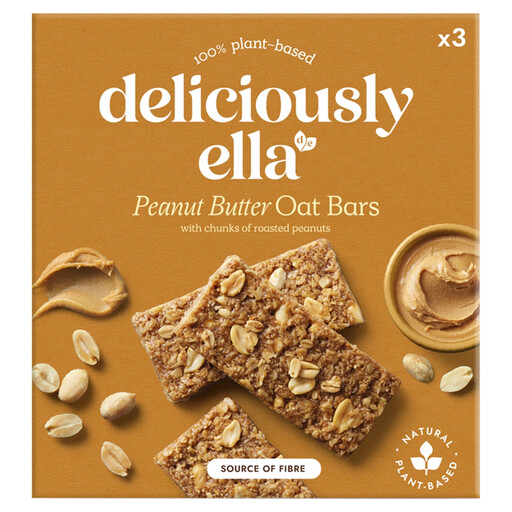
This three-pack offers 50g peanut-butter oat bars. Check fat per 100g if lower fat is the aim, and read the exact pack’s ingredients and allergen statement before sharing.
 No image available
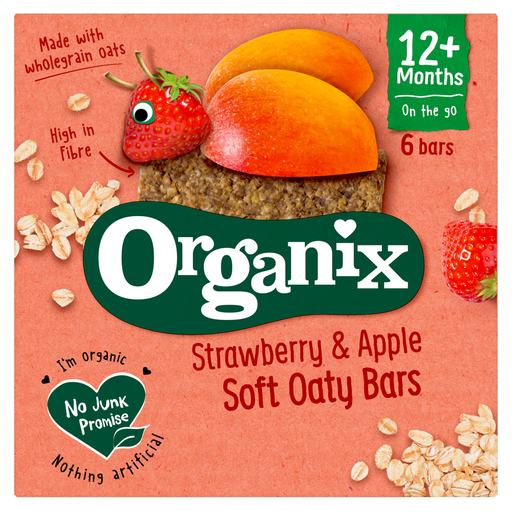
The six-pack contains 23g soft oaty bars labelled for ages 12 months and over. That age label is not a low-fat claim; compare the nutrition panel and check the exact pack’s allergen wording.
They describe different tests. The UK nutrition-claims annex sets the low-fat limit for solid foods at no more than 3g fat per 100g, while Department of Health and Social Care guidance says a reduced-fat claim requires at least 30% less fat than a similar product. Check the per-100g figure even when a comparative claim appears on the pack.
No: the specific examples exceed the 3g-per-100g low-fat limit for solid foods. Tesco Groceries lists Graze Cocoa Vanilla Oat Boosts at 22g fat per 100g; Nature Valley UK lists Peanut & Chocolate Protein Bar at 28.3g; TREK lists Cocoa Oat at 22g; and Eat Natural lists its Peanuts & Dark Chocolate bar at 36.3g. Those figures should not be applied to other bars from the same brands.
No particular bar is identified as necessary in the NHS advice cited here. NHS guidance on eating while breastfeeding emphasises a wide variety of foods; a convenient bar need not determine the rest of your food choices.
Yes. Those descriptions do not answer every allergen question. Check the ingredients and precautionary wording on the exact pack, particularly for peanuts, other nuts, soya and milk where relevant; the Food Standards Agency explains that allergenic ingredients must be emphasised in the ingredients list.