Coeliac shoppers comparing fat content
Start with an explicit gluten-free statement on the bar you intend to buy. Once it meets that requirement, use fat per 100 g to compare different bar sizes on the same basis.


Choose a snack bar for coeliac shopping by confirming its gluten-free status first, especially if it contains oats; Coeliac UK warns that terms such as ‘pure oats’ do not establish this. Then compare fat per 100 g rather than judging by bar size or a reduced-sugar claim. The checked gluten-free examples from Tesco Groceries and Eat Natural UK range from 16 g to 37.9 g fat per 100 g, but their figures alone do not establish a reduced-fat claim.
The order of checks changes with the bar you want, but gluten-free suitability cannot be inferred from its fat, protein or sugar content.
Start with an explicit gluten-free statement on the bar you intend to buy. Once it meets that requirement, use fat per 100 g to compare different bar sizes on the same basis.
Check that the oat product itself is labelled gluten free. Coeliac UK says ‘100% oats’, ‘pure oats’ and ‘organic oats’ do not confirm gluten-free suitability.
A protein figure does not answer either the gluten-free or reduced-fat question. Check the specific flavour’s gluten-free statement, fat per 100 g and other allergen information separately.
Confirm suitability for a coeliac diet before comparing nutrition panels. Use the per-100-g column for fat comparisons, then look at the amount in the bar you would actually eat.
| Priority | What to check | Your needs |
|---|---|---|
| Gluten-free status | Look for a gluten-free statement on the specific pack; check the ingredients and allergen information. The Food Standards Agency states that food labelled gluten free must contain no more than 20 mg/kg gluten as sold. | I need a bar whose gluten-free status applies to the product I am buying, not just to another bar from the same brand. |
| Oat ingredients | For an oat bar, check that the product is explicitly labelled gluten free. Coeliac UK says ordinary oats may be contaminated with wheat, barley or rye; ‘pure oats’ is not an equivalent label. | If I choose a flapjack, I want to know whether its oats are in a gluten-free product. If I avoid oats altogether, I need a different recipe. |
| Fat comparison | Compare total fat per 100 g, then check fat per bar. Read a reduced-fat statement as a claim about a comparison with another product, not as a description of a small serving. | A smaller bar might give me less fat per serving without having less fat per 100 g. I want to see both figures before choosing. |
| Other ingredients | Check the pack’s declarations for nuts, peanuts, milk or soya where relevant. Compare protein, fibre, sugars and saturates using the stated serving sizes or a common per-100-g basis. | I may want a protein bar, but I still need to check its fat content and any other ingredients I must avoid. |
A claim about sugar does not describe fat content. Sainsbury’s lists Graze Honey Oat Boost with a ‘45% less sugar’ statement and 22 g fat per 100 g.
Check the fat figure per 100 g and read any reduced-fat claim on its own terms.
Coeliac UK warns that ordinary oats may be contaminated with wheat, barley or rye. Wording such as ‘pure oats’ does not settle the question.
Choose an oat bar only when the specific product is explicitly labelled gluten free; if you avoid oats, check the ingredient list too.
Protein and gluten-free statements answer different questions from fat content. Tesco Groceries lists 19 g fat per 100 g for TREK Original Oat Protein Flapjacks, while Eat Natural UK lists 37.9 g per 100 g for its checked peanuts, almonds and cocoa protein bar.
Confirm gluten-free status and compare total fat per 100 g before weighing up protein or fibre.
A listing for one recipe or flavour is not the ingredient and allergen declaration for every variant you might pick up.
Read the gluten-free statement, ingredients, allergens and nutrition table on the current pack, particularly if its packaging or recipe has changed.
These examples show why a brand name alone cannot settle the choice: check the exact product and flavour.
Nakd describes its fruit-and-nut bar range as gluten free. Tesco Groceries also labels the checked Cocoa Orange 35 g bar gluten free.
Tesco Groceries labels the checked TREK Original Oat Protein Flapjacks gluten free and lists gluten-free oats among their ingredients.
Eat Natural UK lists gluten-free products across several bar formats, including the checked peanuts, almonds and cocoa protein bar.
Nature Valley UK identifies selected Salted Caramel Nut and Peanut & Chocolate protein bars as gluten-free options.
Graze Honey Oat Boost illustrates why a reduced-sugar statement cannot stand in for either a fat comparison or a gluten-free label.
Alpen Light Summer Fruit is an example of why a lower fat figure cannot override an ingredient check for coeliac shopping.
These fruit-and-nut bars and oat flapjacks offer different formats to consider. Check the gluten-free statement on each exact flavour’s current pack, then compare its fat per 100 g; the figures for the separately discussed products above do not describe these variants.
 No image available
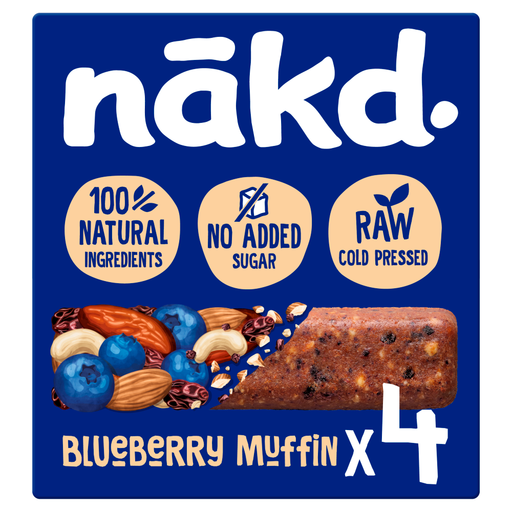
For a fruit-and-nut bar, check this flavour’s gluten-free statement and fat per 100 g on the current pack. The bundle contains four 35 g bars; check its nut allergen declaration as well.
 No image available
If you are considering an oat flapjack, confirm that this Salted Caramel variant is labelled gluten free. The pack contains three 50 g flapjacks; compare its own fat per 100 g and check the allergen declaration.
 No image available
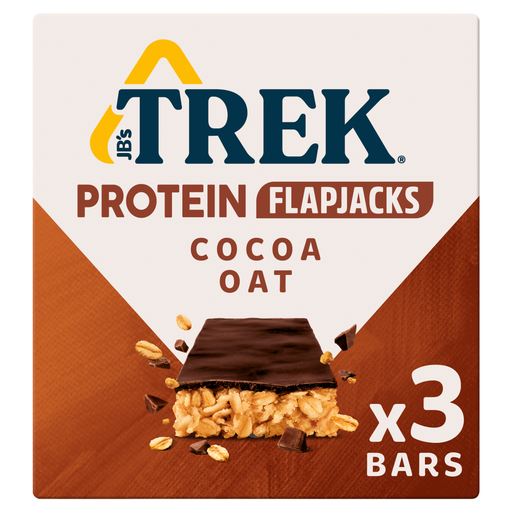
For this Cocoa Oat flavour, check the pack’s gluten-free statement rather than relying on information for another TREK flapjack. It contains three 50 g bars; read its own fat figure and allergen declaration before choosing.
 No image available
Check this Peanut Delight variant’s gluten-free statement and total fat per 100 g if you are comparing fruit-and-nut bars. The bundle contains four 35 g bars; read the peanut and other allergen information on the pack.
 No image available
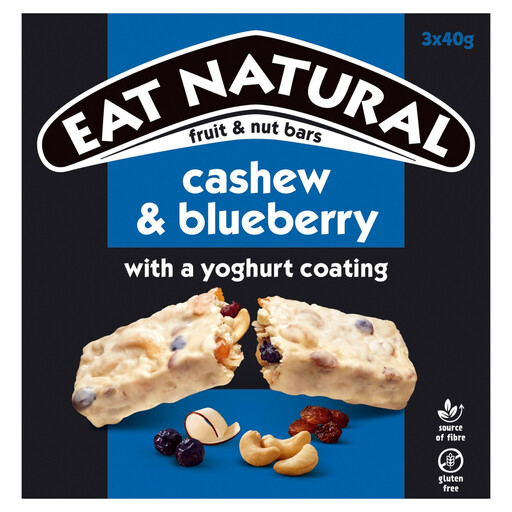
Check the gluten-free wording and fat per 100 g for this Cashew & Blueberry variant, rather than using figures for another Eat Natural bar. The bundle contains three 40 g bars; review its nut and other allergen declarations.
No. ‘Reduced fat’ describes a comparison, while ‘low fat’ describes the fat content of the food. GOV.UK says nutrition claims are regulated; check the claim on the pack and compare fat per 100 g rather than relying on serving size or a reduced-sugar statement.
Choose an oat bar only if that product is explicitly labelled gluten free. Coeliac UK warns that ordinary oats may be contaminated with wheat, barley or rye, and that ‘pure oats’ does not confirm gluten-free status. If you avoid oats, check the ingredients even when a bar is labelled gluten free.
Among the three specific products compared here, Tesco Groceries lists Nakd Cocoa Orange at 16 g fat per 100 g and TREK Original Oat Protein Flapjacks at 19 g per 100 g; Eat Natural UK lists its peanuts, almonds and cocoa protein bar at 37.9 g per 100 g. This is a comparison of those exact products, not a ranking of every bar from those brands or a reduced-fat claim for any of them.
Do not infer either property from its ‘45% less sugar’ statement. Sainsbury’s lists 22 g fat per 100 g for the checked Honey Oat Boost and warns that it may contain other cereals containing gluten. Check the exact pack rather than treating the sugar claim as evidence about fat or gluten.
No. Although Weetabix Cereals lists 4.3 g fat per 100 g, its Alpen Light Summer Fruit ingredients include whole wheat. Alpen also says its products contain gluten from wheat, barley or oats, so the fat figure does not make this bar a gluten-free choice.