Adults who count carbohydrate or use meal-time insulin
The total carbohydrate in the portion you eat needs to fit your own carbohydrate-counting or insulin plan. A reduced-fat label does not tell you that amount.


Check the total carbohydrate in the portion you will eat before deciding whether a snack bar fits your diabetes plan; a reduced-fat claim cannot answer that question on its own. Then compare sugars, fat, saturates and fibre, and check the serving size and allergens on the exact pack. If you use meal-time insulin or have an agreed snack plan, follow the advice from your diabetes team rather than a general rule for bars.
The total carbohydrate in the portion you eat needs to fit your own carbohydrate-counting or insulin plan. A reduced-fat label does not tell you that amount.
Compare fat and saturates for your dietary goals, but check total carbohydrate and portion size separately. A lower-fat bar is not automatically a suitable choice for your diabetes plan.
Check the ingredients and allergen declaration for the exact flavour and pack. Do not rely on a bar’s protein, fibre or reduced-fat description to establish what it contains.
Start with the amount you will actually eat, then use the back-of-pack nutrition table to compare carbohydrate with the other features that matter to you.
| Priority | What to check | Your needs |
|---|---|---|
| Total carbohydrate and portion | Find total carbohydrate per bar or serving, then check the serving weight and how much of the pack you will eat. Diabetes UK explains that front-of-pack traffic-light labels do not show carbohydrate. | I count carbohydrate, so I need the figure for my actual snack portion, not just the manufacturer’s suggested serving. |
| Sugars and ingredients | Read the “of which sugars” figure alongside total carbohydrate. Check the ingredients if sugar, syrup, honey or fruit juice matters to your choice; a sugars figure does not replace the total-carbohydrate figure. | I want to compare sugar content without overlooking the other carbohydrate in a cereal or oat bar. |
| Fat and saturates | Compare total fat and saturates per 100g for a like-for-like view, and per bar for the portion you plan to eat. Read these alongside carbohydrate rather than treating a reduced-fat claim as a diabetes claim. | Reducing fat or saturates matters to me, but the bar still needs to fit my carbohydrate plan. |
| Fibre, protein and allergens | Compare fibre and protein on the same per-bar basis as carbohydrate and fat. Check the exact pack’s ingredients and allergen declaration, particularly when changing flavours. | I may prefer a bar with fibre or protein, and I need to know whether its ingredients are suitable for me. |
A fat claim does not tell you how much carbohydrate the bar contributes to the portion you eat. Diabetes UK identifies total carbohydrate as important when planning food with diabetes.
Check total carbohydrate first, then compare fat, saturates and the other label details relevant to you.
Traffic-light labels cover fat, saturates, sugars and salt, but not total carbohydrate, according to Diabetes UK. A colour shown for fat cannot establish the bar’s carbohydrate contribution.
Turn the pack over to find total carbohydrate per bar or portion. Use per-100g figures as well when comparing different-sized bars.
Nature Valley UK lists 10.2g protein and 4.5g fibre in its 40g Protein Chocolate & Coffee bar, alongside 11.1g fat and 3.5g saturates. Those nutrients answer different label questions.
Compare carbohydrate, fat, saturates, protein and fibre for the same portion rather than choosing by one front-of-pack description.
Alpen Muesli’s FAQ says several named Alpen bar varieties, including Alpen Light Chocolate & Orange, are no longer made. An older listing may not describe a bar available to buy.
Confirm the exact variety before choosing it, and use nutrition and allergen information for the pack being sold.
Brand ranges can help you identify bars to compare, but make the decision using the nutrition and allergen information for a named variety.
Graze offers Oat Boost flapjacks among its snack bars.
Nature Valley offers oat-based bars and nut-based Protein bars; the nutrition figures differ between named varieties.
Older Alpen bar names may appear in product searches, so the exact variety matters.
These oat-based and nut-based bar options give you different flavours and portion sizes to check against your carbohydrate plan. Their inclusion does not mean that they are reduced-fat or suitable for every person with diabetes; use the exact pack’s nutrition and allergen details.
 No image available
If you count carbohydrate, compare one 40g bar with your own snack plan. Nature Valley UK lists 10.5g carbohydrate, 11.8g fat and 2.8g saturates per bar; check the exact pack for allergens.
 No image available
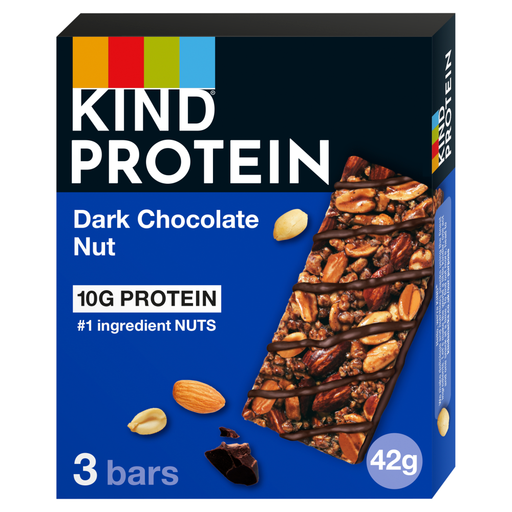
For this nut-bar option, check total carbohydrate and fat for one 42g bar before choosing it for a snack. Read the exact pack’s allergen declaration too.
 No image available
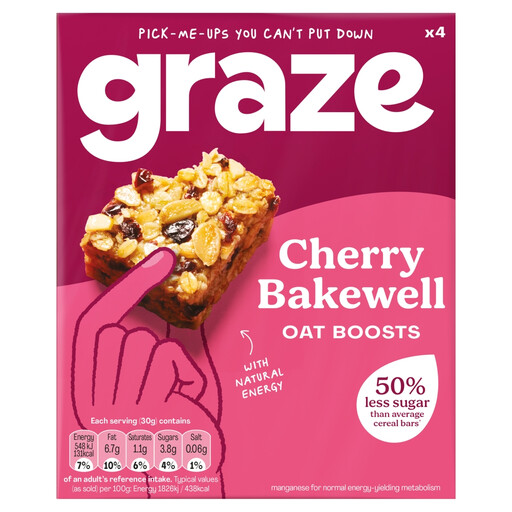
For a 30g Oat Boost bar, compare the pack’s total carbohydrate with the portion in your plan. Check fat, saturates and allergens on this flavour’s label rather than relying on range-wide claims.
 No image available
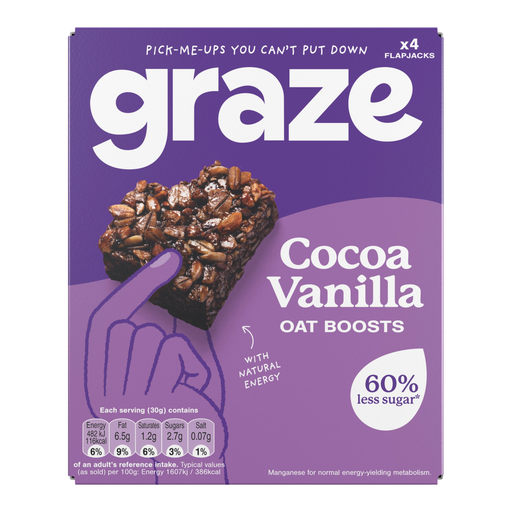
Check the total carbohydrate for the 30g bar against the portion you intend to eat. Use this flavour’s own label for fat, saturates and allergens; another Oat Boost flavour need not have the same figures.
 No image available
Compare the total carbohydrate for a 30g portion with your snack plan. The product name alone cannot tell you its protein, fibre or fat content, so check those figures and the allergen declaration on the exact pack.
No. Reduced fat describes one aspect of the bar, not whether its portion fits your diabetes plan. Diabetes UK advises paying attention to total carbohydrate, so check that figure as well as fat and saturates.
Use total carbohydrate to assess the carbohydrate in the portion; the sugars line gives additional information. Diabetes UK notes that front-of-pack traffic-light labels do not include carbohydrate, so read the back-of-pack table and compare equivalent portions.
No. Milton Keynes University Hospital NHS Foundation Trust describes snacks of 10g carbohydrate or less as a general guide for adults with diabetes, not a rule for everyone. Check labels for the portion you eat and follow your own insulin and dietary advice from your diabetes team.
No. GOV.UK states that food businesses cannot claim or imply that a food treats, prevents or cures a disease or medical condition. Judge a bar by its ingredients, nutrition information and fit with your own plan, not a treatment claim.