If you specifically want reduced fat, compare total fat per 100g and check what any reduced-fat claim is compared with; a small portion, lower-sugar wording or added protein answers a different question. For solid foods in Great Britain, the low-fat claim threshold set out in legislation published by legislation.gov.uk is no more than 3g fat per 100g. That is a different claim from reduced fat: Alpen Light Chocolate & Fudge lists 6.5g per 100g, so its name and small serving do not establish either claim.
Who is choosing a mid-morning snack?
Shoppers prioritising lower total fat
If fat content is the deciding factor, use the per-100g figure to compare bars of different sizes. The low-fat claim threshold for solid foods in Great Britain is no more than 3g fat per 100g, as set out in legislation published by legislation.gov.uk; a reduced-fat claim requires a separate comparison.
People wanting a portioned snack
A per-bar declaration tells you about the portion you would eat between breakfast and lunch. Compare it alongside the per-100g figure so that a smaller bar is not mistaken for a lower-fat formulation.
People checking dietary restrictions
Check the exact flavour and pack: the listed nākd. Blueberry Muffin bar contains cashews and almonds, while the listed Nature Valley Protein Peanut & Chocolate bar contains peanuts, soya and milk, according to their Joybuy product information.
What should you check on the pack?
Start with the fat declaration and the wording of any claim, then check what the portion and ingredients mean for the snack you plan to eat.
| Priority | What to check | Your needs |
|---|
| Total fat |
Compare total fat per 100g. Check the comparator stated for any reduced-fat claim; do not treat it as interchangeable with a low-fat claim. Legislation published by legislation.gov.uk sets the low-fat claim threshold for solid foods at no more than 3g fat per 100g in Great Britain. |
Fat content matters most to me, so I want to compare bars on the same basis rather than rely on words such as “Light”. |
| Portion |
Read the serving weight and the energy, fat and other nutrition values per bar after comparing per-100g values. Nature Valley UK explains that these figures serve different comparison and portion-checking purposes. |
For a mid-morning break, I want to know what the bar I would actually eat contains. |
| Other claims |
Read sugar and protein information separately from total fat. Nature Valley Oaty & Crispy Honey lists 8.0g fat per 100g despite its lower-sugar statement; the Joybuy listing for Nature Valley Protein Peanut & Chocolate lists 28.3g fat per 100g. |
A lower-sugar or protein-focused bar may interest me, but I do not want to mistake that feature for lower total fat. |
| Ingredients |
Check the ingredient list, declared allergens and any “may contain” statement for the exact variant. |
If I need to avoid particular ingredients, the label for the bar I am buying matters more than the range name. |
Common buying mistakes
-
Treating “Light”, lower sugar or protein as a fat claim
These descriptions refer to different attributes. For example, Weetabix Cereals lists 6.5g fat per 100g for Alpen Light Chocolate & Fudge, above the low-fat claim threshold for solid foods in Great Britain.
Check total fat per 100g and the stated basis of any reduced-fat claim before deciding whether the bar meets your requirement.
-
Comparing only the figures per bar
Different serving weights make per-bar figures unsuitable for a like-for-like comparison of fat concentration.
Compare fat per 100g first, then use the per-bar declaration to assess the portion you intend to eat.
-
Assuming a range name settles allergen suitability
The Joybuy listings identify cashews and almonds in nākd. Blueberry Muffin and peanuts, soya and milk in Nature Valley Protein Peanut & Chocolate.
Read the current ingredient, allergen and precautionary statements for the exact product before buying or eating it.
Brand ranges to compare
A brand’s range can contain bars with different ingredients and nutrition values, so use these examples to identify which specific labels to compare.
Alpen
Alpen Light Chocolate & Fudge is a portioned cereal-bar example, not an example that meets the low-fat claim threshold.
- Weetabix Cereals lists 65 kcal, 1.2g fat and 4.2g fibre per 19g bar.
- The same product lists 6.5g total fat per 100g; check its current ingredient and allergen label for your requirements.
Nature Valley
Its oat and protein bars answer different preferences; neither name establishes a low-fat choice.
- The Joybuy listing for Oaty & Crispy Honey carries a lower-sugar comparison and lists 8.0g fat per 100g.
- The listed Protein Peanut & Chocolate bar has 28.3g fat per 100g and declares peanuts, soya and milk.
Graze
Graze discusses sugar and saturated-fat changes to its Oat Boost flapjacks.
- According to Graze, the range has changed in sugar and saturated fat since its launch.
- Those statements do not establish the total-fat content or a reduced-total-fat claim for the bar you are considering; check its current label.
nākd.
nākd. describes its fruit-and-nut range as vegan and free from added sugar, gluten and dairy.
- The Joybuy listing for Blueberry Muffin gives a 35g bar and declares 3.9g fat per bar.
- It lists 11g fat per 100g and contains cashews and almonds; its dietary positioning does not make it suitable for a nut allergy.
Eat Natural
Eat Natural lists fruit-and-nut, high-fibre, vegan and protein bars among its UK product routes.
- The range offers different ingredient and bar-style choices.
- Neither a fruit-and-nut description nor a high-fibre description establishes reduced fat; compare the nutrition declarations of specific bars.
A Joybuy fruit-snack option
This fruit-based option may suit a mid-morning break, but it is not a cereal or oat bar. Check its own nutrition panel if a reduced-fat snack bar is your specific requirement.
 No image available
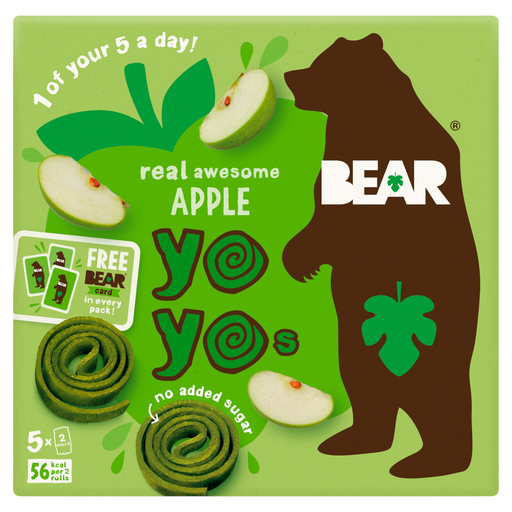
BEAR Apple Fruit Yoyos 100g
A fruit-based alternative to a cereal bar for a mid-morning snack. The listed pack is 100g; compare its current total-fat declaration per 100g and per portion, and check the ingredients and allergens before choosing it.
View on Joybuy
Questions about fat and snack bars
Does “Light” mean a snack bar is low fat?
No. For solid foods in Great Britain, the low-fat claim threshold set out in legislation published by legislation.gov.uk is no more than 3g fat per 100g. Weetabix Cereals lists 6.5g fat per 100g for Alpen Light Chocolate & Fudge, so its name and 65 kcal serving do not establish a low-fat claim.
Should I compare fat per bar or per 100g?
Use fat per 100g to compare bars of different sizes, then check the per-bar figure for the portion you would eat. Nature Valley UK distinguishes these two uses in its nutrition-label guidance.
Is a lower-sugar bar also lower in fat?
Not necessarily. The Joybuy listing for Nature Valley Oaty & Crispy Honey makes a lower-sugar comparison but lists 8.0g fat per 100g. Check the total-fat and sugar declarations separately.
What if I need to avoid nuts or other allergens?
Check the exact bar and its current allergen statement. The listed nākd. Blueberry Muffin bar contains cashews and almonds and may contain peanuts; the listed Nature Valley Protein Peanut & Chocolate bar contains peanuts, soya and milk and may contain tree nuts.


