What should you check on a snack bar?
Start with the portion and total carbohydrate; consider fat claims and other nutrition details in the context of your own eating plan.
| Priority |
What to check |
Your needs |
| Total carbohydrate |
Find carbohydrate per bar or calculate it from the stated serving if your portion differs. Compare the same portion size across flavours. |
I want to know whether the amount I would actually eat fits my carbohydrate allowance, rather than judging a bar by its size or a fat claim. |
| Nutrition claims |
Identify whether a claim refers to fat, sugar, protein or fibre. Read the carbohydrate, sugars and fat figures alongside it; a reduced-fat claim is a comparison about fat, not carbohydrate. |
A front-of-pack claim may catch my eye, but I need the full panel before deciding whether the bar suits my priorities. |
| Ingredients and portion |
Check the exact flavour for cereals, fruit, syrups and coatings, then confirm the bar weight and number of bars in the pack. |
If I am choosing between an oat bar and a nut-led bar, I want to compare the portions and carbohydrate declarations rather than assume either recipe fits. |
| Allergens |
Read the current ingredients list and any relevant “may contain” statement. Recheck when changing flavour or buying the same bar again. |
Peanuts, other nuts, milk, soy or gluten-containing cereals could rule out a bar for me regardless of its nutrition panel. |
| Prescribed diet |
For medically prescribed ketogenic dietary therapy, check the product and intended portion against your individual dietitian-calculated plan. |
I need an approved substitution, not a general “keto-friendly” description. Great Ormond Street Hospital describes the clinical diet as very high in fat and very low in carbohydrate. |
Brand ranges to compare
These brand examples show why the exact bar and portion matter more than a range-wide impression; they do not establish that any range is keto-compatible.
Graze
Graze markets Oat Boost flapjacks using a less-sugar comparison.
- The Oat Boost range offers an oat-based option for shoppers comparing cereal-style bars.
- A sugar comparison does not establish the total carbohydrate in your chosen bar or its fit with a ketogenic plan; check the current flavour’s panel.
Nature Valley
Nature Valley’s Peanut & Chocolate Protein Bar is a nut-led protein-bar example.
- Nature Valley UK lists 10.2g protein per 40g bar for this flavour.
- Its manufacturer-listed 11.0g carbohydrate per 40g bar still needs comparing with your allowance; check the current pack for ingredients and allergens.
Eat Natural
Eat Natural offers nut-based protein bars, including Dark Chocolate & Peanut.
- Eat Natural lists 7.8g protein and 14.5g fat per 40g bar for that variant.
- The same bar lists 13.4g carbohydrate and 10.0g sugars per 40g; inspect its allergen information as well as the nutrition figures.
Nakd
Nakd describes its fruit-and-nut bars as containing no added sugar or syrups.
- The fruit-and-nut format provides an alternative to oat-based or coated protein bars.
- “No added sugar” does not state total carbohydrate. Compare the current nutrition panel for the exact flavour and portion.
Trek
Trek’s Biscoff Protein Flapjack is an oat-and-soya-protein example.
- Tesco’s description states 9g plant protein per bar for this variant.
- Its protein figure does not establish carbohydrate fit; check the current nutrition declaration for the precise variant.
Alpen
Alpen Fruit & Nut is a cereal bar made with oats, rice and wheat.
- Weetabix Cereals lists 2.1g fat per 28g serving for this variant.
- The same serving lists 19g carbohydrate. Check the current ingredients and allergen information if cereals or nuts are a concern.
Joybuy snack bar options
These Joybuy listings are protein-bar options for comparing portions, ingredients and carbohydrate declarations. Their presence here is not a reduced-fat or keto-suitability claim.
 No image available
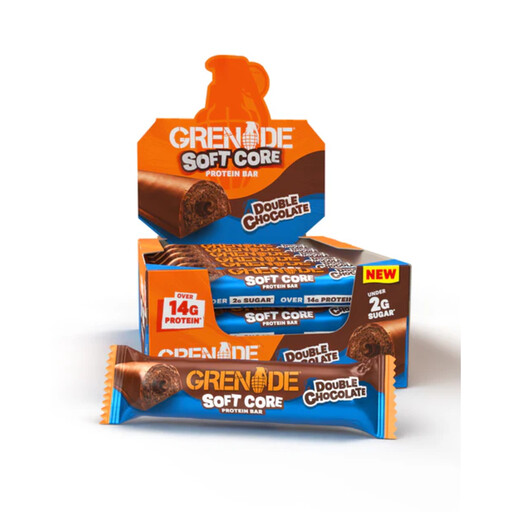
Grenade Soft Core Double Chocolate Protein Bar, 12 × 50g
For a carbohydrate-limited snack, compare the declaration for one 50g bar with the portion your plan allows.
Check the current ingredients and allergen information; the product title does not establish a reduced-fat claim.
View on Joybuy
 No image available
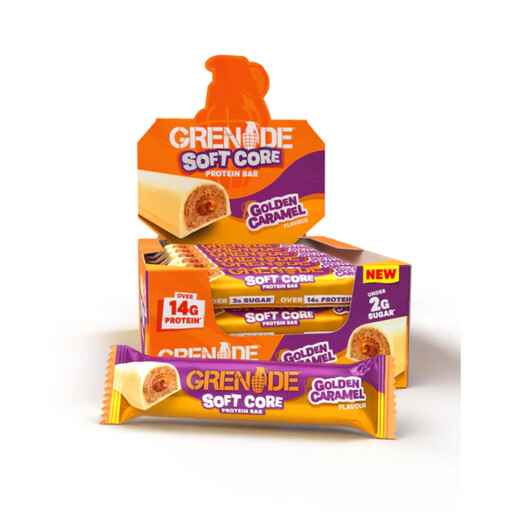
Grenade Soft Core Golden Caramel Protein Bar, 12 × 50g
If Golden Caramel is the flavour you would eat, use its own per-bar carbohydrate figure rather than the figure for another Grenade variant.
The listed pack contains twelve 50g bars; check the current label for ingredients, allergens and fat information.
View on Joybuy
 No image available
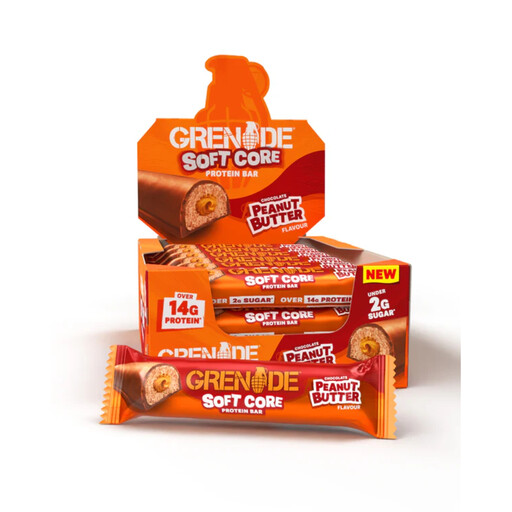
Grenade Soft Core Peanut Butter Protein Bar, 12 × 50g
Compare total carbohydrate for a 50g Peanut Butter bar with your intended portion; a peanut-flavoured name is not a guide to carbohydrate content.
Check the exact pack’s ingredients and allergen statements before choosing this flavour.
View on Joybuy
 No image available
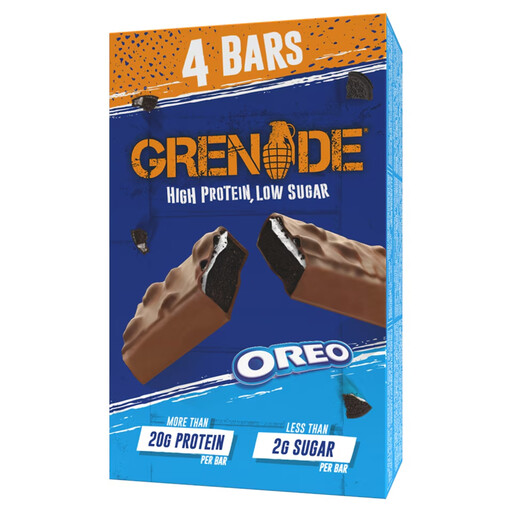
Grenade High Protein Low Sugar Oreo Flavour Bar, 4 × 60g
For this 60g bar, check total carbohydrate separately from the low-sugar wording in its name.
Compare its portion with the 50g bars if you are choosing between packs, and read the current ingredients and allergens.
View on Joybuy
 No image available
Nature Valley Protein Peanut & Chocolate Bar, 4 × 40g
If you are considering a nut-led protein bar, compare the current carbohydrate declaration for one 40g bar with your own allowance.
Nature Valley UK lists 11.0g carbohydrate per 40g bar for its Peanut & Chocolate variant, but confirm the figure and allergen information on the pack you receive.
View on Joybuy
Snack bar questions
Does “reduced fat” mean the same thing as “low fat”?
No. “Reduced fat” compares a product’s fat content with a similar product, while “low fat” is a separate nutrition claim. Neither tells you whether the bar’s total carbohydrate fits a ketogenic or low-carbohydrate eating plan.
Is a reduced-fat snack bar keto-friendly because it has less fat?
No: the fat comparison does not establish the bar’s carbohydrate content. Check total carbohydrate for your portion. If you follow a medically prescribed ketogenic diet, check any substitution against your individual plan; Great Ormond Street Hospital describes that diet as very high in fat and very low in carbohydrate.
Which figure should I check first for low-carbohydrate snacking?
Start with total carbohydrate for the whole bar or portion you intend to eat, then review sugars, ingredients and fat according to your priorities. For context, Eat Natural lists 13.4g carbohydrate per 40g Dark Chocolate & Peanut Protein Bar; another flavour or portion needs its own label check.
What if my ketogenic diet has been prescribed for epilepsy?
Use the product and portion rules in your individually calculated plan, and ask your ketogenic diet team before substituting an ordinary snack bar. Great Ormond Street Hospital describes ketogenic dietary therapy as very high in fat and very low in carbohydrate; a front-of-pack claim cannot establish compatibility with your plan.
How do I check allergens when buying a snack bar online?
Read the ingredient and allergen information for the exact flavour before ordering, including any relevant “may contain” statement, then check the physical pack before eating it. Recipes can change, and a different bar from the same brand may have a different allergen profile.


