People comparing fat content
If limiting fat is the reason for changing bars, start with total fat per 100g. A ‘less sugar’ or ‘no added sugar’ label answers a different question.


For an office packed lunch, compare a snack bar’s total fat per 100g before looking at its portion size: a small bar or a reduced-sugar claim does not establish that it is low in fat. For solid foods, legislation.gov.uk sets a maximum of 3g fat per 100g for a ‘low fat’ claim. Even Nature Valley Oaty & Crispy Honey, at 8.0g per 100g according to its Joybuy UK listing, is above that threshold; use the per-bar figures to decide how a particular portion fits your lunch.
If limiting fat is the reason for changing bars, start with total fat per 100g. A ‘less sugar’ or ‘no added sugar’ label answers a different question.
A bar eaten alongside lunch has a different role from a larger between-meal snack. Check both the pack’s portion size and its per-bar nutrition.
For vegan, gluten-free or allergen-related needs, read the ingredient and ‘may contain’ statements on the exact pack, particularly before bringing bars into a shared office.
Start with the fat figure that lets you compare different-sized bars, then look at the portion you would actually pack and any ingredient restrictions.
| Priority | What to check | Your needs |
|---|---|---|
| Fat claim | Compare total fat per 100g. For solid foods, legislation.gov.uk permits a ‘low fat’ claim only at no more than 3g per 100g. If a pack says ‘reduced fat’, check what similar product it is compared with. | I want the fat claim to match the nutrition panel, rather than relying on ‘less sugar’, ‘high protein’ or a small-looking bar. |
| Portion | Check the bar’s weight and per-bar nutrition after comparing per 100g. The named examples include 23g, 35g, 40g and 50g bars, according to their Joybuy UK, Tesco Groceries, Nature Valley UK and Snackfully listings. | A small bar may be enough alongside my packed lunch; for a larger snack, I want to see what the whole bar contains. |
| Other nutrients | Read fat, saturates, sugars and salt separately; GOV.UK says front-of-pack traffic-light labels show these measures when used. Check protein or fibre per bar if either matters to your choice. | I may want a protein or fruit-and-nut bar, but I do not want that description to stand in for a fat comparison. |
| Ingredients | Read the current ingredient and allergen statement, including ‘may contain’ wording. Check any vegan, dairy-free or gluten-free label on the exact product. | Before packing or sharing a bar at work, I need to know whether its ingredients conflict with a dietary restriction or workplace allergy policy. |
The claims describe different nutrients. Tesco Groceries lists Nakd Blueberry Muffin at 3.9g fat per 35g bar despite its no-added-sugar label.
If fat is your priority, compare total fat per 100g and check the basis of any ‘reduced fat’ wording.
A 23g oat bar and a 50g flapjack are different-sized portions, so per-bar figures alone do not give a like-for-like fat comparison.
Compare nutrition per 100g first, then use the per-bar figures to judge the portion going into your lunch.
Named fruit-and-nut and protein bars include nuts or peanuts, and some carry further precautionary allergen statements.
Check the exact pack’s ingredients and ‘may contain’ wording before buying or sharing it, and follow any workplace allergy policy.
Alpen Muesli lists Alpen Light Bars Chocolate & Orange among products it no longer makes.
Check that the particular bar is a current product and read its current nutrition panel before considering it for a reduced-fat lunch.
Its named oat and protein bars show why the type of bar matters as much as the brand.
Blueberry Muffin is a 35g fruit-and-nut bar labelled vegan, gluten free and dairy free in its Tesco Groceries listing.
Graze describes its Oat Boost range in terms of oats and reduced sugar.
Original Oat Protein Flapjack is a 50g option for someone considering a larger snack.
Its named peanut-and-chocolate protein bar illustrates the different priorities involved in choosing a nut-led snack.
An older ‘Light’ product name is not enough to select a current bar.
These individually portioned cereal and fruit-and-nut bars are options to consider for an office packed lunch. Check each current pack’s fat figures before choosing one specifically for a reduced-fat goal.
 Image unavailable
The 21.5g bar is a small portion to pack alongside lunch. Check the current pack’s total fat per 100g before selecting it for a reduced-fat requirement.
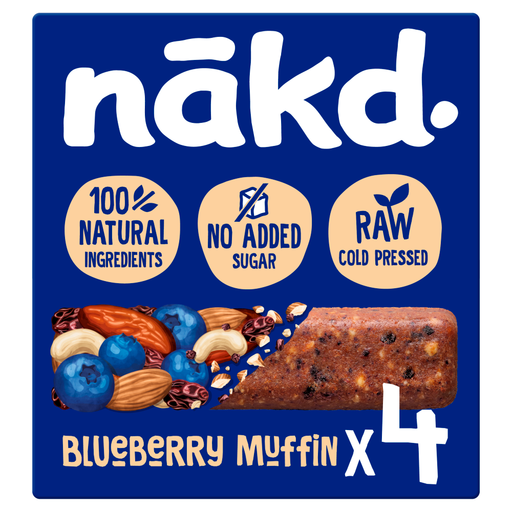 Image unavailable
This 35g fruit-and-nut bar offers a different lunchbox option if its ingredients suit you. Tesco Groceries lists 3.9g fat and 17g sugars per bar and labels it vegan, gluten free and dairy free. It contains cashews and almonds; check the current pack for other allergen statements.
 Image unavailable
The 21.5g portion may suit a short office break alongside a packed lunch. Compare the current pack’s per-100g fat figure with other bars; its portion size alone does not establish a low-fat claim.
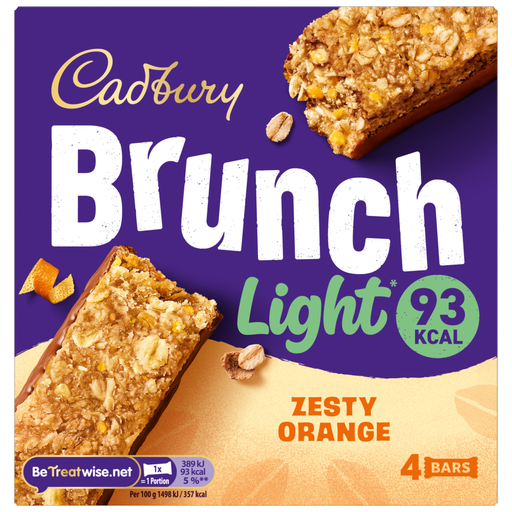 Image unavailable
This four-pack is another portioned cereal-bar option for an office lunch. ‘Light’ is part of the product name; check the current nutrition panel and any claim wording rather than assuming it means low fat.
No. Sugar and fat are separate figures on the nutrition panel. Compare total fat per 100g, and check the comparison behind any ‘reduced fat’ wording; for a ‘low fat’ claim on a solid food, legislation.gov.uk sets a maximum of 3g fat per 100g.
Use the per-100g nutrition for a like-for-like comparison, then read the per-bar figures for the portion you will pack. The named examples range from a 23g Nature Valley oat bar listed by Joybuy UK to a 50g Trek flapjack listed by Snackfully.
Read the exact pack’s ingredient and allergen statement, including any ‘may contain’ wording, and follow your workplace’s allergy policy. GOV.UK guidance identifies ingredients and allergens as part of the information required on pre-packed food labels.
Use the current pack for the final check, even if a product page helped you make a shortlist. Pay particular attention to the ingredient list and precautionary statements for nuts, peanuts, soya, milk and gluten-containing cereals where relevant.