Buyers looking for a reduced-fat claim
If reduced fat is the reason for buying, check the claim on the current UK pack and its comparison product. Protein, fibre and no-added-sugar messages answer different questions.


For an office biscuit tin, choose a bar labelled “reduced fat” only after checking what similar product it is compared with: legislation.gov.uk specifies a reduction of at least 30% for this type of claim. If you are comparing bars without that claim, use fat per 100g to compare different sizes, then keep each bar in its wrapper so colleagues can check the current ingredients and allergens.
If reduced fat is the reason for buying, check the claim on the current UK pack and its comparison product. Protein, fibre and no-added-sugar messages answer different questions.
Keep bars in their original wrappers so colleagues can read the ingredients and allergen information before choosing one. This matters especially when food allergies are known in the office.
Someone choosing by protein, fibre or a particular ingredient preference may reach a different decision from someone comparing fat. Check each variant rather than applying a range-wide description to every bar.
Decide whether the tin needs a bar with an explicit reduced-fat claim or simply options you can compare by their declared fat content. Then check serving size and allergens for the people sharing it.
| Priority | What to check | Your needs |
|---|---|---|
| Reduced-fat claim | Check the current UK label and the similar product used for comparison. For a “reduced fat” claim, legislation.gov.uk specifies at least 30% less fat than that comparator. | I want a bar that actually carries the claim, rather than one described only as natural, high-protein or lower in sugar. |
| Comparable fat figures | Compare fat per 100g before looking at fat per bar. For context, nākd. lists 14g per 100g for Cocoa Delight, while Tesco lists 22g per 100g for Graze Honey Oat Boost; these figures alone do not establish a reduced-fat claim. | Bar sizes vary, so I want to compare the products on the same basis before deciding what to put in the tin. |
| Allergen information | Keep the current ingredients and allergen label accessible. GOV.UK says regulated allergens used as ingredients must be emphasised in the ingredients list of pre-packed food. | Everyone using the tin needs to be able to check a bar for their own allergies or dietary restrictions before eating it. |
| Other nutrition priorities | Read protein and fibre values separately from fat. Tesco lists 12g of each per 44g TREK High Protein Choc Caramel bar, alongside 16g fat per 100g. | For some colleagues, protein or fibre matters more than a reduced-fat claim; I do not want to mistake one attribute for another. |
“Reduced fat” describes a comparison with a similar product; protein, fibre and no-added-sugar messages describe other attributes. A bar can carry one message without meeting the condition for another.
If reduced fat is the buying requirement, check for that specific claim on the current UK pack and read the comparison behind it.
A smaller bar can have less fat per serving without having less fat per 100g than a larger one.
Use the per-100g figures for a like-for-like comparison, then check the per-bar amount to understand the serving in the tin.
An unlabelled assortment makes it harder for colleagues to check ingredients and allergens. A vegan or gluten-free description does not address every allergy.
Leave the wrappers on and follow any allergy arrangements already in place at the office.
The product delivered may have a different recipe or pack size from one previously considered, changing the details that matter to your choice.
Check the current product information when ordering and the nutrition and allergen label on the packs that arrive.
A brand’s wider positioning cannot establish the fat content or allergen suitability of a particular bar. These examples show why the exact variant and its current label matter.
Fruit-and-nut bars, including Cocoa Delight.
Protein-bar and flapjack ranges for shoppers comparing protein and fibre as well as fat.
Oat-based bars, including Crunchy Apple & Cinnamon.
Oat Boost flapjacks and other snack products.
Nut- and fruit-led bars, including a Dark Chocolate & Peanut Protein Bar.
Cereal products with a Fruit & Nut bar variant described by Weetabix Cereals.
These cereal, fruit-and-nut and protein bar packs are options to consider for an office tin. Their inclusion does not establish a reduced-fat claim: compare the current nutrition panels and keep allergen information with the bars.
 No image available
For a tin offering smaller chocolate-flavoured bars, compare the current fat per 100g with other choices rather than relying on bar size. Keep the ingredient and allergen information available.
 No image available
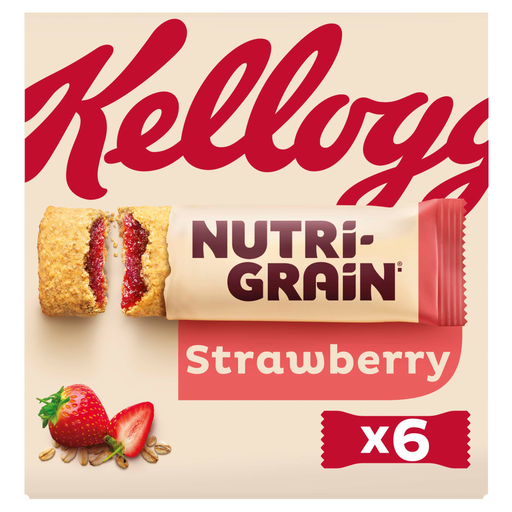
If colleagues prefer a strawberry-flavoured bar, check this pack’s current per-100g fat figure alongside the other options. Read the wrapper for ingredients and allergens before sharing.
 No image available
Consider this protein-bar pack if protein is a separate priority for the tin. Do not treat “protein” as a reduced-fat claim; check the current fat per 100g and allergen label.
 No image available
This fruit-and-nut pack offers a different type of bar for the tin, but the category name does not indicate reduced fat. Compare the current nutrition panel and make its nut and other allergen information easy to inspect.
 No image available
For a caramel-flavoured protein-bar option, assess protein and fat as separate figures on the current label. Check the ingredients and allergens before placing the bars in a shared tin.
No. A reduced-fat claim compares a product with a similar one: legislation.gov.uk specifies a reduction of at least 30%. Do not infer either claim just because a bar is small or has less fat than another bar in the tin; check the claim on the current UK label.
Compare their declared fat per 100g first, then check the amount per bar to understand each serving. A lower per-bar figure on a smaller bar does not, by itself, mean its recipe has less fat.
Yes. Keeping the original wrappers lets colleagues check current ingredients and allergens before choosing. GOV.UK states that regulated allergens used as ingredients must be emphasised in the ingredients list of pre-packed food.
No single dietary description covers every allergy. For example, nākd. lists cashews among the ingredients of Cocoa Delight. Check the exact product’s current ingredient and allergen label and follow any office allergy arrangements.