What should you check?
Start with whether the child can manage the food and whether its ingredients are suitable. Use the nutrition label to compare packaged options only after those checks.
| Priority | What to check | Your needs |
|---|
| Texture and nuts |
Look for whole nuts, peanuts or hard pieces, and assess whether the child can manage the bar’s texture. The NHS says not to give whole nuts or peanuts to children under 5 because they can choke. |
I need a snack my child can manage, not merely one described as soft or natural. |
| Sugar, salt and saturated fat |
Compare the nutrition information for the exact product, including per 100g values and the portion offered. Read traffic-light colours where shown rather than relying on a front-of-pack reduced-fat claim. |
When I choose a packaged snack, I want to compare its whole nutrition label rather than one highlighted nutrient. |
| Fat-related labels |
Distinguish an ordinary low-fat or light claim from a prescribed diet. NHS guidance recommends full-fat dairy foods up to age 2; Sheffield Children’s NHS Foundation Trust describes clinical fat restriction as an individual plan. |
Without a clinician-directed plan, I do not want to assume less fat makes a toddler snack more suitable. |
| Ingredients and allergens |
Read the ingredient list and allergen statement for the particular flavour each time. Check any exclusions relevant to your child as well as the form of nut ingredients. |
A different flavour could change what my child would be eating, even within a familiar range. |
Brand ranges to distinguish
These ranges include different kinds of snacks. Their positioning does not establish that every product, or any particular bar, suits a toddler.
Graze
Graze sells oat flapjacks as well as other snack formats.
- Its Oat Boost flapjacks provide a specific range to examine if you are comparing packaged bars.
- Graze also sells nut-based snacks. Check the exact ingredients, nutrition label and texture rather than applying one range’s claims to another.
nākd.
Its fruit-and-nut bars are made from pressed fruit and nuts, according to the brand.
- The brand states that these bars contain no added sugar.
- No added sugar does not resolve the question of fruit sugars, nut pieces, allergens or whether a toddler can manage the texture.
Nature Valley
The range includes crunchy oat bars and nut-based protein bars.
- Nature Valley’s ingredient guide distinguishes recipes by flavour and range.
- Its guide lists ingredients such as sugar, honey and nuts in relevant ranges. A crunchy or nut-containing bar needs a particularly careful texture and ingredient check.
Eat Natural
Eat Natural offers fruit-and-nut, cereal and protein bars, including some vegan and gluten-free options.
- The range gives buyers distinct formats and ingredient combinations to compare.
- A free-from description does not establish toddler suitability. Some bars contain crunchy nuts; inspect the particular recipe and texture.
TREK
TREK’s range includes plant-based protein flapjacks and protein bars.
- TREK states that its protein flapjacks contain 9g of plant-based protein per bar.
- Protein content does not establish that a flapjack’s portion, ingredients or texture are appropriate for a toddler.
Alpen
The cited Alpen No Added Sugar product is muesli, not a portable snack bar.
- Its ingredient and nutrition information can be assessed if choosing a bowl-based food at home.
- That muesli contains sliced hazelnuts and almonds. It cannot stand in for evidence about a reduced-fat toddler snack bar.
Joybuy options for snack time
These packaged options include a fruit pouch, an age-labelled soft oat bar and other bars or fruit snacks. They are not interchangeable: check each product’s ingredients and texture before deciding whether to offer it to a toddler.
 No image available
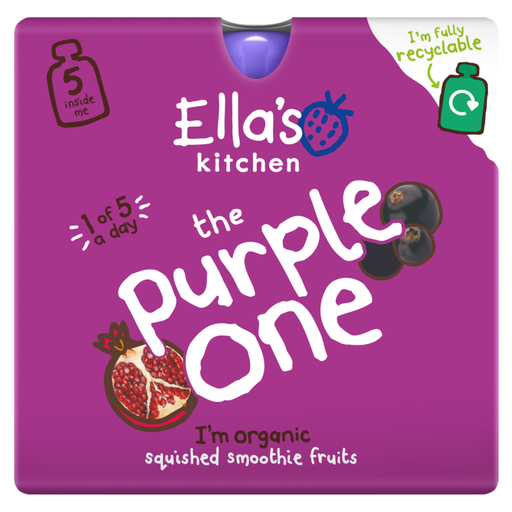
Ella's Kitchen The Purple One, 6+ months, 5 × 90g
This is a fruit pouch rather than a snack bar, so it answers a different portable-snack need. Keep its cap out of reach of children under 36 months because it can be a choking hazard.
View on Joybuy
 No image available
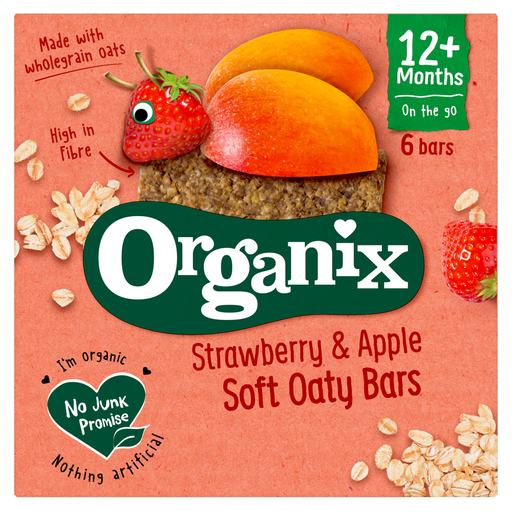
Organix Strawberry & Apple Soft Oaty Bars, 12+ months, 6 × 23g
The age-labelled soft oat-bar format is relevant when choosing a bar for a child of at least 12 months. Check the particular pack’s sugar information, allergens and texture before serving.
View on Joybuy
 No image available
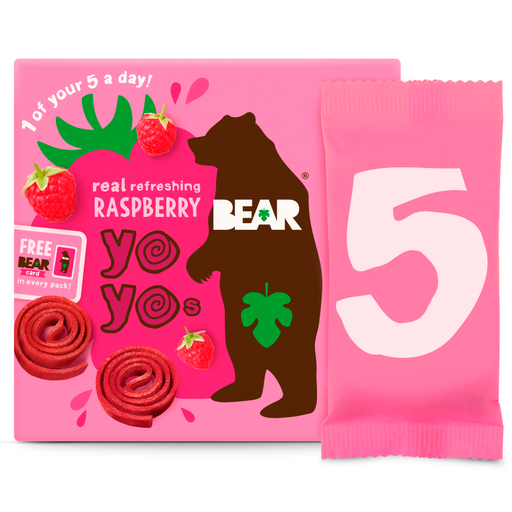
Bear Raspberry Yoyo, 5 × 20g
This portioned fruit snack is an alternative to an oat bar, not evidence that reduced fat makes it toddler-suitable. Check its texture, age information and sugar content on the pack before offering it.
View on Joybuy
 No image available
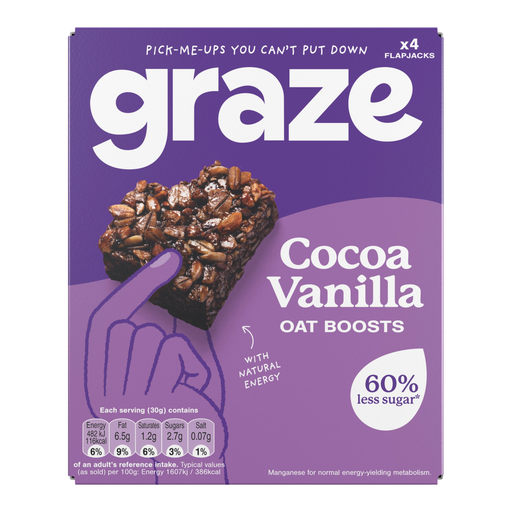
Graze Protein Bites Cocoa, Vanilla Oat Squares, 4 × 30g
If considering these oat squares for a toddler, assess the exact ingredients, nutrition label and eating texture. The Protein Bites name does not establish an appropriate age or portion.
View on Joybuy
 No image available
Nakd Peanut Delight, 4 × 35g
This peanut-containing bar calls for a different decision from a soft, age-labelled oat bar. Its nut-piece texture needs confirmation: do not give a bar containing whole nuts or peanuts to a child under 5, as the NHS warns they can choke.
View on Joybuy
Questions about toddler snacks
Should I choose a reduced-fat bar for a toddler?
Not on the reduced-fat claim alone. NHS guidance recommends full-fat cheese, yoghurt and fromage frais up to age 2, while clinical fat-restricted diets require an individual plan. For an ordinary packaged snack, check texture, ingredients and the full nutrition label.
What should I check first on a snack-bar pack?
Check whether the bar’s texture and ingredients are suitable for your child, including any whole nuts, peanuts and relevant allergens. The NHS says children under 5 should not be given whole nuts or peanuts because they can choke. Then compare the sugar, salt and saturated fat information.
Does “no added sugar” make a bar suitable?
No. It does not establish that the texture is manageable or that the ingredients suit your child. For example, nākd. says its fruit-and-nut bars have no added sugar, but they still require a check of the particular bar’s nuts, allergens and texture.
How often should children have packaged snacks?
NHS Healthier Families advises choosing fruit and vegetables for snacks and, when children have packaged snacks, aiming for no more than two a day. That is general guidance, not an endorsement or serving recommendation for a particular bar.


