Parents packing a nursery lunch
A convenient snack still needs to fit the child and the setting. NHS advice is to check the nursery’s food policy, including any peanut- or nut-free rules, rather than assuming a packaged bar is permitted.


Do not make reduced fat the deciding factor when choosing a snack bar for a nursery lunch. Department for Education guidance for early-years providers in England says children under two need a higher-fat diet than older children and adults, so there is no need to choose lower-fat foods for them. If you pack a bar, check the exact product, the child’s needs and the nursery’s food policy; NHS guidance notes that some nurseries are peanut- or nut-free.
A convenient snack still needs to fit the child and the setting. NHS advice is to check the nursery’s food policy, including any peanut- or nut-free rules, rather than assuming a packaged bar is permitted.
If a bar is a practical option, compare its ingredients and nutrition information rather than using a reduced-fat claim to judge the whole product. NHS snack advice puts fruit and vegetables first and suggests aiming for no more than two packaged snacks a day.
Check the exact product’s allergen information alongside the nursery’s arrangements. NHS advises telling the nursery or childminder if a child has a food allergy.
Start with the child’s age and the nursery’s policy, then compare the food itself. Reduced-fat wording cannot answer those questions on its own.
| Priority | What to check | Your needs |
|---|---|---|
| Age and food choice | Check the age guidance on the pack and consider what else is in the lunchbox. For children under two, Department for Education guidance for early-years providers in England says there is no need to choose foods for being lower fat. | I want a snack that suits my child’s age, not one chosen just because the front says reduced fat. |
| Nursery policy | Ask what the setting permits, particularly for peanuts and nuts. NHS notes that some nurseries have peanut- or nut-free policies. | A bar is useful only if my child’s nursery will accept that exact product. |
| Allergens | Read the exact pack’s ingredients, allergen declarations and may-contain wording. Tell the nursery or childminder about a child’s food allergy, as NHS advises. | Before packing anything new, I need to know whether its ingredients fit my child’s requirements and the setting’s rules. |
| Nutrition label | Compare the full nutrition information, including sugars, fat and fibre, using the same basis such as per 100 g. Check the portion size as well as any front-of-pack claim. | I’d rather understand what is in the portion I’m packing than rely on a single reduced-fat or no-added-sugar message. |
| Packaged or unpackaged | Consider whether fruit or vegetables would work instead. NHS snack advice favours these and suggests aiming for no more than two packaged snacks a day. | Some days I need a packaged option; on others, fruit or vegetables may be just as practical. |
A fat comparison says little about the child’s age, the portion or the rest of the lunch. Department for Education guidance for early-years providers in England specifically says there is no need to choose lower-fat foods for children under two.
Check age guidance, the full label and the nursery’s policy before deciding whether the product belongs in the lunchbox.
NHS notes that some nurseries are peanut- or nut-free. Ingredients also vary between products: Nature Valley identifies peanuts and almonds in its Salted Caramel Nut Protein bar, while Alpen lists hazelnuts and almonds in its No Added Sugar muesli.
Ask the nursery about its current policy and read the exact product’s allergen and may-contain statements before packing it.
The two labels describe different things. Nakd describes its bars as fruit-and-nut products with no added sugar, so that wording cannot establish whether a bar meets a nursery’s nut policy.
Check the ingredient and allergen information separately from nutrition claims.
The Department for Education’s Early Years Foundation Stage nutrition guidance is for early-years providers in England. It does not establish the food rules for every setting across the UK.
Obtain your nursery’s current lunchbox and allergy policy; outside England, check the guidance applicable to that setting.
A brand name or range-wide message cannot establish whether a particular bar is suitable for a nursery lunch. Use these examples to identify which pack details need closer attention.
Graze makes Oat Boost flapjacks and other snacks.
Nature Valley’s range includes crunchy, oat and protein bars.
Alpen offers cereal-style products, but its No Added Sugar muesli is not a snack-bar substitute to judge by its name alone.
Eat Natural sells fruit-and-nut bars alongside other cereal products.
Nakd describes its range as pressed fruit-and-nut bars without added sugar or syrups.
Trek offers oat-based protein flapjacks.
These options include three age-labelled, non-bar snacks and one Graze oat bar. They serve different lunchbox needs; none should be chosen for a nursery solely because of a reduced-fat message.
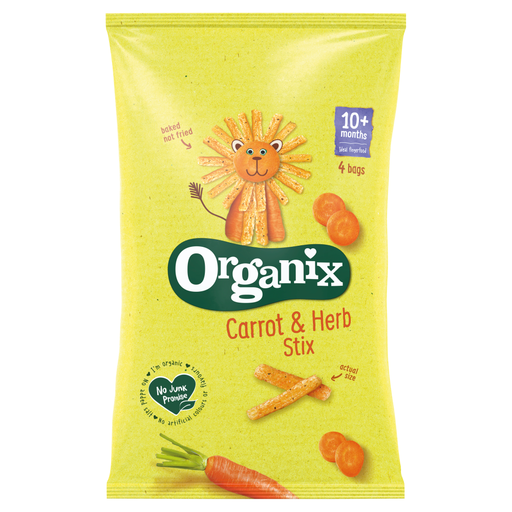 No image available
An age-labelled, non-bar option if you want to compare packaged snacks for a nursery lunch. Check the current pack’s ingredients and the nursery’s food policy.
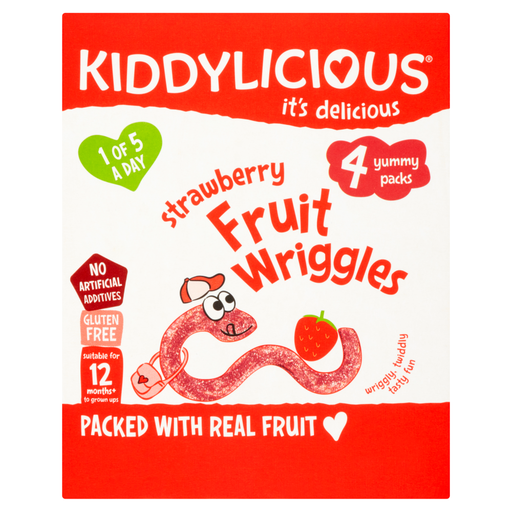 No image available
A fruit snack labelled for ages 12 months and over, rather than a reduced-fat bar. Compare the sugars information and portion size on the pack, as well as the nursery’s rules.
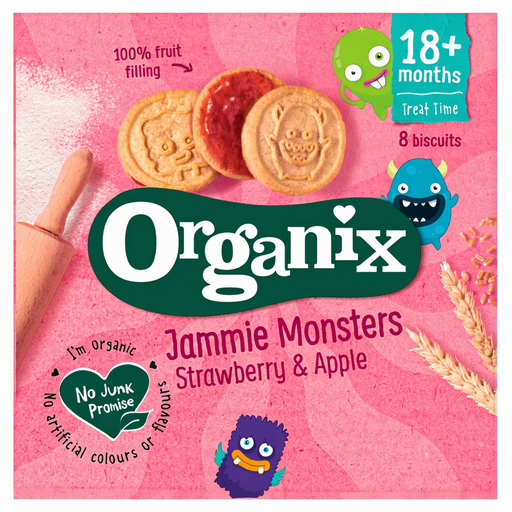 No image available
An age-labelled strawberry-and-apple snack for children aged 18 months and over. Check the current pack’s sugars and allergen information, including wheat, before adding it to a nursery lunch.
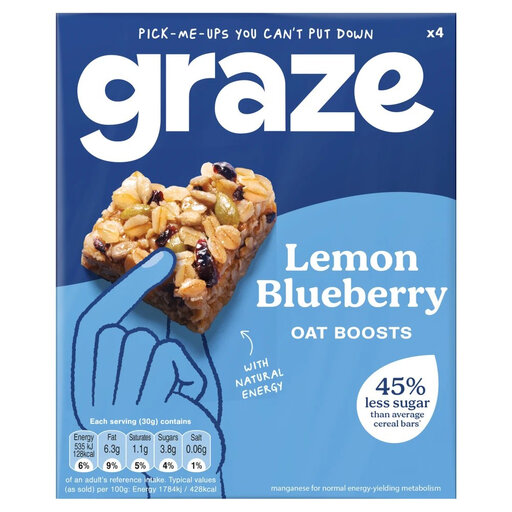 No image available
The oat-bar option in this selection, supplied as 4 x 30 g bars. Its listed limitation includes a may-contain warning for nuts and peanuts; confirm the wording on the current pack and ask the nursery whether it permits the product.
Not on that claim alone. Department for Education guidance for early-years providers in England says children under two need a higher-fat diet than older children and adults, so there is no need to compare foods to choose lower-fat options for them. For any nursery lunch, check the individual food and the setting’s policy.
Check the nursery’s food policy, then read the exact pack’s ingredients, allergen and may-contain statements, portion size and nutrition information. NHS notes that some nurseries are peanut- or nut-free and advises telling the nursery or childminder if a child has a food allergy.
Fruit or vegetables are options to consider if they work for your child and the nursery’s arrangements. NHS snack guidance favours fruit and vegetables and suggests aiming for no more than two packaged snacks a day.
No. The Department for Education identifies its Early Years Foundation Stage nutrition guidance as guidance for early-years providers in England. For a setting elsewhere in the UK, check the guidance applicable there and the nursery’s own food policy.