Do not assume that a fruit, oat or protein bar is reduced fat because of its name or other claims. NHS guidance puts the low-fat threshold for solid foods at 3g total fat or less per 100g; none of the four named bars compared below meets it. For a party bag, check the current pack’s fat, sugars and portion information, and establish guests’ allergy requirements before choosing a bar.
Who is this for?
Hosts with a strict low-fat requirement
Compare total fat per 100g rather than relying on fruit, wholegrain or no-added-sugar wording. If a bar must meet the NHS low-fat threshold, check its current nutrition panel before making it part of the party bag.
Hosts planning around food allergies
Ask parents or carers about each child’s requirements before buying. Check the exact pack’s ingredients and precautionary allergen wording, rather than assuming a familiar brand or a vegan label answers an allergy question.
Hosts who want a convenient packaged snack
If a wrapped bar suits the party-bag plan, compare its per-100g nutrition values first, then check the portion size, packaging and allergens for the particular product you intend to use.
What should you check?
Set the fat requirement first, then assess the whole pack and the needs of the children receiving it. A smaller portion and a lower-fat formulation answer different questions.
| Priority |
What to check |
Your needs |
| Fat claim |
Read total fat per 100g. NHS guidance calls a solid food low fat at 3g or less per 100g. Treat a reduced-fat claim as a comparison, and check what similar product it is compared with. |
I need to know whether the bar meets a strict low-fat requirement, not just whether its packaging suggests it is lighter than another snack. |
| Whole nutrition panel |
Compare sugars, saturates and salt as well as total fat, using the same per-100g basis. Where traffic-light labels appear, check the nutrition panel behind them. |
A lower fat figure alone does not settle my party-bag choice; I also want to see what else is in the portion I plan to give out. |
| Allergens |
Ask about guests’ requirements before buying. Read the exact pack’s ingredient list, emphasised allergens and any relevant precautionary wording. |
Every child needs an option that fits their declared requirements, so I cannot choose a nut-based or other potentially unsuitable bar for the whole group by default. |
| Portion and packaging |
Use per-100g values to compare products, then read the per-bar value and pack size. Confirm whether portions are separately wrapped if the bags will be assembled in advance. |
I want to know what one child would receive, without mistaking a small bar for a low-fat product. |
| Bar or alternative |
If a low-fat bar is essential, verify the current label against that requirement. If the format is flexible, consider a fruit or vegetable-based snack and its preparation and storage needs. |
A packaged bar may be convenient, but I can choose another format when the available bar does not meet the condition that matters to me. |
Common buying mistakes
-
Reading other claims as a fat claim
Words such as natural, wholegrain, protein and no added sugar describe different characteristics; none establishes that a bar is low fat or reduced fat.
Start with total fat per 100g. If reduced fat is claimed, check the stated comparison, then read sugars, saturates and salt on the same pack.
-
Comparing bars only by their per-serving figures
Different bar sizes can make per-bar figures difficult to compare on a like-for-like basis.
Compare per-100g values first, then use the per-bar figures to work out what each party bag would contain.
-
Buying before asking about allergies
The reviewed nākd. Peanut Delight contains peanuts, while the reviewed Eat Natural Apple bar contains almonds. A general description such as vegan does not answer a child-specific allergy question.
Ask parents or carers before shopping, keep the packaging available for label checks and arrange a suitable alternative where needed.
-
Planning around an old light-bar listing
Alpen’s UK FAQ lists former bar varieties, including Alpen Light Bars Chocolate & Orange, as no longer made.
For any proposed replacement, check a current product listing and its own nutrition and ingredient information before adding it to the plan.
Brand references for checking labels
These brand ranges offer different bar styles, but a brand name cannot establish the fat content or allergen information of a particular flavour or pack.
Graze
Graze sells Oat Boost flapjacks alongside other snacks.
- Graze publishes its own comparisons for sugar and saturated fat in its Oat Boost range.
- Those range-level statements do not identify an individual flavour as low fat. Check the current pack’s total fat figure.
Nature Valley
Its range includes Crunchy Oats & Honey snack bars.
- The named family-pack bar has published per-100g nutrition information on Nature Valley UK’s product page.
- That product lists 18.1g fat and 26.8g sugars per 100g, and its allergen wording includes possible soy, wheat, peanuts and tree nuts.
Alpen
Alpen’s UK product information includes muesli; older references to its light bars need particular care.
- Its own FAQ identifies former products by name, which helps distinguish them from a current selection.
- The FAQ lists Alpen Light Bars Chocolate & Orange among products no longer made. Check any different, current product on its own terms.
Eat Natural
Eat Natural offers fruit-and-nut and soft-fruit bar styles.
- Tesco Groceries lists 4.9g fat per 100g for the reviewed Apple Soft Fruit Bar, below the figures for the other three named bars considered here.
- The same listing gives 55g sugars per 100g and includes almonds. At 4.9g fat per 100g, it does not meet the NHS low-fat threshold.
nākd.
The range includes fruit-and-nut bars, including Peanut Delight.
- The reviewed Peanut Delight has a no-added-sugar description.
- Tesco Groceries lists 23g fat and 35g total sugars per 100g for that product; its ingredients include peanuts.
TREK
TREK’s range includes oat protein flapjacks.
- The reviewed Original Oat Protein Flapjack has a published per-100g nutrition panel.
- Tesco Groceries lists 19g fat and 23g sugars per 100g for that product, with precautionary wording for peanuts, nuts and milk.
Joybuy product options for party bags
These options include fruit-based snacks and oat or chocolate bars in different pack formats. Compare each current pack with your fat requirement and guests’ dietary needs; inclusion here does not identify a product as reduced fat.
 No image available
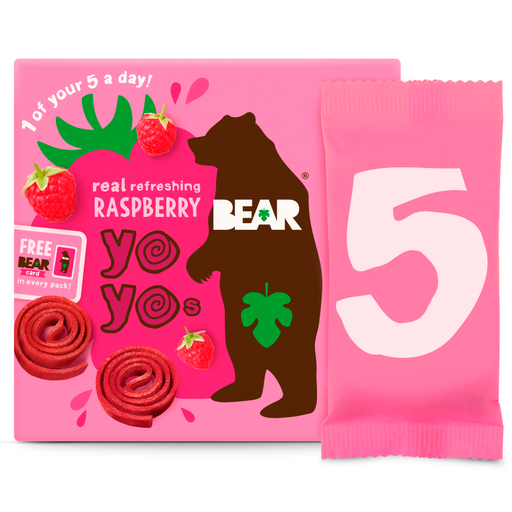
Bear Raspberry Yoyo 5 x 20g
A raspberry snack to consider if the party bag does not need to contain a conventional cereal bar.
The pack name specifies five 20g portions. Check the current nutrition, ingredients and individual packaging before allocating them to guests.
View on Joybuy
 No image available
O'Say Astronaut Hawthorn Bar 85g
A hawthorn bar for hosts considering a fruit-based format rather than an oat bar.
The listing names an 85g pack; check its portion arrangement before using it in individual bags. Read the current sugars, fat and ingredient information as well.
View on Joybuy
 No image available
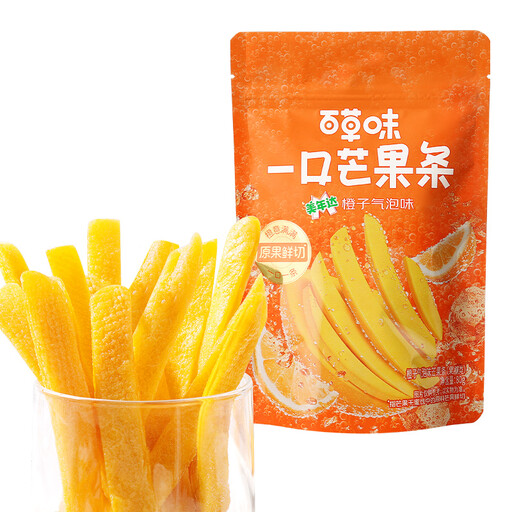
Be&Cheery One-Bite Mango Bars, Orange Sparkling Flavour, 80g
A mango-bar option for a party bag where a conventional oat or nut bar is not required.
The named pack is 80g. Check the current per-100g nutrition panel, ingredients, allergen wording and number of portions before choosing it for guests.
View on Joybuy
 No image available
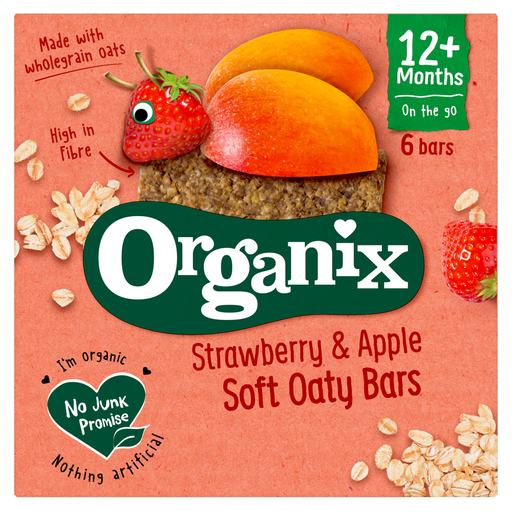
Organix Strawberry & Apple Soft Oaty Bars 12+ Months, 6 x 23g
A soft oaty-bar format to assess when a packaged bar is part of the party-bag plan.
The title specifies six 23g bars and a 12+ months age designation. Check the current fat figure and allergen wording for this exact pack; the age designation does not settle either question.
View on Joybuy
 No image available
Special K Dark Chocolate Snack 6 x 21.5g
A chocolate snack-bar format for hosts who want a portioned packaged option.
The pack name specifies six 21.5g bars. Compare its per-100g fat and sugars with other options, and check the current ingredients against guests’ dietary requirements.
View on Joybuy
Questions about party-bag snacks
Is a reduced-fat snack bar the same as a low-fat bar?
No. Reduced fat describes a comparison with a similar food, while NHS guidance describes a low-fat solid food as containing no more than 3g total fat per 100g. Check the current pack’s comparison and nutrition panel rather than treating the two descriptions as interchangeable.
Do any of the four named bars compared here meet the NHS low-fat threshold?
No. Tesco Groceries lists 4.9g fat per 100g for Eat Natural Apple Soft Fruit Bars, 19g for TREK Original Oat Protein Flapjack and 23g for nākd. Peanut Delight; Nature Valley UK lists 18.1g for Crunchy Oats & Honey. Each exceeds the NHS threshold of 3g or less per 100g for a low-fat solid food.
Does no added sugar mean a bar is reduced fat?
No. The phrases concern different nutrients. For example, the reviewed nākd. Peanut Delight has a no-added-sugar description, while Tesco Groceries lists 23g total fat and 35g total sugars per 100g for that bar.
What should I do about allergies before filling party bags?
Ask parents or carers about children’s requirements before buying, then check the exact prepacked product’s ingredients and allergen wording. GOV.UK explains that food businesses must identify specified allergens used as ingredients; Anaphylaxis UK’s event guidance also advises discussing a child’s requirements with their parent or carer when planning food activities.


