Large households buying everyday breakfast staples
If porridge is served often or oats are used for baking, pack size and storage practicality can matter alongside the nutrition panel.


For a large household keeping breakfast salt low, start with plain oats whose current label shows no more than 0.3g salt per 100g, then choose the pack size and oat format around storage and routine. Standard 1kg rolled oats suit an everyday cupboard staple, while larger jumbo packs suit frequent use and a thicker texture; sachets are mainly a convenience option. Check the oats as sold separately from milk, toppings and any added salt.
If porridge is served often or oats are used for baking, pack size and storage practicality can matter alongside the nutrition panel.
Choose a plain oat base with a clear salt value, then consider whether milk, toppings or seasoning add salt to the finished bowl. NHS guidance and nidirect both advise checking food labels for salt.
Standard rolled oats, jumbo oats and portioned quick oats suit different routines, from batch cooking to a faster weekday breakfast.
Read the dry-product label first, then compare pack format, preparation and allergen information for the way your household actually uses oats.
| Priority | What to check | Your needs |
|---|---|---|
| Salt in the oats | Check salt per 100g for the product as sold. nidirect describes 0.3g salt or less per 100g as low in salt. Compare dry oats or oats prepared with water, not a serving made with milk. | I want to know what comes from the oats themselves before choosing milk, toppings or seasoning for each bowl. |
| Pack size and storage | Check pack weight, stated portions where supplied and storage guidance after opening. Larger packs need enough dry cupboard space and a suitable container. | We use oats regularly, so a pack should last without leaving an opened bag difficult to keep in good condition. |
| Texture and routine | Choose standard rolled oats for a familiar everyday format, jumbo oats for a more substantial texture, or sachets where microwave preparation and portioning are the main requirement. Follow the current pack instructions. | Some mornings call for a quick bowl, while other meals and baking benefit from a thicker oat texture. |
| Allergen suitability | Read the current ingredients, allergen declaration and any may-contain warning. Where a gluten-free product is required, look for the necessary specific claim rather than assuming ordinary oats are suitable. | Plain ingredients do not remove the need to check for wheat, barley, other gluten sources or nut warnings. |
A prepared nutrition panel can include salt from the milk. In the checked Quaker rolled-oat listing, the dry 40g oats show 0g salt, while a serving made with semi-skimmed milk shows 0.30g.
Compare salt per 100g for the product as sold first, then choose the milk, toppings and seasoning separately.
Plain oats can still carry cross-contact warnings. The checked Quaker listing notes wheat and barley, while Jordans warns of other gluten sources and nuts.
If gluten-free status or nut avoidance is necessary, choose only a current pack whose allergen declaration and free-from claim meet that specific need.
Sachets can save preparation time, but individual portions may be less convenient when several bowls are needed at once.
Use sachets where their portioning and speed solve a genuine routine problem; otherwise, consider plain oats that can be portioned at home.
A low-salt oat base does not determine the salt content of the finished breakfast if salty toppings or added table salt are used.
Keep the oat base plain and use options such as fruit, cinnamon, herbs, spices, garlic, chilli or lemon juice where they suit the dish and household preferences. NHS guidance advises tasting food before adding extra salt.
A plain own-label porridge-oat route for shoppers seeking a straightforward family-size staple.
A relevant option for households seeking jumbo oats and larger pack formats rather than only conventional rolled oats.
A mainstream option with plain rolled oats and microwaveable sachets for different household routines.
A plain Irish rolled-oat option for households that prefer a simple wholegrain oat ingredient list and traditional porridge texture.
An organic plain-oat route for households that prioritise organic ingredients.
Joybuy product options for a large household seeking plain porridge oats with a stated low salt value, including standard rolled, jumbo and organic pack formats.
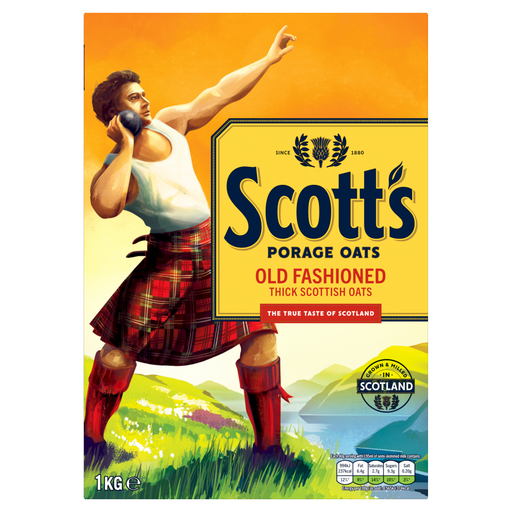 No image available
A plain 1kg rolled-oat base for household-specific toppings, with hob and microwave instructions for thicker porridge.
100% rolled oats; 0g salt per 100g. May contain wheat and barley, so it is not confirmed suitable where a gluten-free product is required.
 No image available
A 1kg plain porridge-oat option with 25 stated portions and airtight-container storage guidance after opening.
100% oatmeal; 0g salt per 100g and per 40g oats. May contain wheat and barley; check the current pack for cooking instructions and liquid ratio.
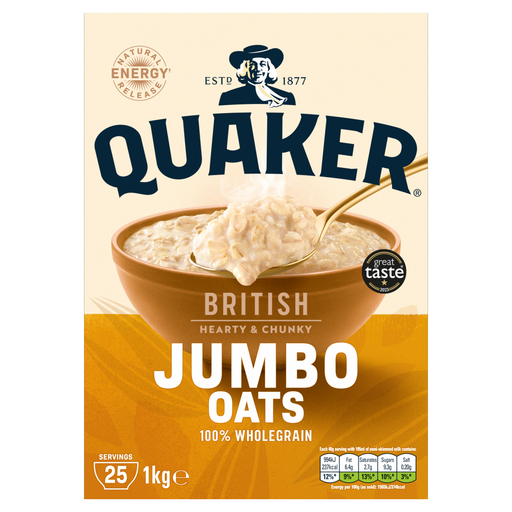 No image available
A 1kg jumbo-oat option for porridge, overnight oats or baking where a more substantial texture is wanted.
100% wholegrain oat flakes; 0.01g salt per 100g. May contain traces of wheat; check the current pack for cooking method, time and liquid ratio.
 No image available
A two-pack option for a large household seeking organic plain oats while keeping unopened packs separate.
2kg total in two 1kg packs; 100% organic wholegrain oat flakes; less than 0.01g salt per 100g. Contains oats (gluten); check the current pack for preparation instructions.
 No image available
A 1kg organic plain-oat base for porridge with different toppings chosen separately for each household member.
100% organic wholegrain oat flakes; less than 0.01g salt per 100g. Contains oats (gluten); check the current pack for preparation instructions.
Several checked plain-oat products list 0g or very small salt amounts per 100g, but check the current pack every time. nidirect describes 0.3g salt or less per 100g as low in salt, so use the product-as-sold value for a like-for-like comparison.
A nutrition panel may show a serving made with milk rather than the oats alone. The checked Quaker listing shows 0g salt for 40g dry oats and 0.30g for a serving made with 300ml semi-skimmed milk, so assess the liquid and toppings separately.
NHS guidance gives whole-day maximum amounts of 2g for children aged 1 to 3, 3g for ages 4 to 6, and 5g for ages 7 to 10; adults should have no more than 6g a day. These are daily limits rather than a target for one breakfast.
Choose jumbo oats when your household prefers a thicker, more textured porridge or regularly makes flapjacks. Choose ordinary rolled oats for a familiar everyday format; follow each pack's cooking instructions because timings and liquid ratios can differ.
Not automatically. The checked Quaker Rolled Oats listing says the product may contain barley and wheat, while Jordans Organic Porridge warns of other gluten sources and nuts. Select a product carrying the necessary specific claim and read the current allergen statement each time.