
24/7 Customer Support

Free returns

Same-day & Next-day Delivery

Quality Guaranteed

Unlock Your Welcome Offers: FREE Delivery | Up to 80% OFF | Free 30-day JoyPlus trial
Download the APP
Reducing salt in home cooking does not mean giving up savoury depth. The challenge is choosing a reduced salt soy sauce that suits your recipes, dietary requirements and shopping habits, rather than relying on front-of-pack wording alone.
For UK shoppers, three common pitfalls can lead to the wrong purchase:
The following points can help you compare low salt soy sauce, less salt soy sauce and reduced sodium soy sauce more accurately.
UK nutrition panels generally list salt per 100ml, which makes different bottle sizes easier to compare. Remember that salt and sodium are not identical measurements: salt is the figure shown on most UK food labels, while sodium is one component of salt.
The products in this selection vary considerably. For example:
This shows why “reduced salt” should be treated as a comparison with a standard version, rather than as a guarantee of a low numerical salt content. If you are following specific dietary advice, check the label and seek guidance from an appropriate healthcare professional.
Light soy sauce is commonly used for seasoning, dipping and stir-fries. It generally adds savoury flavour without the deep colour associated with dark soy sauce. Chinese soy sauce and Japanese soy sauce can differ in sweetness, fermentation style and intended use, so the label’s culinary guidance is useful.
For example, a Japanese-style sauce may suit sushi, noodles and gyoza, while a Chinese light soy sauce may be more familiar in stir-fries, cold dishes and marinades. A steamed fish soy sauce is a more specialised option, often balanced for drizzling over delicate seafood after cooking.
Many conventional soy sauces contain wheat, meaning they are not suitable for people avoiding gluten. Do not assume that “Japanese”, “light” or “reduced salt” means gluten-free. Look for a clear gluten-free statement or certification, then check the ingredients and allergen information on the bottle.
Yutaka Reduced Salt Gluten Free Soy Sauce is made with soybeans, salt, rice and alcohol, with soy listed as the allergen. By contrast, most of the Chinese-style options below contain wheat or cereals containing gluten.
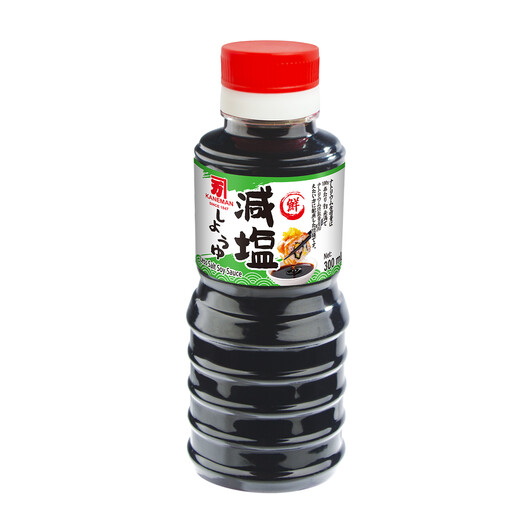
Why This Fits Their Persona: A practical 300ml size for UK households trying a reduced-salt seasoning without committing to a larger bottle.
Its listed salt value is 8.56g per 100ml, so buyers can make a more informed comparison than relying on “less salt” wording alone.
Suitable for cold dishes, dipping sauces, stir-fries and braised dishes; shake well before use.
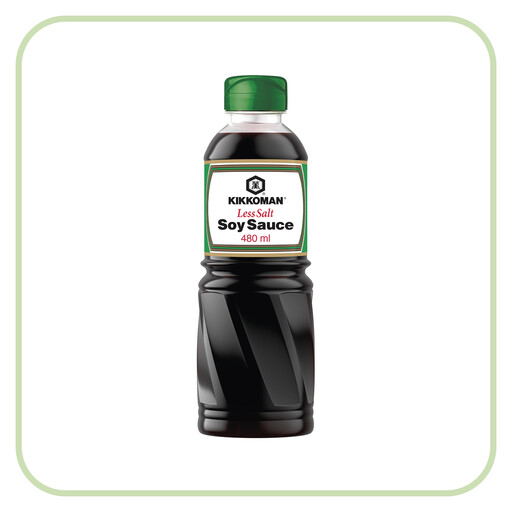
Why This Fits Their Persona: A larger Japanese-style bottle for cooks who regularly prepare sushi, noodles, marinades, soups and stir-fries.
The listing states 25% less sodium than the regular version and gives an approximate salt value of 5.0g per 100ml.
Made with water, soybeans, wheat and salt; suitable for cooking, dipping and dressings.
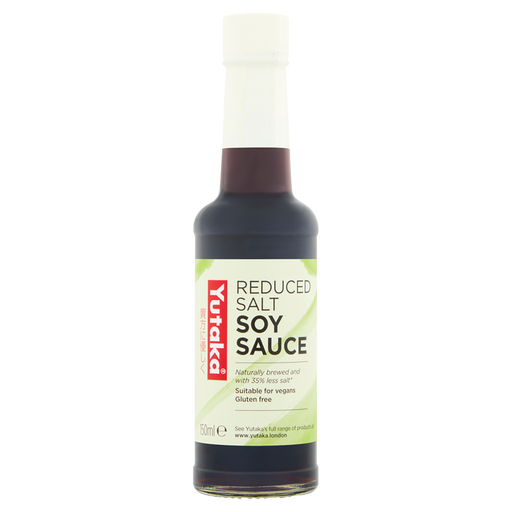
Why This Fits Their Persona: A smaller bottle with a stated gluten-free certification for shoppers checking wheat and gluten carefully.
It separates the gluten-free requirement from the reduced-salt claim, helping buyers check both criteria independently.
Contains soy but no wheat in the listed ingredients; suitable for marinades, dipping and everyday seasoning.
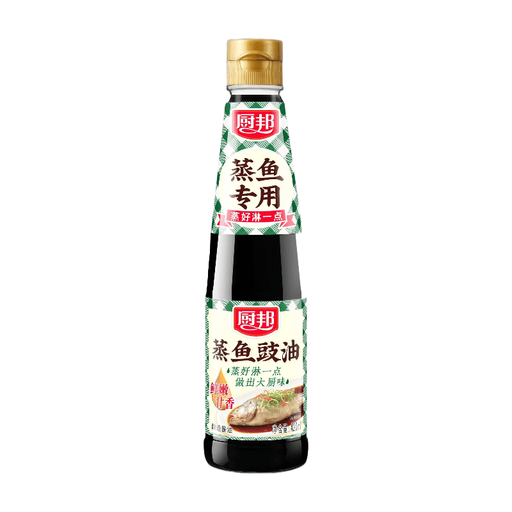
Why This Fits Their Persona: Designed for cooks who frequently prepare steamed fish, blanched seafood and cold dishes.
It is selected for a defined culinary purpose rather than being presented as an all-purpose reduced-salt product; its listed salt content is 16.6g per 100ml.
Ready to drizzle over steamed fish; also suitable for blanching, cold dishes and stir-fries.
Use a measuring spoon rather than pouring directly into a wok or bowl. For stir-fries, add the sauce near the end so its aroma remains noticeable, then taste before adding more. In marinades, combine it with ginger, garlic, rice vinegar or citrus to build flavour without relying solely on salt.
For dipping, mix a smaller quantity with vinegar, chilli, spring onion or sesame oil. This creates more volume and complexity while keeping the soy sauce portion controlled. A reduced sodium soy sauce can also work in dressings, soups and noodle dishes, but remember that other ingredients such as stock cubes, oyster sauce and chilli bean paste may also contribute salt.
Store an opened bottle according to its label. Refrigeration is recommended for some products, while others can remain in a cool, dry cupboard. Always check the packaging for storage instructions and the best-before information.
We have compiled a complete, real-time list of products that fully satisfy these strict selection criteria and UK safety regulations.
Yes. Most reduced salt and low salt soy sauces are suitable for stir-fries. Add a modest amount towards the end of cooking, taste the dish and adjust gradually. Check whether the product is a light soy sauce or a specialised seasoning, as flavour and colour can differ.
No. Gluten-free describes the absence or control of gluten-containing ingredients; it does not automatically indicate a lower salt level. Check both the gluten-free statement and the nutrition panel before buying.
Shelf-life guidance varies by product. Some labels recommend refrigeration and use within four weeks, while others suggest using the bottle within three to six months for best quality. Keep the cap clean, store the bottle as directed and discard it if the appearance or smell changes noticeably.