Tea-and-biscuit shoppers
If you want chocolate with an oat biscuit or a coated biscuit alongside tea or coffee, check what a reduced-sugar claim compares the product with. The claim does not compare every biscuit on the shelf.


For a familiar biscuit with tea or coffee, start with a format you would enjoy and a sugar claim whose comparison you understand: Tesco’s listings carry reduced-sugar claims for Nairn’s oat biscuits and Weight Watchers chocolate biscuits, but their different comparators do not show which has less sugar per serving. If you prefer a no-added-sugar or sugar-free biscuit, check its full nutrition panel, ingredients and allergens; neither label alone settles the portion or energy question.
The useful starting point for elevenses is whether biscuit style, portion format or sweetener ingredients matter most to you.
If you want chocolate with an oat biscuit or a coated biscuit alongside tea or coffee, check what a reduced-sugar claim compares the product with. The claim does not compare every biscuit on the shelf.
A multipack or stated serving can help you choose an amount for mid-morning. Read sugars and energy for that serving as well as per 100g; the pack format does not establish either value.
If a no-added-sugar or sugar-free biscuit appeals to you, read the ingredients, nutrition declaration and allergen information. The type of sweetener matters too, particularly if you are considering a biscuit containing polyols.
Choose the biscuit style first, then check what its sugar wording means and how the stated serving fits your elevenses.
| Priority | What to check | Your needs |
|---|---|---|
| Sugar claim | For a reduced-sugar claim, identify the named comparator. For no-added-sugar or sugar-free wording, read the current ingredients and total sugars rather than treating the phrases as interchangeable. | I want to know whether the claim describes a reduction against another biscuit or a different formulation, not assume that either means a low-sugar serving. |
| Biscuit style | Check whether the pack contains an oat biscuit with chocolate chips, a chocolate-coated biscuit, a sandwich biscuit or a cookie. These are different choices even when their sugar claims sound similar. | For tea or coffee, I would choose a biscuit format I actually want to eat; a sandwich cookie is not a direct substitute for an oat biscuit. |
| Serving | Read the labelled serving size and its sugars and energy. Use per 100g figures when comparing products on the same weight basis; check how many biscuits the stated serving contains. | A small elevenses snack matters more to me than the wording on the front of a large pack. I want to see what the amount I plan to eat represents. |
| Ingredients | Read the sweetener name and the current allergen declaration. Diablo’s Tesco marketplace listing specifies maltitol in its chocolate drops; the NHS says polyols can have a laxative effect when consumed in large amounts. | If I am choosing a sweetener-based biscuit, I need to know what is in it before making it a regular snack. |
| Current pack | Confirm the exact variant, pack size, nutrition information and availability on the current listing or pack before ordering. | I do not want a similarly named ordinary chocolate biscuit to stand in for the particular sugar claim I was looking for. |
No-added-sugar wording concerns what has been added for sweetening; it does not by itself state the finished biscuit’s total sugars or energy.
Match the claim to your aim, then read sugars and energy per stated serving on the current pack.
Tesco’s listings give Nairn’s comparison as 35% less sugar than the average of more than 100 similar sweet biscuits, and Weight Watchers’ as at least 30% less than standard chocolate biscuits. Those manufacturer comparisons use different baselines.
Use each figure only with its stated comparator. For a direct comparison, check both current nutrition panels on a per-100g basis or against clearly defined servings.
Diablo’s Tesco marketplace listing specifies maltitol-sweetened chocolate drops. Maltitol is a polyol, and the NHS notes that polyols can have a laxative effect when consumed in large amounts.
Read the ingredient list before choosing a sweetener-based multipack, especially if the sweetener type matters to you.
A brand can appear on biscuits with different formats and sugar claims. A similar name does not establish that a substitute has the comparison or ingredients you intended.
Check the full product name, current pack information and stock before ordering.
These examples illustrate different biscuit styles and claim wording; a brand name alone does not identify the nutrition or ingredients of every product it sells.
Dark Chocolate Oat Biscuits offer an oat-biscuit format with chocolate chips for a tea-or-coffee break.
Chocolate Biscuits come in a stated five-pack for shoppers who prefer a portioned, chocolate-coated biscuit format.
The No Added Sugar Vanilla Cookie Sandwich Biscuits listed by Tesco offer a chocolate-flavour sandwich biscuit with vanilla-flavour filling and sweeteners.
The Sugar Free Chocolate Chip Cookies listed on Tesco Marketplace are a cookie-format alternative.
Choc Chip Reduced Sugar Biscuits are a cereal-biscuit format rather than a chocolate-coated biscuit.
These Joybuy options include oat and sandwich biscuits with sugar-related wording in their names, plus a chocolate-flavoured biscuit stick. Check each current pack to see whether its claim, ingredients and serving suit the elevenses you have in mind.
 No image available
An oat-biscuit format for elevenses if you prefer dark chocolate and ginger to a coated biscuit. Check the current pack’s sugar claim, sweeteners, nutrition and allergens before choosing it for a sugar-related goal.
 No image available
A sandwich-cookie option if that format suits your mid-morning break. “Zero Sugar” is part of this variant’s name; read the current pack for its nutrition declaration, sweeteners and allergens rather than inferring energy content from the name.
 No image available
A cookies-and-cream option if you prefer a sandwich-style biscuit. Its name says “No Added Sugar”; check total sugars, energy, sweeteners and allergens on the current pack before comparing it with a reduced-sugar biscuit.
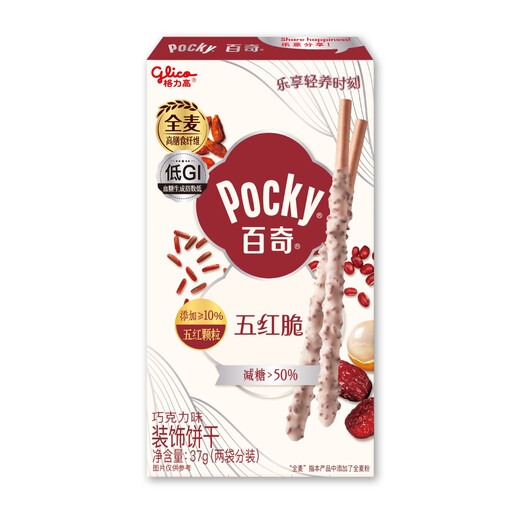 No image available
A chocolate-flavoured biscuit stick rather than a round biscuit for tea. If reducing sugar is your reason for choosing it, confirm the precise claim and the sugars per serving on the current pack; the biscuit-stick format alone tells you neither.
No. A reduced-sugar claim compares a product with another food or group of foods, so read the stated comparator. Under the conditions set out in the legislation published on legislation.gov.uk, a no-added-sugar claim concerns sugars or other foods added for sweetening; it does not itself give the finished biscuit’s total sugars. Read the nutrition declaration for the particular pack.
No. Tesco’s listings relay Nairn’s comparison with the average of more than 100 similar sweet biscuits and Weight Watchers’ comparison with standard chocolate biscuits. Because the baselines differ, the percentages do not rank the products against each other; compare their current nutrition panels on the same weight or clearly defined serving basis.
Check the ingredient list and the amount you intend to eat. Diablo’s Tesco marketplace listing identifies maltitol in its sugar-free chocolate drops, and the NHS says polyols can have a laxative effect when consumed in large amounts. Also read the current allergen and nutrition information.
Yes. A reduced-sugar comparison does not state the energy in the portion you plan to eat. Joybuy’s BelVita Choc Chip Reduced Sugar Biscuits listing gives 199 kcal and 7.2g sugars for its stated 45g serving; use the current pack’s serving information when assessing any particular biscuit.
No. Read the current pack for the exact variant before buying or eating it, including its ingredients, declared allergens and any cross-contact statements. A similar product name does not establish that the formulation or allergen information is identical.