Parents choosing an occasional holiday treat
If you want to serve a chocolate biscuit occasionally, the sugars per biscuit and the portion you offer are more useful than a reduction claim on its own.


For a school-holiday chocolate biscuit, compare sugars per biscuit or intended serving rather than relying on a front-of-pack reduction claim: Tesco lists Nairn’s Dark Chocolate Oat Biscuits at 1.9g sugars per biscuit, while Gullón describes its Dark Choc Digestive Zero as sugar-free and made with maltitol. Check the serving size and allergens before choosing; NHS guidance advises keeping the amount and frequency of sugary foods such as biscuits low.
If you want to serve a chocolate biscuit occasionally, the sugars per biscuit and the portion you offer are more useful than a reduction claim on its own.
A lower-sugar claim says nothing about allergen suitability. Check the current pack’s ingredients and any precautionary statements before serving a biscuit to a child with an allergy or intolerance.
Gullón describes its Dark Choc Digestive Zero as sugar-free and lists maltitol as a sweetener. Its ingredients include wheat and milk, so the sugar claim is only one part of the decision.
Start with the serving you would actually offer, then compare the sugar wording, ingredients and biscuit type.
| Priority | What to check | Your needs |
|---|---|---|
| Sugars per serving | Read sugars per biscuit or intended portion, alongside its weight. Tesco lists 1.9g sugars per Nairn’s Dark Chocolate Oat Biscuit and 5.0g per 18g Weight Watchers Chocolate Biscuit. | I want to know how much sugar is in the number of biscuits I plan to serve, not just in 100g of the pack. |
| Reduction claim | Check both the percentage and its comparator. Tesco gives Nairn’s claim as 35% less sugar than the average sweet biscuit; its Weight Watchers listing says at least 30% less than standard chocolate biscuits. | A reduction sounds useful to me, but I need the actual serving figure before comparing biscuits with different claim baselines. |
| Ingredients | Read the current ingredient list and allergen statements, including any ‘may contain’ wording. Gullón lists wheat and milk for Dark Choc Digestive Zero and warns of possible soya and nut traces. | If a child has an allergy or intolerance, the pack’s allergen information matters regardless of whether it says reduced sugar or sugar-free. |
| Biscuit type | Decide whether chocolate is essential. Tesco lists 1.3g sugars and 70kcal per McVitie’s Digestives The Light One biscuit, but it is a plain digestive, not a chocolate biscuit. | I could consider a plain biscuit if chocolate is optional; otherwise, I need to compare chocolate varieties directly. |
Tesco’s Nairn’s listing compares with the average sweet biscuit, while its Weight Watchers listing compares with standard chocolate biscuits. The percentages alone do not tell you which serving contains less sugar.
Compare the sugars and serving weights on the nutrition panels, keeping each claim’s stated comparator in mind.
NHS guidance identifies biscuits among foods that contribute free sugars and advises keeping the amount and frequency of sugary foods low.
Decide on the serving before opening the pack, and consider the biscuit within the wider pattern of holiday snacks.
Gullón’s Dark Choc Digestive Zero lists wheat and milk ingredients and possible soya and nut traces. Its sugar-free claim does not address those ingredients.
Read the label on the pack you receive, including the precautionary allergen statement.
Department for Education school-food guidance concerns food provided in state-funded schools in England. Department of Health and Social Care guidance on specified HFSS promotions and placement applies to businesses operating in and selling to England; neither sets a rule for a parent serving a biscuit at home.
For a home snack, make the choice using the portion, nutrition and ingredients. If food is being supplied through a school or organised provider, check the rules applicable to that setting.
Its Dark Chocolate Oat Biscuits offer a stated per-biscuit figure for comparing a chocolate-containing snack.
Dark Choc Digestive Zero is a sugar-free dark-chocolate digestive made with sweetener, according to Gullón.
Its Chocolate Biscuits have a defined 18g biscuit serving in Tesco’s listing.
Digestives The Light One is a plain-biscuit alternative if chocolate is optional.
These Joybuy options cover a dark-chocolate ginger oat biscuit and a cookies-and-cream biscuit for school-holiday snacks. They are different products from the Nairn’s, Weight Watchers and Gullón dark-chocolate digestive examples above.
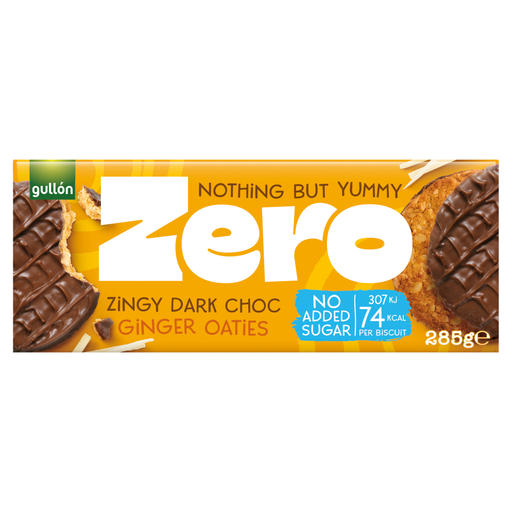 Image unavailable
For a school-holiday serving, check the pack’s sugars per biscuit or weigh the portion if nutrition is shown per 100g. Read the allergen statement and the warning about excessive consumption of maltitol.
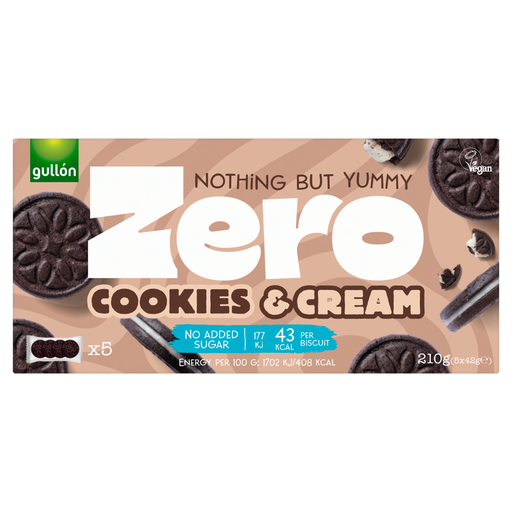 Image unavailable
If you are considering a cookies-and-cream biscuit for a holiday snack, compare the sugars in the portion you would serve rather than treating ‘no added sugar’ as a serving figure. Check the current pack’s allergen statement and its warning about excessive consumption of maltitol.
Compare sugars per biscuit or intended portion, then check its weight, calories and saturates. Tesco’s Nairn’s claim uses the average sweet biscuit as its comparator, whereas its Weight Watchers claim uses standard chocolate biscuits, so the reduction percentages are not directly interchangeable.
No. Gullón says its Dark Choc Digestive Zero is made with maltitol; its ingredient information also lists wheat and milk and says it may contain soya and nuts. Check the current pack against the child’s dietary needs.
Use the listing as a preliminary check, then read the pack you receive, including any ‘may contain’ statement. The Food Standards Agency explains that the presence of any of the 14 main allergens used as ingredients must be indicated on food products.
No. Department for Education school-food guidance addresses food and drink provided in state-funded schools in England, not a parent’s choices at home. Department of Health and Social Care guidance on specified HFSS promotions and placement concerns businesses operating in and selling to England, rather than banning a biscuit served at home.