Home revisers comparing sugar
Students and households choosing a chocolate biscuit for a revision break can use the nutrition panel to compare products without treating a front-of-pack sugar claim as the whole answer.


For a home revision break, compare total sugars per 100g before choosing between a no-added-sugar chocolate biscuit and a reduced-sugar oat biscuit. Tesco Groceries lists 0.4g sugars per 100g for OREO No Added Sugar, which contains polyol sweeteners and carries an excessive-consumption warning; its Nairn's Dark Chocolate Oat Biscuits listing gives 19.0g per 100g and compares its sugar content with the average sweet biscuit. A reduced-sugar claim alone does not establish whether a chocolate product meets the rules for food supplied by a state-funded school in England.
Students and households choosing a chocolate biscuit for a revision break can use the nutrition panel to compare products without treating a front-of-pack sugar claim as the whole answer.
A no-added-sugar biscuit may use sweeteners. Anyone considering that route should read the ingredients and any consumption warning alongside the sugars figure.
Staff and caterers choosing food to supply during the school day need to assess the product under the applicable School Food Standards, rather than relying on its reduced-sugar wording.
Start with the sugars figure on a common per-100g basis, then consider the portion you would serve and the ingredients that distinguish each biscuit.
| Priority | What to check | Your needs |
|---|---|---|
| Sugars and claims | Compare total sugars per 100g. Check what any reduction is measured against: the Nairn's claim uses the average sweet biscuit, not every chocolate biscuit. Tesco Groceries lists 19.0g sugars per 100g for that product and 0.4g for OREO No Added Sugar; McVitie's lists 28.5g for its Milk Chocolate Digestives. | I want a chocolate-containing biscuit, but I would rather compare the stated sugars figures than assume that 'reduced sugar' and 'no added sugar' mean the same thing. |
| Sweeteners | Read the ingredients and warnings as well as the nutrition table. Tesco Groceries lists maltitol and erythritol in OREO No Added Sugar and warns that excessive consumption may produce laxative effects. | If I am considering a no-added-sugar sandwich biscuit, I need to know which sweeteners it contains before deciding whether that formulation suits my snack choice. |
| Portions | Check whether values refer to a biscuit, a serving or 100g. Tesco Groceries gives 0.1g sugars per 22g serving for OREO No Added Sugar and 1.9g per biscuit for Nairn's Dark Chocolate Oat Biscuits; McVitie's gives 4.8g per Milk Chocolate Digestive. | For a short revision break, I want to decide how many biscuits to put on a plate rather than compare unlike serving sizes. |
| Ingredients | Check the current pack for ingredients and allergen declarations, particularly when sharing snacks. McVitie's lists wheat, milk and soya ingredients for its Milk Chocolate Digestives; other recipes need their own label check. | When several people will share the biscuits, I need a product whose current ingredients suit everyone eating them. |
| School use | For food supplied by a state-funded school in England, check the School Food Standards separately from a sugar claim. The Department for Education's school-food guide lists confectionery, chocolate and chocolate-coated products among items restricted across the school day. | A biscuit for revision at home is a different decision from food supplied at school; for the latter, I need the school or caterer to assess the proposed product. |
The claims describe different things. Nairn's compares its Dark Chocolate Oat Biscuits with the average sweet biscuit, while Tesco Groceries lists sweeteners in OREO No Added Sugar.
Compare total sugars per 100g, then read the claim comparator and ingredients before choosing between the two formulations.
Tesco Groceries lists maltitol and erythritol in OREO No Added Sugar and states that excessive consumption may produce laxative effects.
Read the stated serving size and warning before deciding how much to serve. If you prefer to avoid those sweeteners, compare the ingredients of a different biscuit.
McVitie's lists 28.5g sugars per 100g for its Milk Chocolate Digestives. That makes them a conventional chocolate-biscuit reference, not a reduced-sugar choice.
If reducing declared sugars matters to you, compare the nutrition panels rather than choosing by biscuit style or brand familiarity.
The Department of Health and Social Care's HFSS guidance concerns specified retail and online promotions and placement. The Department for Education's school-food guide addresses food supplied across the school day in England.
For a home snack, assess the product label. For food supplied by a state-funded school in England, ask the school or caterer to assess the proposed item against the School Food Standards.
Sugar claims and recipes belong to particular products, not every biscuit bearing the same brand name.
Its plain The Light One digestive and Milk Chocolate Digestives answer different shopping needs.
Dark Chocolate Oat Biscuits provide an oat-biscuit route for shoppers who want chocolate in a product with a stated sugar-reduction comparison.
The No Added Sugar Vanilla Cookie Sandwich Biscuits offer a chocolate-flavour sandwich-biscuit format with sweeteners.
Chocolatey Milk Chocolate Cookies are a conventional chocolate-biscuit comparison point, rather than a reduced-sugar option.
These Joybuy options include chocolate-flavoured biscuits and oat-biscuit formats to consider for a home revision break. Check each product's current label for its sugars figure, sweeteners, ingredients and serving size; a similar-looking variant need not have the same recipe as the products discussed above.
 No image available
A chocolate-flavour sandwich-cookie format to consider when comparing sugar claims for a home revision snack. This 97g variant is distinct from the OREO No Added Sugar product described above; check its own ingredients, nutrition panel and serving information rather than borrowing that product's figures or warnings.
 No image available
An oat-biscuit option with dark chocolate and ginger for a revision break. The 285g pack and ginger flavour distinguish it from a plain chocolate biscuit; check the current nutrition panel for sugars per 100g and the ingredients for sweeteners before choosing a portion.
 No image available
A cookies-and-cream biscuit to compare if a no-added-sugar formulation is among your options. The title identifies a 210g pack; use this variant's own total-sugars figure, ingredients and serving information to judge it, rather than treating 'no added sugar' as sweetener-free.
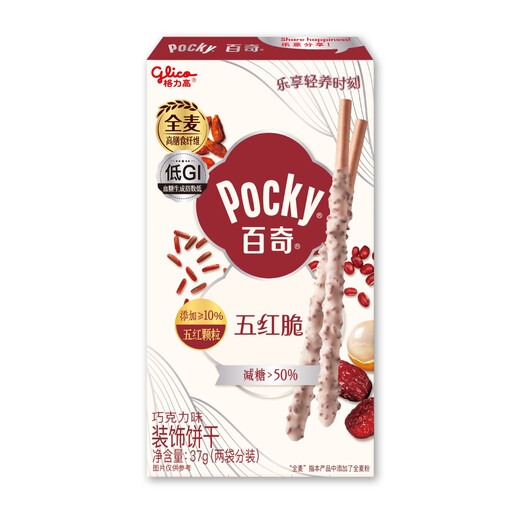 No image available
This 37g chocolate-flavoured biscuit is a different format from a sandwich cookie or oat biscuit. If you want to compare it as a revision snack, check its own sugars per 100g, ingredients and portion information rather than assuming it shares another product's sugar claim.
 No image available
A 160g chunky-oat and coconut biscuit-break variant to assess if you prefer that format for a revision break. It is not the Nairn's Dark Chocolate Oat Biscuits product whose nutrition figures appear above: check this pack's ingredients to establish its chocolate content, then compare its own sugars and serving information.
No. Tesco Groceries lists 0.4g total sugars per 100g for OREO No Added Sugar Vanilla Cookie Sandwich Biscuits and identifies maltitol and erythritol in its ingredients. That product also carries an excessive-consumption laxative-effects warning, so read the nutrition table and ingredients rather than relying on the claim alone.
A reduced-sugar claim does not establish school-food compliance. The Department for Education's school-food guide for state-funded schools in England lists confectionery, chocolate and chocolate-coated products among items restricted across the school day. The school or caterer should assess the proposed food under those standards; this is separate from choosing a snack to eat at home.
No. Department of Health and Social Care guidance addresses restrictions on specified retail and online promotions and placement of products high in fat, sugar or salt. For food supplied by a state-funded school in England, the relevant check is against the School Food Standards, not the product's sugar claim or retail-promotion treatment alone.
Read the current label of each product for its ingredients and allergen declarations. McVitie's lists wheat, milk and soya ingredients for its Milk Chocolate Digestives, but a different biscuit or variant needs its own check. The Food Standards Agency's consumer guidance explains that UK food businesses must provide information when regulated allergens are used as ingredients.