Travellers comparing sugar
If you want to take digestives on the train, compare sugars per 100g across packs, then use the biscuit weight or serving information to plan how many to bring.


If you want less sugar in the digestives you pack for a train journey, compare the ‘of which sugars’ figure per 100g before choosing a portion. McVitie's The Light One is labelled reduced sugar; the checked Gullón Zero and Siro sugar-free digestives list less sugar but contain sweeteners and carry excessive-consumption warnings. Check carbohydrate, energy, ingredients and the number of biscuits you expect to eat alongside the sugar figure.
If you want to take digestives on the train, compare sugars per 100g across packs, then use the biscuit weight or serving information to plan how many to bring.
If you are considering sugar-free biscuits for repeated snacking, read the sweetener ingredients and any excessive-consumption warning before packing several portions.
A sugar claim does not tell you the total carbohydrate or the full ingredient list. Compare the current packs, particularly if you need to avoid an ingredient or check a precautionary allergen statement.
Start with sugars per 100g to compare recipes, then check the portion you will take and any ingredients or warnings that matter to you.
Consider when: You want a digestive labelled reduced sugar without choosing the checked sugar-free recipes containing sweeteners. Tesco lists McVitie's The Light One at 8.9g sugars per 100g.
Bear in mind: It still contains sugar; the manufacturer's ‘30% less sugar’ statement compares it with an average digestive biscuit, not with every alternative.
Consider when: Minimising listed sugars matters more to you than avoiding sweeteners. Asda lists Gullón Zero at less than 0.5g sugars per 100g, while Sainsbury's lists Siro at 0.5g.
Bear in mind: Both checked products still list carbohydrate and energy, and both carry an excessive-consumption laxative warning.
Consider when: You prefer a particular standard recipe or pack and are content to plan the number of biscuits you take.
Bear in mind: The checked Tesco, Sainsbury's, Asda and M&S standard digestives list 15.3g–18.2g sugars per 100g; none of those figures makes them reduced-sugar products.
| Priority | What to check | Your needs |
|---|---|---|
| Sugar and portion | Compare ‘of which sugars’ per 100g first. Then check sugar per biscuit, biscuit weight and how many you intend to pack; NHS food-label guidance notes that a stated portion may differ from yours. | I want to compare recipes fairly, then work out the sugar in the biscuits I will actually take—not assume a smaller biscuit has a lower-sugar recipe. |
| Type of claim | Read whether the pack says reduced sugar, sugar-free or reduced fat. Tesco lists McVitie's The Light One 250g at 8.9g sugars per 100g, but the distinct reduced-fat McVitie's Light Digestive 400g at 20.2g. | A ‘light’ name alone is not enough for my choice; I want the full product name and the sugar figure on the pack I am buying. |
| Other nutrition and sweeteners | Read total carbohydrate and energy separately from sugars. Asda lists Gullón Zero at 68g carbohydrate and 430kcal per 100g; check sweeteners and excessive-consumption warnings on sugar-free packs. | If I expect to snack throughout the journey, the ingredients and warning matter as well as the sugar figure. |
| Packing and ingredients | Check storage directions and whether an opened pack needs an airtight container. Read the current ingredient and allergen statement, especially if sharing biscuits. | I want a portion I can carry and keep as directed, without relying on onboard catering or an old product-page ingredient list. |
Tesco lists McVitie's Light Digestive 400g as reduced fat, with 20.2g sugars per 100g. Its separate The Light One 250g reduced-sugar product lists 8.9g.
Match the complete product name and pack size, then compare ‘of which sugars’ per 100g.
The checked Gullón Zero and Siro digestives still list carbohydrate and energy. Both retailer listings also warn that excessive consumption may have a laxative effect.
Read the nutrition table, sweeteners and warning before deciding how many portions to take.
A per-biscuit sugar figure reflects the size of that biscuit as well as its recipe. Different serving descriptions do not provide a like-for-like recipe comparison.
Compare per 100g first, then use the pack's portion figures for the amount you plan to eat.
A Crawford's manufacturer specification generated in 2014 described a three-biscuit mini-pack; it does not establish its current recipe or availability.
If individual packs appeal for the journey, check a current listing and the physical pack before relying on that format or its nutrition details.
These examples identify particular checked products and claims, rather than describing every biscuit made by each brand.
The Light One is a reduced-sugar digestive; the separately listed Light Digestive is reduced fat.
The checked Digestive Original 400g is a sugar-free option containing sweeteners.
The checked Sugar Free Digestive Biscuits 300g provide another sweetener-containing option.
The checked own-label Digestive Biscuits 400g provide a standard-biscuit comparison.
Its checked own-label Digestives 400g are distinct from the McVitie's reduced-sugar product listed by the retailer.
Its checked own-label Digestive Biscuits 400g are separate from the Gullón Zero product listed by the retailer.
The checked Digestive Biscuits 400g are a standard demerara-sugar recipe.
A manufacturer specification generated in December 2014 described a three-biscuit digestive mini-pack.
These options include a sugar-free digestive and other digestive varieties to compare for a train journey. Check each pack's nutrition and ingredients against your priorities; the selection does not make the standard or flavoured varieties reduced-sugar products.
 No image available
Consider this sugar-free digestive if listed sugars are your main comparison. Asda lists less than 0.5g sugars, 68g carbohydrate and 430kcal per 100g for Gullón Zero Digestive Original 400g; its listing also identifies sweeteners and warns that excessive consumption may have a laxative effect.
 No image available
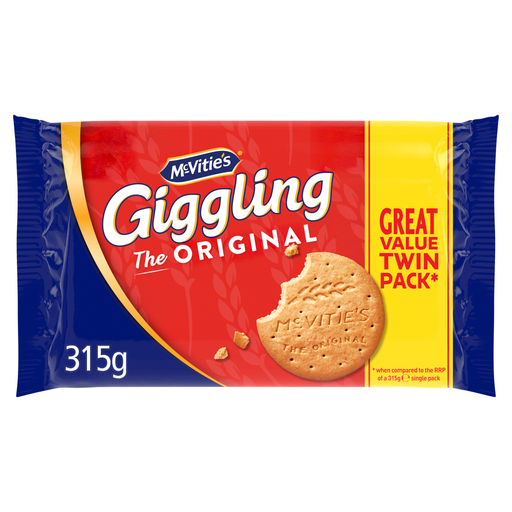
This Original twin pack is an option if you want standard digestives and plan how many to take. Check its own sugars-per-100g and per-biscuit figures rather than using the figures for McVitie's separate reduced-sugar product.
 No image available
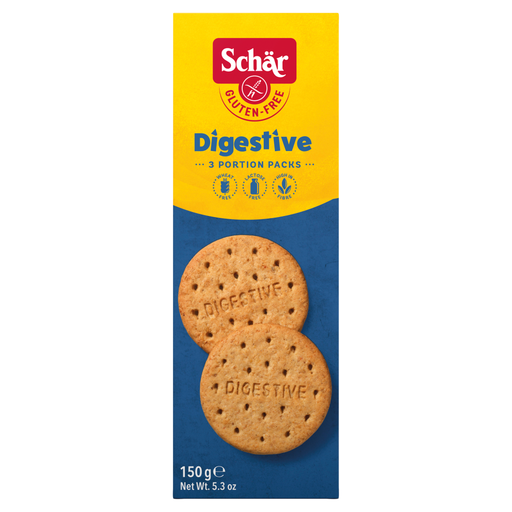
This 150g pack is labelled gluten free, which is a different consideration from reducing sugar. Compare its sugar figure with other digestives and read the current pack's full ingredient and allergen information.
 No image available
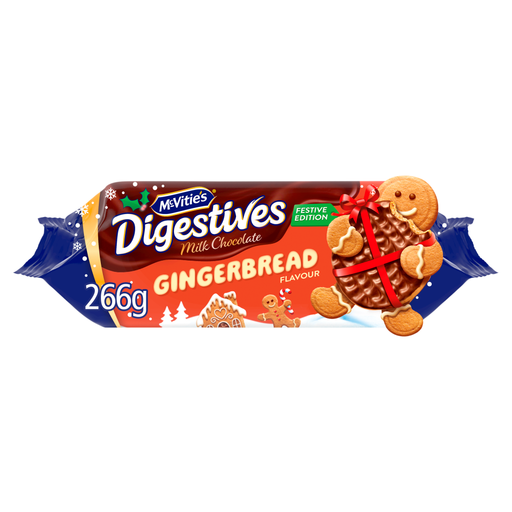
Choose between this gingerbread-chocolate variety and a plain digestive by comparing the current packs' sugars per 100g, then the amount you intend to take. Its flavour name is not a reduced-sugar claim.
 No image available
This dark-chocolate twin pack is a distinct choice from plain or reduced-sugar digestives. Compare sugars per 100g on its own pack and check the serving size before deciding how much to bring.
No. NHS food-label guidance defines low sugar for food as 5g of total sugars or less per 100g. Tesco lists McVitie's The Light One at 8.9g per 100g, so compare its stated sugar figure rather than treating ‘reduced sugar’ as ‘low sugar’.
No. Asda lists Gullón Zero Digestive Original at 68g carbohydrate per 100g despite listing less than 0.5g sugars. University Hospitals Sussex NHS Foundation Trust uses carbohydrate and portion size in its snack guidance and advises people taking insulin to discuss snacks with their dietitian or diabetes specialist nurse.
Yes. National Rail says passengers can bring their own food on the train, so you need not rely on onboard catering for this journey.
Follow the directions on the pack you buy. For example, Sainsbury's own-label Digestives listing says to keep them in a cool, dry place and use an airtight container once opened.
Read the current physical pack's ingredients, allergen statement and any ‘may contain’ wording before eating or sharing. UK food-labelling guidance requires ingredient information, including allergens, on pre-packed food labels; the checked digestive products do not all have the same ingredients or precautionary statements.