For an older person who is eating normally and wants to reduce added sugar, start with a plain instant-oat sachet or pot with an oats-only ingredient list or no added sugar, then compare nutrition panels on the same basis. Reduced sugar is not automatically the priority where there is poor appetite, unintentional weight loss or malnutrition risk: energy, protein and an individual nutrition plan may matter more.
Who this may suit
Older adults eating normally who want less added sugar
Suitable for people who can eat a normal breakfast and want a quick porridge option with control over added sugar, fibre and toppings. Plain wholegrain oats are a practical starting point because preparation can be adjusted to suit the meal; the NHS includes porridge oats among fibre sources.
Family carers comparing sachets and pots
Useful for carers who need to distinguish sugars in dry oats from sugars in a finished bowl, while also considering ingredients, preparation method and safe handling of hot food.
Carers supporting someone with poor appetite or weight loss
A reduced-sugar choice should not become the only priority when intake is low or weight is falling unintentionally. BAPEN and NHS-linked Food First guidance indicate that an individual plan may need to focus on energy, protein and overall intake.
Buying priorities
Plain or no-added-sugar sachets
Choose when: The person is eating adequately, wants a quick breakfast with minimal added sugar and can tailor the bowl with a suitable liquid or toppings.
Consider: Milk and toppings change the nutrition of the finished bowl, so dry-oat and prepared values should not be treated as the same measure.
Sweetened sachets or ready pots
Choose when: Flavour, acceptance or self-feeding convenience is the overriding practical consideration.
Consider: Sweetened formats can contain sugar even where the product name emphasises oats or an Original flavour.
Poor appetite or malnutrition-risk plan
Choose when: There is unintentional weight loss, a small appetite, known malnutrition risk or complex dietary management.
Consider: A low-sugar oat product may still fit, but it does not replace advice from a GP, dietitian or relevant care team.
| Priority |
What to check |
Your needs |
| Added-sugar control |
Read the ingredient list for sugar; compare sugars per dry serving or per 100g; check whether the stated serving includes milk or water. |
I want to know whether sweetness comes from the oats, the preparation liquid or optional toppings. |
| Fibre and wholegrain oats |
Check for wholegrain oats in the ingredients; compare fibre per serving on a like-for-like basis; use the actual sachet or pot size. |
I want an easy breakfast that includes wholegrain oats and contributes fibre, without assuming every flavour or portion is the same. |
| Energy and protein intake |
Where appetite or weight maintenance is a concern, check prepared energy and protein values; follow any individual advice on milk or toppings; seek professional support for malnutrition risk. |
If food intake is low, maintaining adequate energy, protein and overall nutrition can matter more than choosing the lowest-sugar porridge. |
| Preparation and safety |
Check whether a microwave, boiling water or measured liquid is required; consider hot bowl and container handling; check the current allergen statement on pack. |
I need a format that the older person or carer can prepare safely and comfortably. |
Common buying pitfalls
-
Comparing dry oats with a milk-prepared bowl
The preparation liquid can change the displayed sugars, energy and protein. Quaker UK lists 0.3g sugars for a dry Original sachet, while a serving prepared with semi-skimmed milk is listed at 8.4g sugars.
Compare products per 100g dry weight or per dry sachet first, then decide separately whether milk, water or another suitable liquid fits the person’s needs.
-
Assuming an Original pot is no added sugar
Product naming alone does not show the full recipe. Tesco’s cited Instant Oats Original pot lists sugar as an ingredient and provides 9.0g sugars per prepared pot, while Quaker Golden Syrup lists sugar and 6.4g sugars per dry sachet.
Read the ingredient list and nutrition panel for the exact flavour and format rather than relying on the range name.
-
Restricting sugar without checking appetite or weight loss
For someone at risk of malnutrition, insufficient energy, protein and overall intake can be more urgent than choosing the lowest-sugar porridge. BAPEN and NHS-linked Food First guidance support individual nutrition planning in this situation.
If the person is losing weight unintentionally, eating very little or has known malnutrition risk, seek advice from a GP, dietitian or care team before making reduced sugar the main rule.
Clinical nutrition support may be needed when food intake is inadequate.
-
Overlooking hot-food and allergen handling
Boiling-water pots and hot bowls can be difficult to handle safely, while ordinary oat products should not be assumed suitable for medically prescribed gluten-free diets.
Match the format to the person’s ability to handle hot water and bowls, supervise where appropriate, and check the current allergen statement on every pack.
Relevant brand references
Quaker / Oat So Simple
A UK range of microwaveable oat sachets that includes plain Original and sweetened Golden Syrup variants. Quaker UK lists Original as a 27g wholegrain-oat sachet prepared with 180ml milk in two minutes.
- Quaker UK lists wholegrain rolled oats as the only ingredient in Original, with 0.3g sugars per dry sachet.
- Golden Syrup is a different recipe: it lists sugar and provides 6.4g sugars per dry sachet, so check the exact flavour.
White's Quick & Oaty
The cited Simply Original product is a quick-oat sachet line made with 100% wholegrain porridge oats and prepared with milk or water in about two and a half minutes.
- Tesco’s cited product listing gives 0.3g sugars and 3.1g fibre per 30g dry serving, with no added sugar.
- Golden Syrup is a separate sweetened variant, and retailer availability should be confirmed before purchase.
Flahavan's
An oats specialist with Natural quick-oat sachets and organic natural oat sachets made from wholegrain rolled oats, prepared with water or milk according to the manufacturer.
- Flahavan’s describes its Natural sachet as 100% wholegrain rolled oats and sugar free.
- Confirm the UK pack label and retailer availability, as product details can vary by market and format.
Tesco
A UK supermarket own-brand option represented here by an Instant Oats Original pot prepared with boiling water, without microwave cooking.
- The cited prepared pot provides 7.7g protein per pot.
- Its ingredient list includes sugar and it provides 9.0g sugars per prepared pot, so it does not fit a strict no-added-sugar route.
Joybuy product options
Joybuy product options for plain instant-oat breakfasts where reducing added sugar is a priority. Check the current pack label, preparation method and allergen information before choosing for an individual.
 No image available
Quaker Oat So Simple Big Bowl Original 6 Pack 231g
An instant oat option for a quick breakfast where a plain format is preferred. Compare dry and prepared nutrition separately when adding milk, and check whether microwave use and handling a hot bowl are manageable.
Joybuy
 No image available
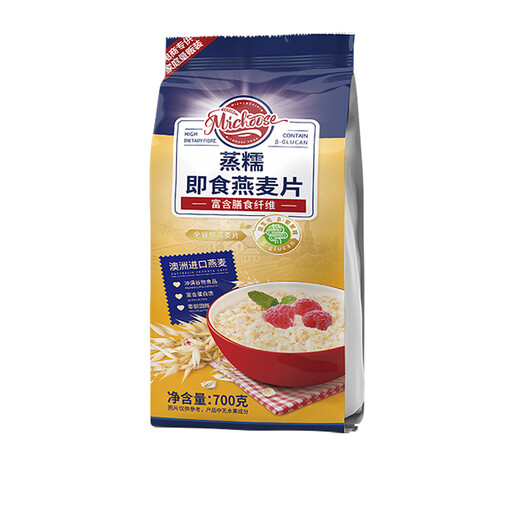
Steamed Instant Oatmeal 700g
An instant oatmeal option for a quick breakfast. Check the current nutrition panel for sugars per serving, and consider safe hot-water handling, serving size and allergen information before buying.
Joybuy
Frequently asked questions
Is reduced sugar automatically the best choice for every older person?
No. It can suit an older person who is eating normally and wants to reduce added sugar, but it may not be the main priority for someone with poor appetite, unintentional weight loss or malnutrition risk. BAPEN and NHS-linked Food First guidance indicate that adequate energy, protein and overall intake may require an individual plan.
Why can a no-added-sugar oat sachet still show sugars on the label?
Check whether the figure refers to dry oats or the finished bowl. Quaker UK lists 0.3g sugars per dry 27g Original sachet, while its serving made with 180ml semi-skimmed milk is listed at 8.4g sugars because the prepared calculation includes the milk.
How should plain and flavoured instant oats be compared?
Compare ingredient lists and dry servings first, then check the preparation basis. Tesco’s cited listing for White’s Simply Original gives 0.3g sugars per 30g dry serving with an oats-only ingredient list, while Quaker Golden Syrup lists sugar and gives 6.4g sugars per dry 36g sachet.
Are instant oats useful for fibre?
They can contribute fibre, particularly when made with wholegrain oats. The NHS identifies porridge oats as a fibre source and advises eating a varied range of fibre-containing foods as part of a balanced diet; check each product panel because fibre varies by serving and flavour.


