Who these options suit

Parents making warm lunches at home

Plain 100% oat products suit households that want to prepare porridge with water or milk and choose fruit or other toppings separately. NHS guidance distinguishes added sugars from sugars naturally present in milk, fruit and vegetables.

Families needing a fast microwave lunch

Original no-added-sugar sachets can suit a warm, portioned lunch when a microwave is available and measuring needs to be kept simple. Compare the format with loose oats if it will be used repeatedly.

Shoppers needing a hot-water option

A dry, shelf-stable porridge pot can suit occasions with boiling water but no microwave. Check ingredients and precautionary allergen statements carefully where dietary restrictions apply.

What to check before buying

Plain rolled oats

Choose this when: Lunch is made at home and you want to decide on toppings yourself.

Trade-off: You need to measure and cook the oats, and milk or fruit changes the total-sugars figure of the prepared bowl.

Quick-cook oats or sachets

Choose this when: A warm lunch is needed quickly and microwave access is reliable.

Trade-off: Check the exact flavour and ingredients, especially where a plain, no-added-sugar option is the aim.

Hot-water porridge pot

Choose this when: Individual portability and access to boiling water are more useful than home cooking.

Trade-off: A pot may contain ingredients beyond oats and may not work with a microwave.

Priority What to check Your needs
Added sugar and toppings Read the ingredients list as well as sugars per 100g. Check whether the product is plain oats or a flavoured format, then consider what will be added at home. I want a plain base so I can choose whether to add milk, fruit or other toppings.
Preparation method Check whether the product needs a hob, microwave or boiling water. Confirm the stated preparation time for the exact pack. A quick warm lunch matters, but only if it works with the equipment available that day.
Format for repeated lunches Compare loose oats, sachets and pots by their intended use. Consider whether portioning or portability genuinely solves a preparation problem. For several school-holiday lunches, I want a format that fits the household routine rather than creating unnecessary convenience costs.
Allergens and gluten Read the current pack for ingredients, may-contain statements and any specific gluten-free claim. Do not assume all oat products meet the same dietary requirements. If a child has an allergy, coeliac disease or an intolerance, I need the exact product label to match their requirements.

Common buying mistakes

  • Treating total sugars as the same thing as added sugar

    A prepared bowl can show more total sugars after milk or fruit is added, even where the dry oats have no added sugar. NHS guidance explains that naturally occurring sugars in milk, fruit and vegetables are included in total sugars but are not free sugars.

    Check the ingredients list and the nutrition information for the product as sold. If avoiding added sugars is the aim, start with plain oats and decide on sweet toppings separately.

  • Choosing sachets or pots for every home lunch

    Convenience formats are most useful when their preparation method solves a genuine time or access problem. At home, loose oats may meet the same lunch need where cooking equipment and a bowl are already available.

    Keep sachets for microwave days and pots for occasions with boiling water. For regular home lunches, compare the format against loose plain oats.

  • Assuming plain oats suit every dietary requirement

    Products can differ in their wheat, barley, milk and nut statements, even when oats are the main ingredient. Food Standards Agency guidance also notes that oats remain an allergen in their own right.

    For a diagnosed allergy, coeliac disease or intolerance, verify the current pack label and select a specifically suitable product rather than relying on the oat format alone.

  • Buying a porridge pot without checking how it is prepared

    A hot-water pot is not automatically a microwave lunch. The examined Waitrose Original Porridge Pot requires boiling water and is not suitable for microwave cooking.

    Match the pack to the available equipment: use loose oats for home cooking, sachets where a microwave is available and pots where boiling water is dependable.

Relevant brand references

Quaker

Plain rolled oats and original microwaveable sachets for shoppers choosing a no-added-sugar base with either measured home preparation or quicker microwave preparation.

  • Waitrose product information lists Quaker Rolled Porridge Oats as 100% wholegrain rolled oats, with 1.1g sugars per 100g.
  • The original sachet format is stated to be ready in 2 minutes, but toppings and the preparation liquid still affect the finished meal.

Mornflake

Quick-cook 100% oat products for households that want a smooth, fast-cooking porridge while keeping the ingredient list simple.

  • Mornflake states that Superfast Oats use smaller flakes for faster liquid absorption and lists wholegrain oats as the sole ingredient.
  • Mornflake says this product is not suitable for wheat or barley allergy sufferers because of its manufacturing methods.

Flahavan's

Organic plain rolled oats for shoppers specifically seeking an organic, 100% wholegrain oat base.

  • Flahavan's describes its Organic Oats as 100% organic wholegrain rolled porridge oats.
  • If a gluten-free product is required, check for a specific current gluten-free claim rather than assuming it from the oat format.

Jordans

Organic wholegrain rolled oats for shoppers who prefer a plain organic product and can assess nut-related allergen advice carefully.

  • Jordans lists organically produced wholegrain rolled oats for its Organic Porridge.
  • The brand says the product is made where a variety of nuts are handled and advises people with a nut allergy not to eat it.

Waitrose

Own-label loose Scottish oats and original hot-water pots, providing a useful contrast between a bulk format and an individual portable format.

  • Waitrose Scottish Porridge Oats list wholegrain oat flakes and 0.9g sugars per 100g.
  • The Original Porridge Pot contains skimmed milk powder, may contain nuts and needs boiling water rather than microwave preparation.

Joybuy porridge oat options

Joybuy product options for warm school-holiday lunches, including plain oats for home preparation and an original sachet format for microwave use.

Scotts Porage Oats Old Fashioned Porridge Oats 1kg

Scotts Porage Oats Old Fashioned Porridge Oats 1kg

A plain rolled-oat base for home-made lunches where toppings can be chosen separately.

The listing states 100% rolled oats and 1.1g sugars per 100g as sold, with 4–5 minute stovetop or 2–3 minute microwave preparation.

May contain wheat and barley; verify the current pack label where coeliac disease or wheat and barley allergy is relevant.

Joybuy

Quaker Oat So Simple Big Bowl Original 6 Pack 231g

Quaker Oat So Simple Big Bowl Original 6 Pack 231g

An individually portioned option for a fast warm lunch where microwave access is available.

The listing states wholegrain rolled oats only, 1.0g sugars per 100g as sold and a 2½-minute microwave preparation time.

Verify the current pack label if gluten avoidance is required.

Joybuy
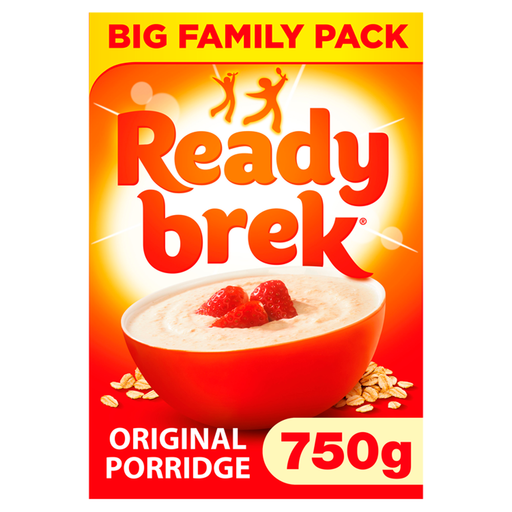
Ready Brek Original 750g

Ready Brek Original 750g

A smooth hot oat cereal option for a home lunch where added sweetness can be controlled with toppings.

The listing states wholegrain oatmeal and oat flour, no added salt or sugar, and 1.0g sugars per 100g as sold.

May contain barley, milk and wheat; verify the current pack label where these allergens matter.

Joybuy

Flahavan's Organic Porridge Oats 2kg, 2 x 1kg

Flahavan's Organic Porridge Oats 2kg (2 x 1kg)

A larger plain-oat supply for repeated school-holiday lunches prepared at home.

The listing states 100% organic wholegrain oat flakes and 0.9g sugars per 100g as sold.

Seek a specifically labelled product if a gluten-free option is required.

Joybuy
Scotts Porage Oats Original Porridge Oats 1kg

Scotts Porage Oats Original Porridge Oats 1kg

A plain home-preparation option for warm lunches with separately chosen toppings.

The listing states 100% oatmeal, no additional ingredients, 1.0g sugars per 100g as sold and 25 portions.

May contain wheat and barley; verify the current pack label where coeliac disease or wheat and barley allergy is relevant.

Joybuy

Frequently asked questions

Does no added sugar mean that porridge has zero sugars?

No. A no-added-sugar claim concerns ingredients added by the manufacturer, while total sugars can include sugars naturally present in oats and, after preparation, milk or fruit. NHS guidance states that naturally occurring sugars in milk, fruit and vegetables are included in total sugars but are not free sugars, so check both ingredients and nutrition information for the product as sold.

Which format is most practical for a school-holiday lunch?

Loose plain oats suit home lunches where cooking and topping control are available. Choose an original microwave sachet where a microwave is available; the examined Quaker sachet states 2-minute preparation. A hot-water pot is for occasions with boiling water, and the examined Waitrose pot requires 170ml of boiling water rather than microwave cooking.

Can ordinary porridge oats be treated as gluten-free?

No. Choose a product specifically labelled gluten-free if that is required. Food Standards Agency material states that food labelled gluten-free must contain no more than 20mg/kg gluten, while oats remain an allergen in their own right; also read the exact product’s wheat, barley and nut statements.

Are pots or sachets always the better choice because they are portioned?

No. Portioning can save time, but it may also bring different ingredients, allergen considerations and a preparation method that does not fit the day. Use sachets when microwave access is the useful feature, and choose a hot-water pot only when boiling water is reliably available.