Hosts comparing sugar and portions
If you want to change what goes on the christening table, compare packaged biscuits by sugars per 100 g, then decide how much to serve. A smaller biscuit changes the portion, not the recipe.


For a christening, compare sugars per 100 g if you want to choose a different biscuit, serve smaller pieces if portion size is the priority, or use a lower-sugar recipe if you can make a batch yourself. Mini biscuits are not necessarily reduced-sugar, and a no-added-sugar claim does not establish that a biscuit is lower in calories or suitable for guests with allergies; check the current pack and keep ingredient information available.
If you want to change what goes on the christening table, compare packaged biscuits by sugars per 100 g, then decide how much to serve. A smaller biscuit changes the portion, not the recipe.
Keep portions and ingredient information clear at a shared table. The shortbread products discussed here have differing ingredient and precautionary warnings, so check the exact pack rather than relying on the biscuit’s name or sugar claim.
Choose whether you are changing the biscuit, the serving size or the recipe; those decisions answer different questions about a party portion.
| Priority | What to check | Your needs |
|---|---|---|
| Sugar in the biscuit | Compare sugars in g per 100 g on current packs. Read the ingredients and the precise claim: no added sugar does not itself provide a comparison with another biscuit. | I want to choose a different biscuit on the basis of its sugar declaration, rather than assume that a small pack or a particular claim settles the question. |
| Serving size | Check the size or stated serving and decide how many pieces to offer. Walker’s Shortbread lists 24 mini fingers in its 125 g bag, but also lists sugar in the ingredients and 16.2 g sugars per 100 g. | Smaller pieces would make it easier for me to plan what goes on each plate, without calling conventional shortbread reduced-sugar. |
| Guest information | Check the exact pack for ingredients, highlighted allergens and precautionary warnings. Keep the packaging or an accurate ingredient record available after transferring biscuits to plates. | Guests need to be able to identify what is in the biscuits, particularly when children or people with allergies are sharing the table. |
| Alternative recipes | Check the sweetener, flour, fat and any egg in a proposed recipe or ready-made alternative. Compare energy and saturated fat as well as sugars when those declarations matter to your choice. | I can make a batch if I can account for its ingredients and preparation; I would not assume it has the same recipe as all-butter shortbread. |
| Preparation | Confirm a ready-made product’s current pack details before planning around it. For home baking, check the recipe’s yield and storage instructions: Silver Spoon’s lower-sugar shortbread-style recipe makes 20 biscuits and specifies an airtight container for 3–4 days. | I need enough time to prepare and identify the biscuits I actually serve, rather than rely on an old listing or apply one recipe’s storage period to another. |
A smaller piece can reduce the amount served, but it does not change the biscuit’s sugars per 100 g. Walker’s Shortbread lists sugar among the ingredients of its mini fingers.
Plan portions using the actual pieces you will serve; use comparable per-100-g declarations when comparing the biscuits themselves.
Boots’ displayed ingredients for its no-added-sugar shortbread include wheat, milk and maltitol, with possible nut traces. The sugar claim does not replace an allergen check or an energy comparison.
Read the current ingredients, warnings and nutrition declaration for the exact product before putting it on the table.
Boots’ shortbread page displays product information dated February 2017 and a temporary online unavailability notice. It is not a sound basis for the ingredients or nutrition of a pack you might obtain now.
Confirm the details on a current pack before committing it to the party menu, or plan a recipe whose ingredients you can record yourself.
These named products illustrate different checks; their figures and warnings apply to the specified product, not every biscuit from the brand.
Its mini fingers offer a way to plan individual pieces of conventional shortbread.
Its Traditional Shortbread Fingers provide another conventional recipe to compare.
Its Scottish All Butter Shortbread Fingers are a named all-butter product for a pack-by-pack comparison.
Its listed No Added Sugar Shortbread Fingers illustrate why a sugar claim needs separate ingredient and nutrition checks.
Its biscuit listing includes Highland All Butter Shortbread Finger Biscuits 200 g.
These options are a no-added-sugar cookie and mini biscuits, not shortbread. They may help you consider a different biscuit or a smaller piece, but neither name establishes a reduced-sugar shortbread choice.
 No image available
A ready-made no-added-sugar cookie to consider if you are willing to serve something other than shortbread. Check the current pack’s sugars, other nutrition information, ingredients and warnings before offering it to guests.
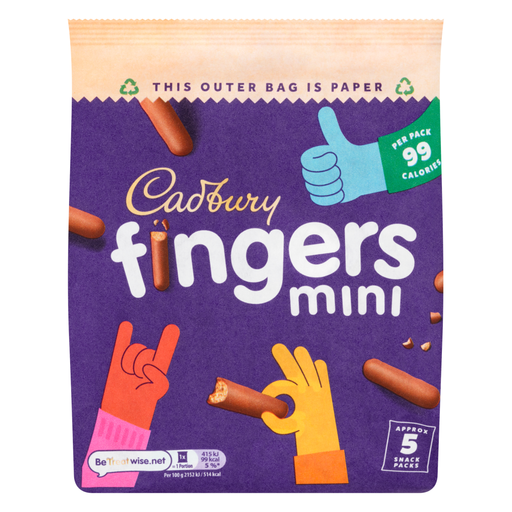 No image available
The mini format is relevant if you want to plan the number of pieces served. These are biscuits rather than shortbread, and their size does not establish a reduced-sugar formulation; check the current nutrition and allergen information.
No. A no-added-sugar claim does not, by itself, establish a reduction against a comparable shortbread. Boots’ displayed ingredients for its named no-added-sugar fingers include maltitol; compare current nutrition declarations if you want to judge the biscuits’ sugars per 100 g.
Check the current packaging for the exact biscuit and keep its ingredient information available at the table. Walker’s lists wheat and milk in its mini fingers and says they may contain nuts; M&S warns that its named Scottish All Butter Shortbread Fingers are unsuitable for people with nut or peanut allergies. A sugar claim does not override either warning.
Not necessarily. Compare the current energy declaration as well as sugars and other nutrition information for the products you are considering; the NHS notes that using sweeteners does not necessarily make a food healthy.
Follow the storage instructions for the recipe you make. Silver Spoon says to cool the biscuits in its lower-sugar shortbread-style recipe completely and keep them in an airtight container for 3–4 days; that period does not establish a storage time for other recipes.
The Department for Education describes school food standards as applying to food and drink provided to pupils on school premises, not to the stated private-party setting. Separate rules concerning advertising of less-healthy food address specified advertising; they do not establish a classification for any particular biscuit here.