Choose by the carbohydrate in the portion you intend to eat, not by a sugar-free or free-from description alone. A sugar-free shortbread-style biscuit can still contain substantial carbohydrate; for an occasional treat, a smaller conventional portion may suit an individual eating plan, while someone seeking a routinely lower-carbohydrate snack may prefer a different food. Diabetes UK advises considering the amount eaten as well as what the label says.
Who is this choice for?
People counting carbohydrate
The useful figure is the carbohydrate in the amount you will eat, rather than sugars alone. If you adjust insulin for food, University Hospitals Sussex NHS Foundation Trust advises discussing snacks with your diabetes team because individual advice can differ.
People considering an occasional biscuit
Diabetes UK says having diabetes does not mean giving up every occasional treat. The portion and the exact product label matter when deciding whether shortbread fits your eating plan.
Shoppers drawn to sugar-free labels
Compare total carbohydrate and the sweeteners as well as sugars. A sugar-free description does not tell you the carbohydrate in the portion you plan to eat.
What should you compare?
Decide whether you want shortbread specifically or a snack with less carbohydrate, then compare labels using the portion you would actually eat.
Sugar-free shortbread-style biscuits
Consider when: Reducing sugars is your aim, provided you also check total carbohydrate for your portion.
Bear in mind: A UK seller lists Gullón Sugar Free Shortbread at less than 0.5 g sugars but 68 g carbohydrate per 100 g. Diabetes UK says counting the polyols used in some sugar-free foods when adjusting insulin is not straightforward.
A smaller conventional biscuit
Consider when: You want occasional shortbread or shortcake and can account for the carbohydrate in the serving you choose.
Bear in mind: These are not reduced-sugar options. Waitrose lists carbohydrate per Essential Shortcake biscuit, while Walker's Mini Bag Shortbread Fingers declaration gives it per 100 g.
A different snack
Consider when: Your main aim is to limit carbohydrate routinely rather than to have shortbread.
Bear in mind: It will not meet a preference for shortbread. Diabetes UK discusses other snack choices for people with type 2 diabetes who are limiting carbohydrate; individual needs still differ.
| Priority | What to check | Your needs |
|---|
| Carbohydrate per portion |
Find total carbohydrate per biscuit or per 100 g. If the label uses per-100 g values, establish how much you intend to eat before comparing servings. Diabetes UK identifies total carbohydrate quantity as important when estimating its effect after eating. |
I want to know the carbohydrate in the biscuits I will actually eat, especially if I count carbohydrate. |
| Sugars and sweeteners |
Read sugars alongside total carbohydrate on the same measurement basis. Check the ingredients for sweeteners; Diabetes UK notes that how polyols are counted when adjusting insulin needs individual consideration. |
A sugar-free description catches my eye, but I do not want to mistake it for carbohydrate-free. |
| Serving and wider nutrition |
Check the serving size, energy and saturates on the exact pack. Waitrose lists 6.6 g carbohydrate and 1.7 g sugars per Essential Shortcake biscuit; those figures describe that biscuit, not shortbread generally. |
For an occasional biscuit, I would rather compare the serving I expect to eat than rely on the pack size or a front-of-pack phrase. |
| Ingredients and allergens |
Check the exact pack for ingredients, allergens and any precautionary statements. A free-from claim identifies particular excluded ingredients, not a sugar or carbohydrate level. |
If I also avoid an ingredient, I need to check that separately from the biscuit's nutrition figures. |
Common label and portion mistakes
-
Reading sugar-free as carbohydrate-free
A UK seller lists Gullón Sugar Free Shortbread at less than 0.5 g sugars and 68 g carbohydrate per 100 g. The sugars figure cannot stand in for total carbohydrate.
Compare both figures for the portion you intend to eat.
-
Reading free from as a diabetes claim
Sainsbury's lists its milk- and gluten-free shortbread at 10.0 g carbohydrate and 4.2 g sugars per biscuit. The free-from description concerns ingredients, not personal suitability for diabetes.
Use the allergen declaration and nutrition panel for their separate purposes.
-
Comparing unlike serving figures
Walker's gives carbohydrate per 100 g for Mini Bag Shortbread Fingers; Waitrose also gives a per-biscuit figure for Essential Shortcake. Those numbers do not describe equivalent portions.
Put both products on the same measurement basis, then account for the amount you plan to eat.
Brand and product-line references
These examples illustrate different labels and serving formats; each nutrition figure applies to the named product, not every biscuit from its brand.
Gullón
A sugar-free shortbread-style example for comparing sugars with total carbohydrate.
- A UK seller lists Gullón Sugar Free Shortbread 330 g at less than 0.5 g sugars per 100 g.
- The same seller lists 68 g carbohydrate per 100 g and the sweeteners maltitol and isomalt; the sugar figure alone does not establish personal suitability.
Waitrose
Essential Shortcake provides a per-biscuit declaration for a portion-based comparison.
- Waitrose lists 6.6 g carbohydrate and 1.7 g sugars per biscuit.
- It contains sugar and wheat. Check the pack for the current recipe and declaration.
Walker's
Mini Bag Shortbread Fingers are conventional shortbread in smaller pieces, rather than a reduced-sugar range.
- Walker's lists 24 fingers in a 125 g bag.
- Its published figures include 58.4 g carbohydrate and 16.2 g sugars per 100 g, not per finger.
M&S
All Butter Scottish Shortbread Assortment is a conventional shortbread comparison, not a reduced-sugar example.
- M&S lists 58.5 g carbohydrate and 14.7 g sugars per 100 g for its 650 g assortment.
- The same declaration lists 16.0 g saturates per 100 g; check the pack for current details.
Dean's
Traditional Shortbread Fingers offer another conventional shortbread label to compare.
- Dean's lists 64.2 g carbohydrate and 17.1 g sugars per 100 g for its 125 g fingers.
- They contain wheat and milk ingredients; the sugars figure alone does not determine personal suitability.
Sainsbury's
Free From Shortbread shows why an ingredient-focused label and a nutrition claim should be read separately.
- Sainsbury's describes its 160 g shortbread as milk- and gluten-free.
- It lists 10.0 g carbohydrate and 4.2 g sugars per biscuit; free from does not mean reduced sugar.
Joybuy biscuit options
These options include one shortbread portion and several other biscuits for comparing sugar descriptions and serving sizes. Digestives, oat biscuits, sandwich biscuits and chocolate fingers are not shortbread substitutes by identity; check each exact pack against what you want to eat.
 No image available
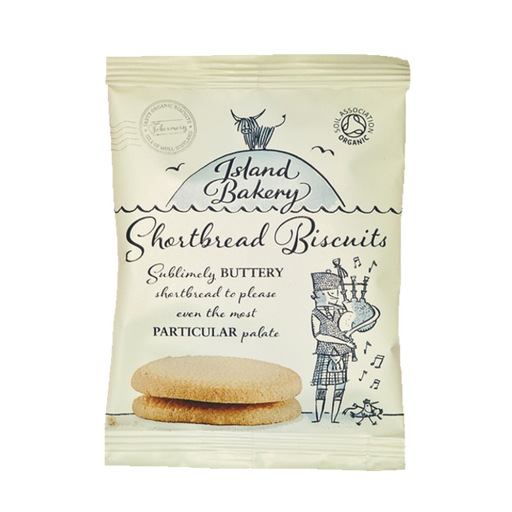
Island Bakery Organic Shortbread 25g
The 25g format is worth considering if you want a defined amount of conventional shortbread. Check the pack's carbohydrate declaration for the amount you eat; organic does not mean reduced sugar.
View on Joybuy
 No image available
Gullon Zero Sugar Free Original Digestives 400g
These are digestives, not shortbread. If the sugar-free description interests you, check total carbohydrate, sweeteners and the serving you intend to eat rather than relying on the description alone.
View on Joybuy
 No image available
Gullon Zero Dark Chocolate Ginger Oaties 285g
This dark chocolate and ginger oat biscuit offers a different flavour from shortbread. Read the exact pack's sugars and total carbohydrate together, and compare them for the portion you would eat.
View on Joybuy
 No image available
Gullon Zero No Added Sugar Cookies and Cream 210g
This cookies-and-cream biscuit is not shortbread. No added sugar is not the same as no carbohydrate, so use the nutrition panel to work out the amount in your portion.
View on Joybuy
 No image available
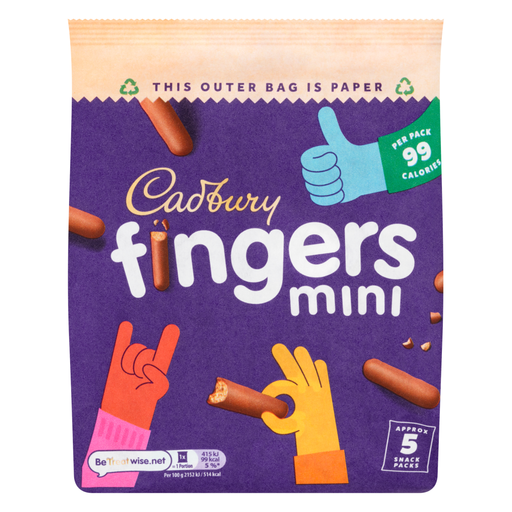
Cadbury Mini Fingers Biscuits 96.5g
These mini chocolate biscuit fingers are a conventional biscuit option, not shortbread or a reduced-sugar product. Their mini format does not define the portion you will eat; check the carbohydrate for your chosen amount.
View on Joybuy
Questions about shortbread and diabetes
Is sugar-free shortbread automatically suitable if I have diabetes?
No. Compare total carbohydrate for the portion you intend to eat as well as sugars. A UK seller lists Gullón Sugar Free Shortbread at less than 0.5 g sugars but 68 g carbohydrate per 100 g; the description alone cannot tell you whether it fits your individual eating plan.
Can I have conventional shortbread occasionally?
Diabetes UK says diabetes does not mean giving up every occasional treat. Check the exact biscuit's label and account for the amount you eat; if you adjust insulin for food, discuss snack decisions with your diabetes team.
What should I check in biscuits made with polyols?
Check the sweeteners and total carbohydrate on the pack. Diabetes UK says counting polyols when adjusting insulin is not straightforward, so ask your diabetes team for advice that applies to you.
How should I store an opened pack of shortcake?
Follow the instructions on that pack rather than applying one biscuit's guidance to another. Waitrose says to keep its Essential Shortcake cool and dry and, once opened, in an airtight container; it states a seven-day period after opening for best quality.


