Hosts comparing sugar figures
If you are putting biscuits out for a group, compare the sugars line per 100g as well as the amount in the serving you intend to offer. Festive packaging and free-from wording do not answer that question.


If reducing sugar is the priority, choose shortbread only after comparing its sugars and total carbohydrate per 100g and per serving; a no-added-sugar label alone does not settle the choice. For a festival table, check sweeteners and allergens on the final pack, and treat gluten-free shortbread as a separate option for guests who need it—not as a lower-sugar substitute.
If you are putting biscuits out for a group, compare the sugars line per 100g as well as the amount in the serving you intend to offer. Festive packaging and free-from wording do not answer that question.
A no-added-sugar biscuit can still contain carbohydrate. Check the total carbohydrate, serving size and named sweetener rather than assuming the label tells you whether it fits a guest’s individual dietary approach.
Keep sugar, gluten and other allergen decisions separate. Check the exact pack for wheat, milk and precautionary nut statements before placing shortbread on a shared table.
Start with the nutrition panel for a like-for-like comparison, then check the intended serving and ingredients. The Food Standards Agency and Ipsos Northern Ireland’s 2024 survey of 611 food consumers concerns general food shopping, not preferences for shortbread.
| Priority | What to check | Your needs |
|---|---|---|
| Nutrition label | Read sugars per 100g to compare biscuits, then check the serving figure. Traffic-light labelling does not show total carbohydrate. | I want to compare sugar figures rather than rely on a front-of-pack cue. In the Food Standards Agency and Ipsos Northern Ireland’s 2024 survey, 49% of the 611 Northern Ireland food consumers interviewed said they actively used traffic-light labels when shopping for food; that is not a shortbread-specific result. |
| Carbohydrate and sweeteners | Check total carbohydrate per 100g and per serving, and identify any sweetener in the ingredients. Diabetes UK notes that polyols contain carbohydrate and calories. | If a guest is monitoring carbohydrate, I need more information than a no-added-sugar claim provides. |
| Allergens | Read the exact pack’s ingredients and highlighted allergens. Check wheat, milk and any precautionary nut statement separately. | I’m serving a mixed group and need to know which biscuits guests should avoid. |
| Gluten-free options | Confirm the product’s gluten-free status, then compare its sugars per 100g independently. Check milk and nut information as well. | A guest may need gluten-free shortbread, but that does not tell me whether it has less sugar. |
| Serving size | Compare per-100g figures before deciding how much to put out. Use the stated or planned serving to understand the amount offered to each guest. | Smaller pieces may suit how I serve the table, but they do not make conventional shortbread a reduced-sugar product. |
No-added-sugar wording does not state a biscuit’s total carbohydrate or show how its sugars compare with another product. Diabetes UK notes that polyol sweeteners contain carbohydrate and calories.
Compare sugars and total carbohydrate per 100g and per intended serving, then read the current pack for the sweetener used.
M&S lists 20.3g sugars per 100g for its Made Without Wheat shortbread rounds. Gluten-free status addresses a different requirement and does not remove the need to check milk or nut information.
Choose a gluten-free product for a guest who needs one, and assess its sugars and other allergen statements separately.
Boots dates the product information for its No Added Sugar Shortbread Fingers to February 2017, so that listing is not a substitute for the pack you will serve.
Check availability and the current packaging before making it the only biscuit option for the festival table.
These examples illustrate different label checks; they are not a ranking or an indication that every product is available on Joybuy.
Boots No Added Sugar Shortbread Fingers are an example of a sweetener-based shortbread.
Dean's Traditional Shortbread Fingers offer a conventional shortbread reference for label comparison.
Walker's Gluten Free Shortbread Rounds address a gluten-free serving requirement.
M&S Made Without Wheat All Butter Shortbread Rounds are another option to assess for gluten-free serving.
These four Joybuy options are digestives, sandwich cookies, oat biscuits and filled cookies—not shortbread. If biscuit type matters for your festival table, keep that distinction in mind while comparing their pack labels.
 No image available
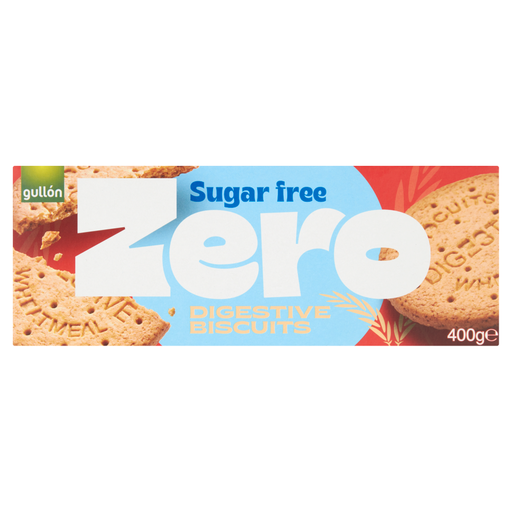
These 400g digestives are a biscuit alternative rather than shortbread. For a mixed festival table, compare the pack’s sugars and total carbohydrate figures and check its ingredients and allergen statements.
 No image available
This 97g pack contains sandwich cookies, not shortbread. Check the current nutrition panel, ingredients and allergens if you are considering them for festival sharing.
 No image available
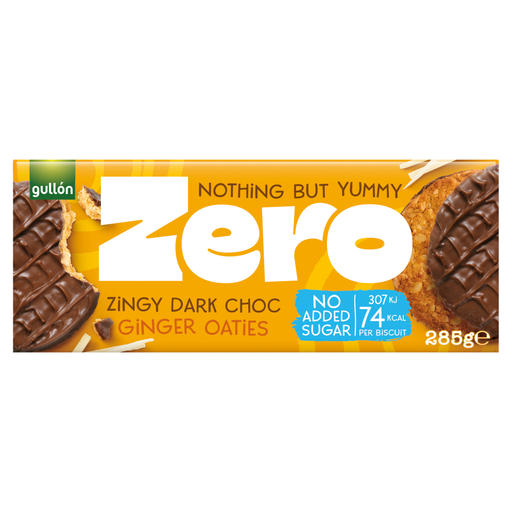
These 285g chocolate-and-ginger oat biscuits offer a different flavour and biscuit type from shortbread. Read the pack’s sugars, total carbohydrate and allergen information before adding them to a shared table.
 No image available
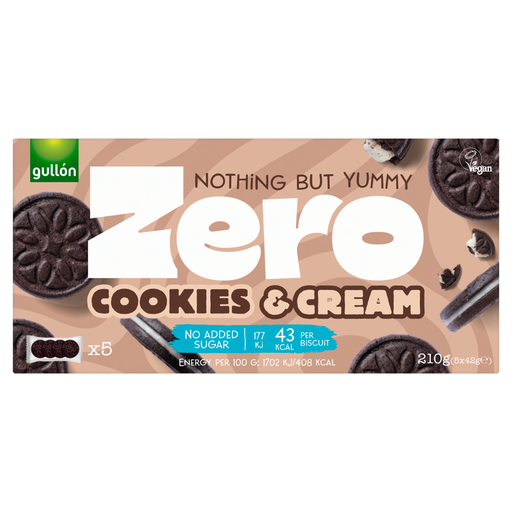
This 210g pack contains filled cookies rather than shortbread. Use the nutrition panel to compare sugars and total carbohydrate, and check the ingredients for sweeteners and allergens.
Not necessarily. M&S lists 20.3g sugars per 100g for its Made Without Wheat shortbread rounds. Compare the sugars line separately from a gluten-free claim, using the same per-100g measure for each biscuit.
Compare sugars and total carbohydrate per 100g and per serving, then read the ingredients for the sweetener used. Diabetes UK notes that polyol sweeteners contain carbohydrate and calories, so no-added-sugar wording does not answer every dietary question.
No. Serving a smaller piece changes the amount offered, not the product’s description. Compare similar biscuits using sugars per 100g, then consider the size of the serving you plan to put out.
Read each exact pack’s ingredients, highlighted allergens and precautionary statements before serving it. Check wheat and milk as well as any nut warning; a gluten-free label does not establish that a biscuit meets a guest’s other allergen needs.