Shoppers comparing fat content
If you want a bar for elevenses with less fat, compare the nutrition panels as well as any reduced-fat wording. The NHS gives 3g of total fat or less per 100g as its low-fat reference for solid foods.


For a reduced-fat elevenses bar, compare total fat and saturated fat per 100g rather than relying on a front-of-pack phrase: a reduced-fat comparison does not establish that a bar is low in fat. Then check the portion you would eat, any fibre or protein information that matters to you, and the exact ingredients and allergens.
If you want a bar for elevenses with less fat, compare the nutrition panels as well as any reduced-fat wording. The NHS gives 3g of total fat or less per 100g as its low-fat reference for solid foods.
You may want to consider fibre or protein alongside fat. Check each figure on the same bar rather than assuming that a protein or fibre claim tells you its fat content.
If you avoid nuts, milk, soya or gluten, read the ingredients and allergen statement for the exact flavour and pack you intend to buy.
Start with comparable nutrition figures, then check what the individual bar contributes and whether its ingredients suit you.
| Priority | What to check | Your needs |
|---|---|---|
| Fat and saturates | Compare total fat and saturated fat per 100g on the exact packs. Check what a reduced-fat claim is comparing; it is not the same as the NHS low-fat reference of 3g total fat or less per 100g for solid foods. | I want to compare bars on the same basis, not assume that reduced-fat wording means the finished bar is low in fat. |
| Portion | Check the bar weight and the nutrition information per bar as well as per 100g. Consider how many bars you would actually eat at elevenses. | A smaller bar may suit the portion I have in mind, but I still want to compare its per-100g figures with other bars. |
| Fibre and protein | Read any fibre or protein figures for the exact variant, then check its total fat and saturates separately. A protein or fibre claim does not answer the reduced-fat question. | Fibre or protein may matter to my choice, but I do not want to overlook the fat figures. |
| Ingredients and allergens | Read the current ingredients, allergen statement and any precautionary wording. Check dietary claims against the exact flavour rather than the brand as a whole. | Before choosing a nut, protein or coated bar, I need to know whether that particular product suits my dietary requirements. |
A comparison with another bar does not tell you whether the product meets an absolute low-fat reference. The NHS reference for solid foods is 3g total fat or less per 100g.
Use the claim as a prompt to inspect the label, then compare total fat and saturated fat per 100g.
Different bar sizes make per-bar figures a poor basis for comparing the products themselves.
Compare per 100g first, then check the amount in the bar you would eat.
Protein, fibre and no-added-sugar wording describes different attributes. Nature Valley UK lists 28.3g fat per 100g for its Protein Peanut & Chocolate bar.
Check the full nutrition panel when any of those attributes matters alongside fat.
Ingredients and allergen information belong to the particular product, not every bar made by the brand.
Read the current pack for the flavour you intend to buy, including any precautionary allergen wording.
These brand examples illustrate different label checks; a claim about one bar does not apply to an entire range.
Alpen Light includes cereal bars with comparative fat wording.
Graze offers oat-based bars, including Oat Boost flapjacks.
Nature Valley has protein and other snack-bar formats to compare.
TREK offers protein flapjacks for shoppers comparing that format.
Nakd offers fruit-and-nut bars, including Bakewell Tart.
Eat Natural has bars made with combinations of nuts, seeds, fruit and chocolate.
These cereal and protein bars offer different formats for elevenses. Compare their current nutrition panels before choosing one for a reduced-fat aim; “Light” or “Protein” in a name does not settle that question.
 No image available
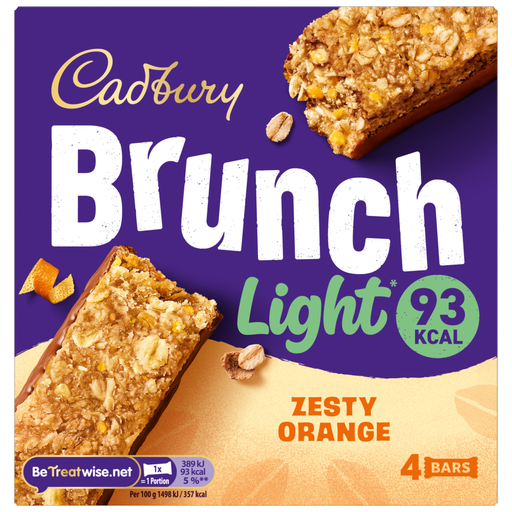
For an orange-flavoured cereal bar at elevenses, this pack contains four bars weighing 104g in total. Check the nutrition panel before treating “Light” as a reduced-fat claim.
 No image available
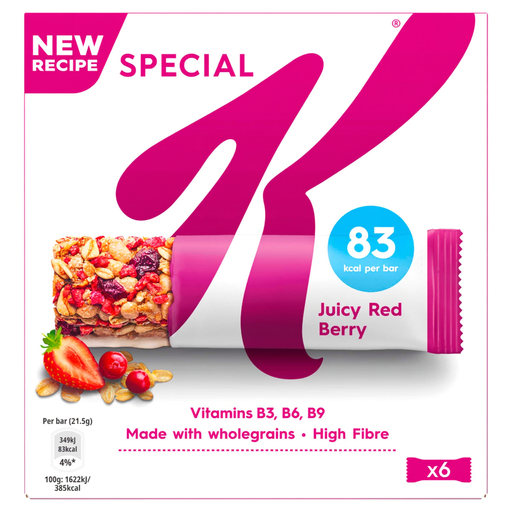
The six individually sized 21.5g bars make the portion straightforward to identify. Compare fat and saturated fat per 100g with any other bar you are considering for elevenses.
 No image available
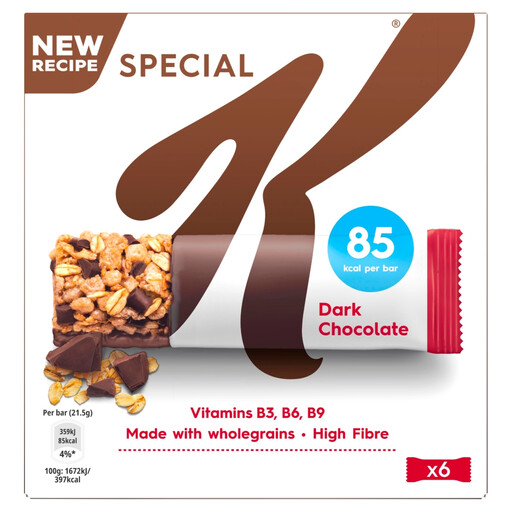
This dark-chocolate variant comes as six 21.5g bars. If fat content drives your elevenses choice, compare its current per-100g figures with the other flavours and bars on your shortlist.
 No image available
Consider this 50g protein-bar format if that is the type of elevenses snack you want. Check total fat and saturates on the pack separately from any protein information.
 No image available
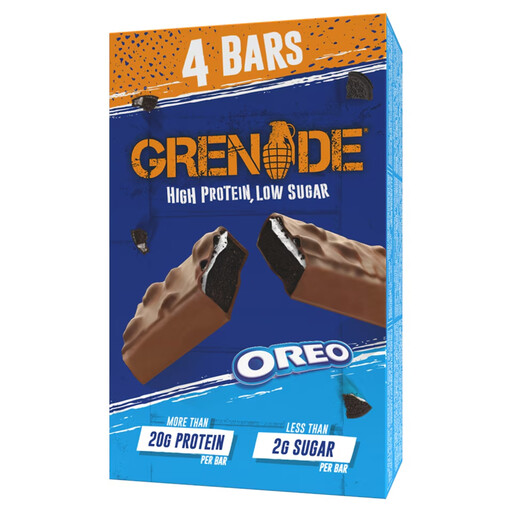
This pack contains four 60g protein bars. “Low Sugar” describes a different attribute from fat, so read the total-fat and saturated-fat figures before choosing it for a reduced-fat goal.
No. “Reduced fat” compares a product with another, while the NHS gives 3g total fat or less per 100g as its low-fat reference for solid foods. Check the bar’s own nutrition panel rather than treating the two descriptions as interchangeable.
Use per 100g to compare bars of different sizes, then check per bar to see what the portion you intend to eat contains.
Yes. Nature Valley UK lists 25.6g protein alongside 28.3g fat and 7.4g saturates per 100g for its Protein Peanut & Chocolate bar. Compare those figures separately when considering that exact product.
Read the current ingredients and allergen statement, including precautionary wording, for the exact bar and flavour. A dietary description or ingredient list for another variant does not establish that this one suits your requirements.