Passengers comparing fat content
A compact bar is useful to carry, but its size alone does not tell you whether it is low in fat. Compare the per-100g panel, then check how much you plan to eat.


For a train-journey snack bar, compare total fat and saturated fat per 100g before judging it by its size, calories or protein claims. The NHS describes 3g or less of total fat per 100g as low; once you have checked the fat panel, look at the portion you will eat, sugars, ingredients and allergens on the exact pack.
A compact bar is useful to carry, but its size alone does not tell you whether it is low in fat. Compare the per-100g panel, then check how much you plan to eat.
If protein or fibre matters to you, check it separately from fat. Nature Valley UK lists 29.5g of fat per 100g for its Protein Salted Caramel Nut bar, despite its protein and fibre content.
Read the ingredients and emphasised allergens on the exact bar you intend to pack, rather than assuming every flavour in a range has the same ingredients.
Start with the per-100g nutrition panel for a consistent comparison, then use the serving information and ingredients to decide whether the bar fits your journey.
| Priority | What to check | Your needs |
|---|---|---|
| Fat content | Compare total fat and saturates per 100g. The NHS describes 3g or less total fat and 1.5g or less saturates per 100g as low; more than 17.5g total fat or 5g saturates per 100g is high. | I want to compare bars on the same basis, rather than mistake a small serving for a low-fat product. |
| Portion and packing | Check the grams and number of bars in a stated serving, as well as whether the pack suits how you will carry and eat it. | For the journey, I need to know how much I am likely to eat, not just what the front of the pack says about one portion. |
| Other nutrition | After comparing fat, read sugars and any protein or fibre values that matter to you. Protein, oats and fruit-and-nut ingredients do not establish low fat. | I may want a particular type of bar, but I do not want that preference to stand in for checking its fat content. |
| Ingredients | Read the current ingredients list and emphasised allergens for the exact flavour. The Food Standards Agency says allergens present in prepacked food must be emphasised in that list. | If I have an allergy or dietary restriction, I need to check the bar I will actually take on the train. |
A small portion can contain fewer grams of fat than a larger one while still having a high amount per 100g.
Compare per-100g total fat and saturates first, then check the values for the number of bars you expect to eat.
These descriptions tell you about a bar’s format or ingredients, not its fat classification. Nature Valley UK lists 18.1g of fat per 100g for Crunchy Oats & Honey and 29.5g per 100g for Protein Salted Caramel Nut; both exceed the NHS high-total-fat guide of more than 17.5g per 100g.
Check the fat panel on the exact variant before using protein, fibre or ingredients as further selection criteria.
Prepacked bars can contain allergens. Nature Valley UK lists peanut, soy, almond and milk ingredients in its Protein Salted Caramel Nut bar.
Read the current ingredients and emphasised allergens for the flavour you intend to buy.
Alpen’s UK site lists several former Alpen and Alpen Light bars as no longer made, so an older product description may not describe a bar you can currently buy.
Confirm the exact product and read its current nutrition panel before choosing it for the journey.
A familiar brand or product-range name is a starting point, not a substitute for the nutrition and ingredient panels on a particular bar.
Graze has individually portioned oat-based bars, including Cocoa Vanilla Oat Boosts.
Nature Valley UK lists Crunchy oat bars alongside other bar formats.
Older Alpen bar and Alpen Light names may appear when looking for a travel snack.
Eat Natural offers fruit-and-nut and protein bar formats; a Tesco listing describes an individually wrapped protein-bar multipack.
Nakd Blueberry Muffin is a fruit-and-nut bar that the brand describes as vegan and made without added sugar.
Trek Protein Flapjack is an oat-based protein snack format.
These cereal, fruit-and-nut and protein bar options suit different snack preferences. Compare the current fat panel and ingredients for each one if reducing fat is your main aim.
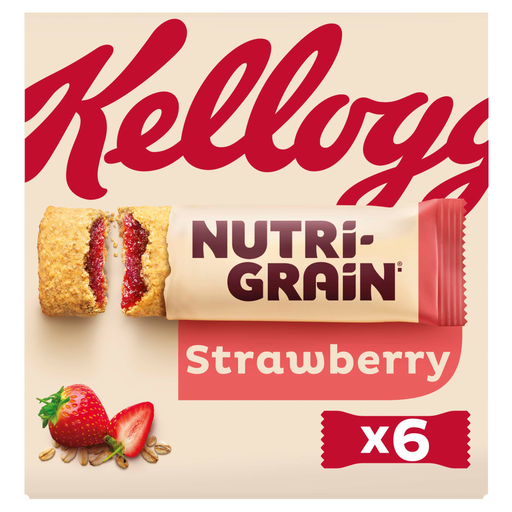 No image available
A six-pack of strawberry cereal bars to consider for the journey. Compare total fat and saturates per 100g on the current pack, and check its ingredients if you have dietary restrictions.
 No image available
This protein-bar multipack is an option if that format interests you for travel. Protein positioning does not establish low fat: compare total fat and saturates per 100g and read the current allergen list.
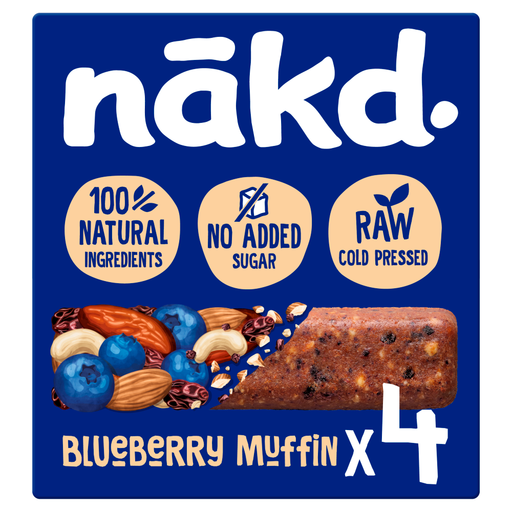 No image available
This four-pack is a fruit-and-nut option. Nakd describes Blueberry Muffin as vegan and made without added sugar; those features do not establish low fat, so check the current fat, sugars and allergen information.
 No image available
A Golden Caramel protein-bar multipack for shoppers considering that snack format. Check total fat, saturates and allergens for this flavour rather than applying the figures from another Grenade bar.
 No image available
This Peanut Butter protein-bar multipack is a distinct flavour choice. If reducing fat is the priority, read its own per-100g fat and saturates values; check the exact ingredients and allergen information before packing it.
Compare total fat per 100g: the NHS describes 3g or less as low and more than 17.5g as high. For saturates, its corresponding figures are 1.5g or less and more than 5g per 100g. Then check the serving you expect to eat.
No. After comparing fat per 100g, read sugars and the stated portion alongside the number of bars you intend to eat. The NHS notes that a manufacturer’s portion may differ from the amount someone actually eats.
No. Nature Valley UK says its Protein Salted Caramel Nut bar provides about 10g protein and 4g fibre per 40g bar, but lists 29.5g total fat and 7.1g saturates per 100g. Check the nutrition panel for the particular protein bar you are considering.
Read the ingredients on the exact current pack. The Food Standards Agency says allergens present in prepacked food must be emphasised in the ingredients list; do not assume that another flavour has the same ingredients.
Check the current product instead. Alpen’s UK site lists several former Alpen and Alpen Light bars as no longer made, so confirm the bar’s identity and nutrition panel rather than relying on an older listing.