
24/7 Customer Support

Free returns

Same-day & Next-day Delivery

Quality Guaranteed

Unlock Your Welcome Offers: FREE Delivery | Up to 80% OFF | Free 30-day JoyPlus trial
Download the APP
Making the switch to refillable bottles is a practical step for many of us, whether it's for staying hydrated on the commute, organising the kitchen or reducing single-use plastic. However, the market is flooded with options, and not all are created equal. A bottle that promises convenience can quickly become a source of frustration—leaking in your bag, being impossible to clean or leaving a strange taste in your water.
As a Joybuy Product Recommendation Officer, my role is to help you see past the marketing claims and focus on the features that deliver genuine, long-term value. This guide will walk you through the common pitfalls and highlight the key specifications to check before you buy, ensuring your next purchase is a useful and lasting one.
A poorly chosen bottle often ends up gathering dust in a cupboard. Here are three common issues that can turn a promising purchase into a disappointment.
Many bottles claim to be leakproof, but the reality can be a damp backpack or a greasy kitchen counter. This often happens when manufacturers use low-quality seals or materials that warp and degrade over time. A lid that seems secure initially can lose its integrity after a few washes or temperature changes, rendering the bottle unreliable for transport.
A bottle is only as good as your ability to keep it clean. Designs with very narrow necks, complex lid mechanisms or non-detachable parts can become breeding grounds for mould and bacteria. This not only creates unpleasant odours and tastes but also poses a hygiene concern. A stylish bottle is of little use if it cannot be cleaned thoroughly and easily.
The material of your bottle has a significant impact on its performance. Using a standard plastic bottle for olive oil can lead to material degradation, while some lower-grade plastics can retain the taste and smell of previous drinks. Conversely, a fragile glass bottle without any protection is an impractical choice for a busy gym. Choosing the right material for your specific need—be it a kitchen dispenser, a gym water bottle or a daily hydrator—is crucial.
To avoid the pitfalls, focus on a few core parameters. These objective details are far more telling than flashy marketing slogans.
The lid is the most critical component for preventing spills. Look for bottles with a screw-top lid that incorporates a food-grade silicone gasket or ring. This small component creates a tight, flexible seal that is far more reliable than a simple plastic-on-plastic closure. For oil dispensers, an "eagle-style" or drip-free spout is a key feature to prevent messy residue.
The right material depends entirely on the bottle's intended use.
Practicality often comes down to simple design choices. A bottle with a wider mouth is significantly easier to fill, whether with ice cubes for your water or oil for your kitchen dispenser. It also makes cleaning with a brush straightforward. For bottles used frequently, consider the ergonomics—is it comfortable to hold and operate with one hand?
Based on these practical criteria, here are a few recommendations from our catalogue, matched to different user needs.
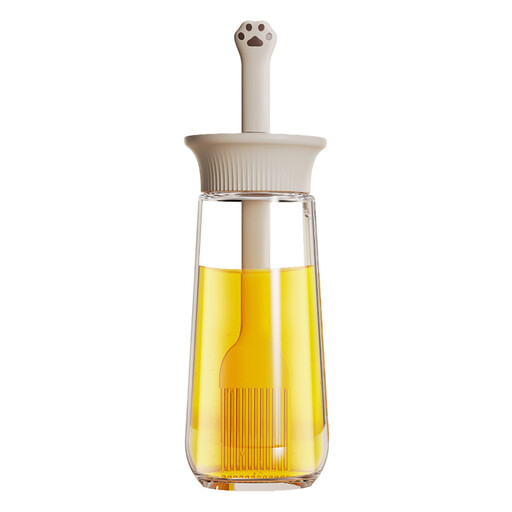
Why This Fits Their Persona: This is for the home cook who values efficiency and a clean workspace. The integrated design means no more searching for a separate basting brush or dealing with messy drips on the hob.
It directly solves the "hygiene trap." The components are fully detachable, allowing for thorough cleaning after use with oil, honey or sauces. The integrated lid also prevents splashes and contamination.
The integrated lid and food-grade silicone brush offer a one-step solution for applying liquids. The transparent soda-lime glass body lets you see content levels at a glance.
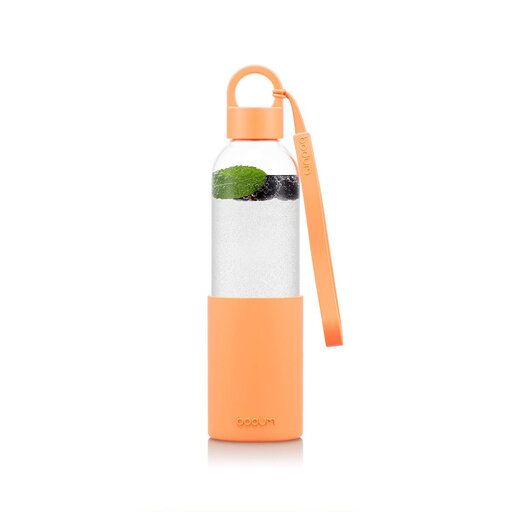
Why This Fits Their Persona: Ideal for the daily commuter or office worker who wants a stylish and functional reusable water bottle. It offers the pure taste of drinking from glass without the worry of fragility during a busy day.
It avoids the "material mismatch" pitfall by using premium borosilicate glass that doesn't stain or retain tastes. The secure screw cap with a silicone gasket and the protective silicone base address both leak and durability concerns.
The removable silicone base protects against accidental drops. Its leakproof bottle design ensures it can be carried in a bag without worry.
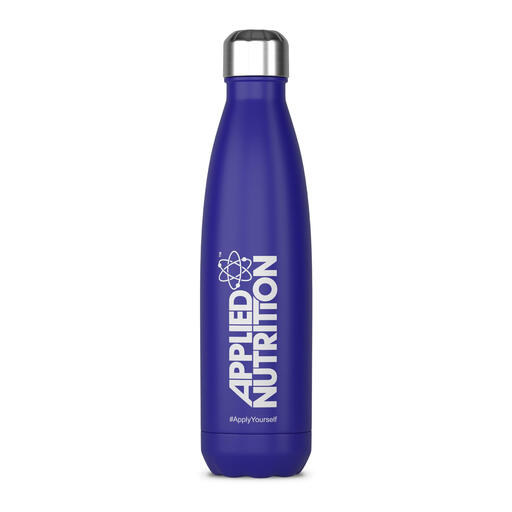
Why This Fits Their Persona: This insulated flask is built for performance. Fitness enthusiasts need a durable bottle that can withstand being knocked around in a gym bag and keep their water cold throughout a long workout.
The high-grade stainless steel construction is a perfect "material match" for this use case, offering durability and temperature control. The secure, leakproof lid is designed specifically for active, on-the-go use.
Its key feature is insulation, keeping drinks cold for up to 24 hours. The construction is corrosion-resistant and BPA-free, ensuring long-term, safe use.
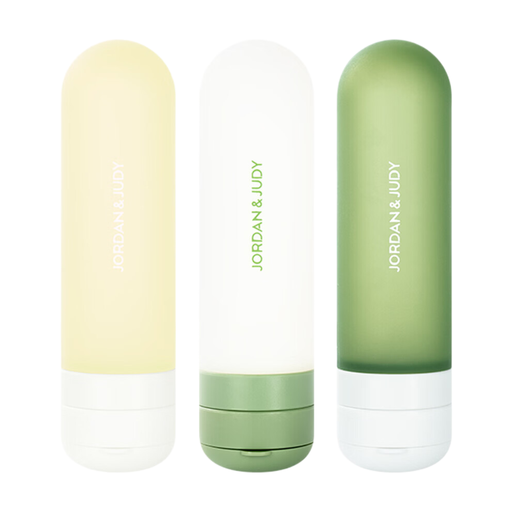
Why This Fits Their Persona: This travel bottle set is for anyone who wants to take their favourite toiletries on holiday without buying expensive, single-use travel-sized products. The 50ml size is compliant with airport liquid restrictions.
It is designed to defeat the "leakproof promise" pitfall with a secure screw-top lid. The soft, squeezable silicone material also solves the problem of trying to get thick lotions out of a rigid plastic bottle.
Made from flexible, food-grade silicone that is easy to squeeze and clean. The reusable design is an excellent way to create **eco-friendly containers** for travel.
We have compiled a complete, real-time list of products that fully satisfy these strict selection criteria and UK safety regulations.
Regular cleaning is key. For daily use, rinse your bottle with hot, soapy water at the end of each day and let it air dry completely with the lid off. For a deeper clean, use a mixture of bicarbonate of soda and water, let it sit for a few hours and then scrub with a bottle brush. Always ensure all parts, including the lid and any seals, are dried thoroughly to prevent mould.
They can be, provided you choose the right type. Look for bottles made from borosilicate glass, which is more resistant to thermal shock and generally more durable than standard glass. Many models, like the Bodum bottle mentioned above, come with a protective silicone sleeve or base that significantly reduces the risk of breakage from minor bumps and drops, making them a great option for the office or daily commute.
BPA (Bisphenol A) is an industrial chemical that has been used to make certain plastics and resins. There have been health concerns about its potential to seep into food or beverages from containers. A "BPA-free" label indicates that the product is made without this chemical, which is a common standard for food-grade plastic, silicone and resin-lined eco-friendly containers intended for consumption.