
24/7 Customer Support

Free returns

Same-day & Next-day Delivery

Quality Guaranteed

Unlock Your Welcome Offers: FREE Delivery | Up to 80% OFF | Free 30-day JoyPlus trial
Download the APP
Running in the UK, whether it's an early morning jog through the park or a late-night dash after work, presents a unique challenge: how to carry your essentials without them bouncing around, while also ensuring you're visible to traffic in low-light conditions. Juggling a phone, keys and a bank card can be distracting, and standard sportswear often lacks the secure, minimalist storage needed.
This guide is designed to help you navigate the options for carrying your necessities safely and comfortably. We'll look at the key features to consider when choosing a waist pack and highlight a few different styles to suit various needs, from the minimalist sprinter to the run-commuter.
Finding the right running belt comes down to balancing visibility, capacity and comfort. Here are a few points to consider before making a choice.
For anyone running at dawn, dusk or night, visibility is paramount. A standard running belt is useful, but a high visibility waist pack with integrated reflective elements is a crucial piece of night running gear. Look for products that feature large reflective surfaces or strips, not just a small logo. The goal is to catch the light from vehicle headlights from multiple angles, making you more noticeable to drivers, cyclists and other pedestrians.
The ideal running belt should feel like it isn't there. A slim running belt is excellent for carrying just a key and a card, but most of us need a reliable running phone holder. Check the pocket dimensions to ensure they can accommodate your specific smartphone model, preferably in a snug compartment that prevents it from moving. An adjustable, elasticated waistband is essential for a secure, bounce-free fit that doesn't chafe or ride up as you move.
The British weather is nothing if not unpredictable. A sudden downpour can be a nuisance for you, but it can be a disaster for your phone or other electronics. A waterproof running pouch, or at least one made from water-resistant materials, provides valuable peace of mind. Look for features like coated zips and fabrics such as PVC, neoprene or treated polyester to keep your valuables dry.
Here are our recommendations, selected to cover a range of needs for runners and active individuals.
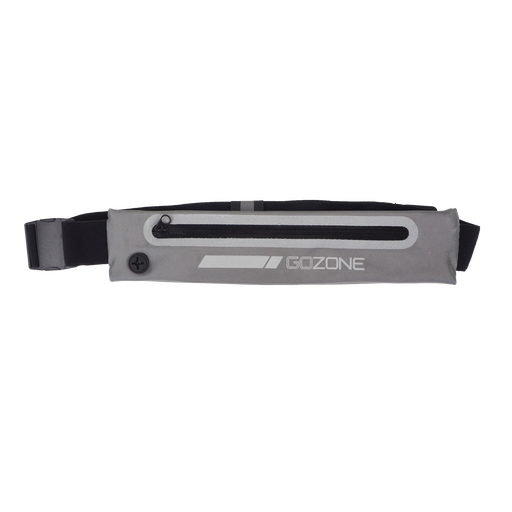
Why It Stands Out: This waist pack prioritises visibility above all else. The entire front surface is made of a reflective material, designed to create a bright, eye-catching effect when hit by light. Its slim, low-profile design sits comfortably against the body, minimising bounce.
Pros:
Who is it for? Night runners, early-morning walkers and cyclists who want a minimalist way to carry essentials while maximising their visibility to traffic.
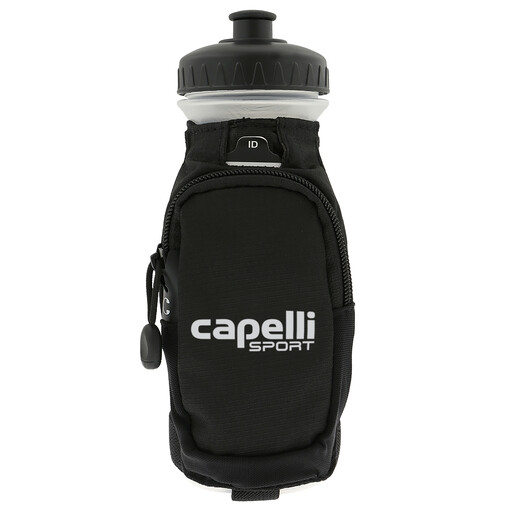
Why It Stands Out: For those who need to stay hydrated on longer runs without carrying a bottle by hand, this pack offers a practical solution. It combines a secure water bottle holder with a zippered pocket for essentials and includes reflective accents for added safety.
Pros:
Who is it for? Distance runners, hikers or anyone exercising for extended periods who needs easy access to water and a place to store their basic items.
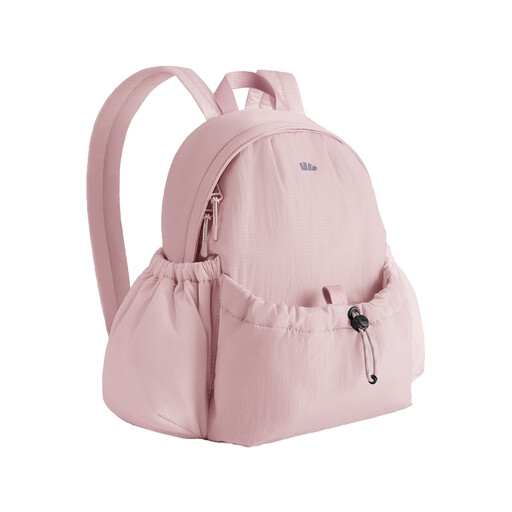
Why It Stands Out: Sometimes, a running belt just isn't enough. For run-commuters or those heading to the gym, this lightweight backpack offers significantly more storage without the bulk of a traditional bag. Its expandable design and weather-resistant fabric make it a versatile choice.
Pros:
Who is it for? Run-commuters, cyclists or individuals who need to carry more than just the basics, such as a tablet, a jacket or work documents, in a lightweight and comfortable pack.
If your daily activities require more capacity than a waist pack can offer, a compact and organised bag might be a better fit. For carrying everything from gym kits to daily work essentials, a well-designed backpack can make all the difference.
Explore our collection of lightweight and versatile Pocket backpack options to find the perfect solution for your needs.
1. Are reflective running belts comfortable to wear? Yes, modern running belts are designed for comfort. They typically use soft, breathable materials and feature adjustable elastic straps to ensure a snug, bounce-free fit. When properly adjusted, you should barely notice you are wearing one.
2. Can a running belt hold a modern, large smartphone? Most contemporary running belts are designed with modern smartphones in mind. Many feature expandable pockets made from stretchy materials like Spandex that can accommodate larger devices. It is always a good idea to check the product specifications for pocket dimensions to ensure it will fit your specific phone model.
3. How much reflectivity is enough for night running gear? There is no single standard, but more is generally better. Look for gear that has reflective elements on the front, back and sides to ensure 360-degree visibility. A belt with a fully reflective surface, like the one featured above, offers excellent visibility from the front or back and should be combined with other reflective elements on your clothing or shoes for comprehensive safety.