Choose regular or decaf instant coffee around each resident’s assessed needs and preferences, rather than making one jar the default for everyone. Keep a decaf option where appropriate, then compare flavour descriptions, serving instructions and jar sizes against the home’s service pattern. Check the delivered pack’s ingredients, allergen information and storage instructions before serving.
Who is this for?
Care home catering buyers
Staff planning a shared drinks cupboard need jars that fit their preparation routine, expected use and residents’ individual preferences. Serving instructions and pack size help with ordering, but neither establishes how much a particular resident should drink.
Teams offering regular and decaf coffee
Where residents have different caffeine preferences or care-plan requirements, clearly identified jars help staff prepare the intended drink. The Care Quality Commission’s guidance for regulated services in England calls for food and drink provision to reflect individual needs and reasonable preferences.
Teams supporting residents with drinking difficulties
Coffee can be one choice within a wider drinks routine. Leeds City Council advises carers to use each person’s care plan or assessment; swallowing concerns call for appropriate specialist input rather than an unassessed change to the drink.
What should you check?
Start with the drink each resident can and wants to have, then choose jars that staff can identify, prepare and use consistently.
| Priority | What to check | Your needs |
|---|
| Regular or decaf |
Check the exact jar’s decaf identification; keep regular and decaf clearly differentiated during storage and preparation. Follow individual care plans and preferences. |
Some residents prefer decaf or have a care-plan reason to choose it; others may prefer regular coffee. I need staff to be able to tell the jars apart. |
| Flavour and strength |
Compare the maker’s smooth, rich or roast descriptions with residents’ preferences. Check the pack’s preparation measure before adjusting a cup. |
If a resident dislikes a stronger-tasting coffee, I want another flavour option rather than assuming the same cup suits everyone. |
| Jar size and servings |
Compare net weight and the stated measure per cup on the same serving basis. NESCAFÉ’s guidance uses 1.8 g with 200 ml water and estimates about 111 mugs from its 200 g jar; that is not a yield figure for other jars. |
I need a jar size that fits how often we serve that coffee, with a repeatable measure for staff preparing it. |
| Ingredients and storage |
Read the delivered pack’s ingredients, allergen declaration, storage directions and best-before date. Recheck after a substitution or packaging change; plain, milky and flavoured products need not have the same ingredients. |
Before a jar goes into service, I want its label checked against residents’ requirements and the home’s food-safety procedures. |
| Place in the drinks routine |
Use each resident’s care plan or assessment for drink choices and any support needed. Leeds City Council lists coffee among fluids, but a coffee offer does not replace an individual hydration plan. |
I want residents to have a coffee choice without relying on coffee alone to meet their drinking needs. |
Common purchasing mistakes
-
Buying one regular jar for everyone
A single choice may not reflect a resident’s preference or assessed requirements. The Care Quality Commission’s guidance for regulated services in England emphasises individual nutritional and hydration needs and reasonable preferences.
Use resident assessments when deciding whether to stock decaf as well as regular coffee, and identify the two clearly where drinks are prepared.
-
Treating coffee service as the whole hydration plan
A requested cup of coffee is only one part of a person’s drinks routine; needs and the support required to drink can differ between residents.
Follow the individual care plan and raise swallowing concerns with the appropriate clinical team rather than changing a drink’s texture without assessment.
-
Assuming a larger jar makes more suitable cups
Jar weight alone does not tell staff the serving measure or how quickly the contents will be used. NESCAFÉ’s estimate of about 111 mugs from 200 g depends on its stated 1.8 g serving with 200 ml water.
Record each jar’s net weight, labelled preparation measure and expected use before planning how many jars to order.
-
Assuming all coffee products have the same ingredients
A plain instant-coffee jar cannot stand in for the ingredient information on a milky, flavoured or otherwise different product. Food Standards Agency guidance addresses allergen control and cross-contamination in food businesses.
Check the physical pack when it arrives, and repeat the ingredient and allergen check before substituting another product.
Brand references for instant coffee jars
These product lines offer different regular, decaf and flavour routes; a brand description is a starting point for checking a particular jar, not a judgement about every resident’s taste.
NESCAFÉ
NESCAFÉ describes Gold Blend as a medium-roast coffee and lists 95 g and 190 g Gold Blend formats. Check whether an ordered jar is regular or decaf rather than applying a description of one variant to another.
- NESCAFÉ’s 1.8 g serving with 200 ml water provides a brand-specific measure for planning preparation.
- Its published serving and caffeine information should not be assumed to apply to every NESCAFÉ jar or preparation.
Kenco
Kenco describes separate Smooth, Rich and Decaf coffees, giving buyers flavour descriptions and a clearly named decaf route to compare with residents’ preferences.
- The distinct names can help staff identify the coffee intended for a particular cup.
- Smooth and Rich are the brand’s flavour descriptions, not a measure of how every resident will perceive the drink. Check the exact pack’s preparation and ingredient details.
Douwe Egberts
The Pure Indulgence 190 g listing describes a freeze-dried, dark-roast instant coffee with a rich flavour profile.
- The named 190 g format gives buyers a pack size to compare with their expected use.
- The retailer’s flavour description does not establish that this jar suits residents who prefer a milder cup or require decaf.
Instant coffee jars on Joybuy
These jars include named decaf options for residents who prefer or require that route, alongside a Kenco Smooth option for comparing flavour preferences. Check each choice against individual care plans and the delivered pack.
 No image available
Kenco Decaff Instant Coffee 100 g
A named decaf option where that matches a resident’s preference or care plan. The Joybuy listing identifies the ingredient as decaffeinated instant coffee and gives a preparation measure of 1–2 teaspoons; check the delivered pack’s label before service.
 No image available
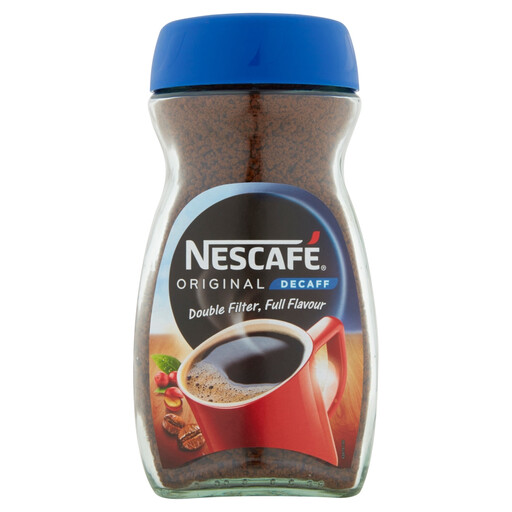
NESCAFÉ Original Decaff Coffee 300 g
A 300 g decaf jar to consider where the home expects to use that format and decaf suits the intended residents. Check its own serving instructions before estimating cups per jar; do not apply guidance for another NESCAFÉ variant automatically.
 No image available
NESCAFÉ Decaf (New Shape) 200 g
A 200 g decaf jar for a drinks cupboard that needs this pack size. Confirm its serving measure, ingredients and allergen declaration on the delivered jar before planning preparation or offering it to a resident.
 No image available
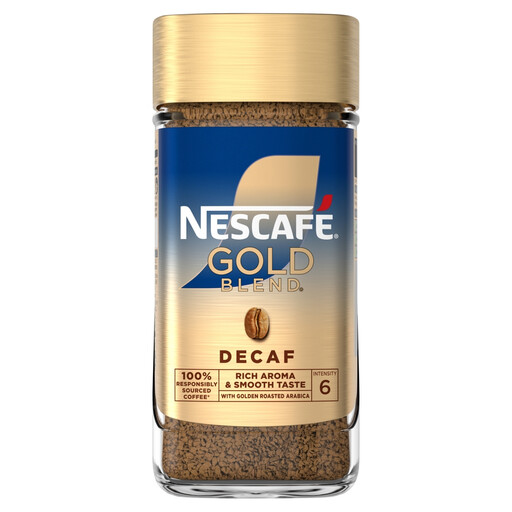
NESCAFÉ Gold Blend Decaf Coffee 190 g
A 190 g Gold Blend variant identified as decaf. Use the specific jar’s label for preparation and ingredient checks: information about regular Gold Blend does not necessarily describe this decaf variant.
 No image available
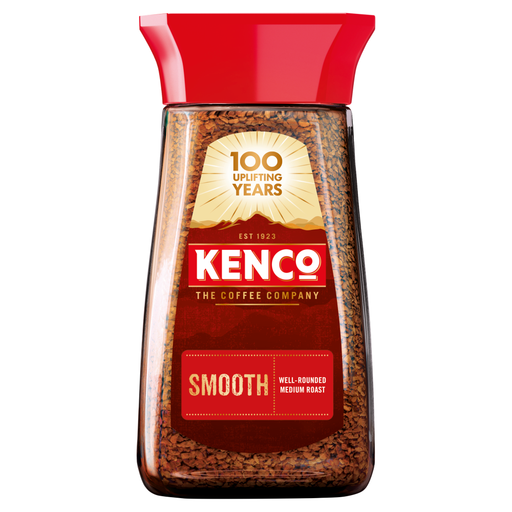
Kenco Smooth Instant Coffee 200 g
A 200 g option for residents who prefer the flavour Kenco describes as smooth. The Joybuy listing gives a measure of 1–2 teaspoons with hot water; check the physical pack’s caffeine information if that affects who will be served.
Questions about care home coffee
Should decaf be the only coffee a care home serves?
No blanket choice follows from the jar type alone. Offer decaf where it fits an individual’s assessment or preference, while retaining suitable choices for other residents; the Care Quality Commission’s guidance for regulated services in England emphasises individual needs and reasonable food-and-drink preferences.
Can coffee be part of a resident’s fluid intake?
Yes. Leeds City Council lists coffee alongside other fluids, but advises carers to refer to the person’s care plan or assessment. A coffee offer does not replace the wider drinks routine or any individual support specified in that plan.
How do you estimate servings from an instant-coffee jar?
Use that product’s stated amount per serving and its net weight, with matching units. NESCAFÉ, for example, states 1.8 g with 200 ml water and estimates about 111 mugs from a 200 g jar; a different measure or cup size changes the calculation.
What should staff check when a new coffee jar arrives?
Check the exact pack’s ingredients, allergen declaration, storage instructions and best-before date before putting it into service. Food Standards Agency guidance calls for allergen control and protection against cross-contamination; do not assume a substituted, milky or flavoured coffee has the same ingredients as a plain jar.


